Greener than a town at these prices has any right to be. Most homes have a park within a short walk. A medieval deer park sits at the top of the town. The Kent Downs rise to the north, beyond the valley. In Sevenoaks, the countryside comes with the house, whether you wanted it or not.
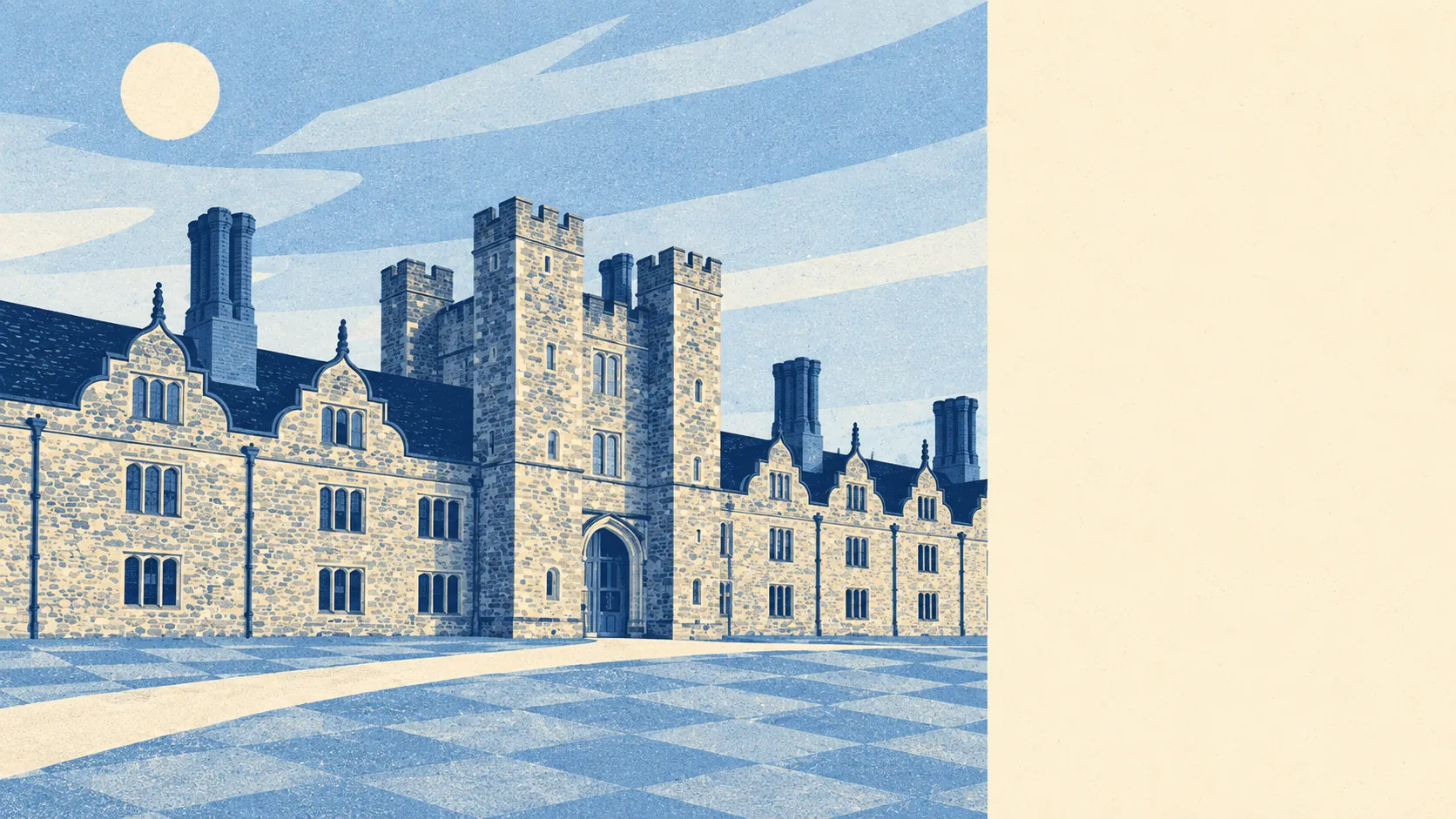
Green space is everywhere. The average home sits about 190 metres from the nearest green space, with about 18 of them within a kilometre. Knole Park is the big one: a medieval deer park with a cricket pitch and a golf course running through it, and a mansion in the middle that the town has spent centuries craning its neck at. The Vine, one of the oldest cricket grounds in England, gives the north end of town its own lawn.
Water is closer than an inland ridge town suggests. The nearest blue space averages about 550 metres from home, with about 13 within a kilometre. Most of that is down in the Darent valley to the north, where old sand and gravel pits have filled into a string of lakes. Mineral extraction built the lakes. Sevenoaks treats them like scenery.
Cycling routes are thinner. The nearest stretch of the National Cycle Network averages about 9,100 metres away, and no postcode counts as close to it. On the Greensand Ridge, that's probably for the best for anyone's knees.
The high street holds its own. The rated-premises data counts 429 shops, 57 pubs and 35 restaurants in the area. Fifty-seven pubs is a generous ratio for a town this well-behaved.
Fine-particle air pollution across the Sevenoaks council area averaged about 7 micrograms per cubic metre in 2024. That is a council-area figure, not a reading from any particular street.
The Kent Downs Area of Outstanding Natural Beauty takes in about 4% of the area, mostly on the northern side towards Dunton Green and the villages under the scarp. Inside it, the landscape is protected, and that protection extends to what you can build.
The character around the town is estate country pressed right up against a commuter town. South of Knole, Riverhill House and its gardens hold the southern edge of Sevenoaks. Chevening sits to the west, its registered park stretching across the fields. Beyond the edges come Ide Hill and Toy's Hill up on the ridge, and Otford and Shoreham down in the Darent valley, where the landscape drops and the villages string out along the river. Otford has a Roman villa, a ruined archbishop's palace and a Pilgrim's Way milestone within a short radius. For a place that sells itself on London trains, a lot of its history points the other way.
Private gardens are generous. The area has about 261,000 square metres of private garden for every 1,000 residents, which fits a housing stock heavy on detached houses and big plots. Many buyers here get a park at the end of the road and a lawn that needs a ride-on mower.
The valuation list counts 1,045 rateable business premises. Shops are the largest category, followed by 269 office premises, which makes sense in a town whose workers went home to work and left the offices standing. These are premises on the rating list, not a guarantee that any given unit is trading today.
Eating out comes with good hygiene scores. Of the 182 rated food premises, about 81% hold the top score, and about 1% sit at the bottom of the scale.
Beyond that corner of the Kent Downs, the official records show no site of special scientific interest and no ancient woodland overlapping the area. The green here is mostly parkland, estate and garden, not official wilderness. It was designed by people with land to spare and the staff to keep it tidy.
The surroundings are one of Sevenoaks's real strengths, and the one the asking price is most openly charging for. The deer park, the valley lakes and the lawns come with the postcode.