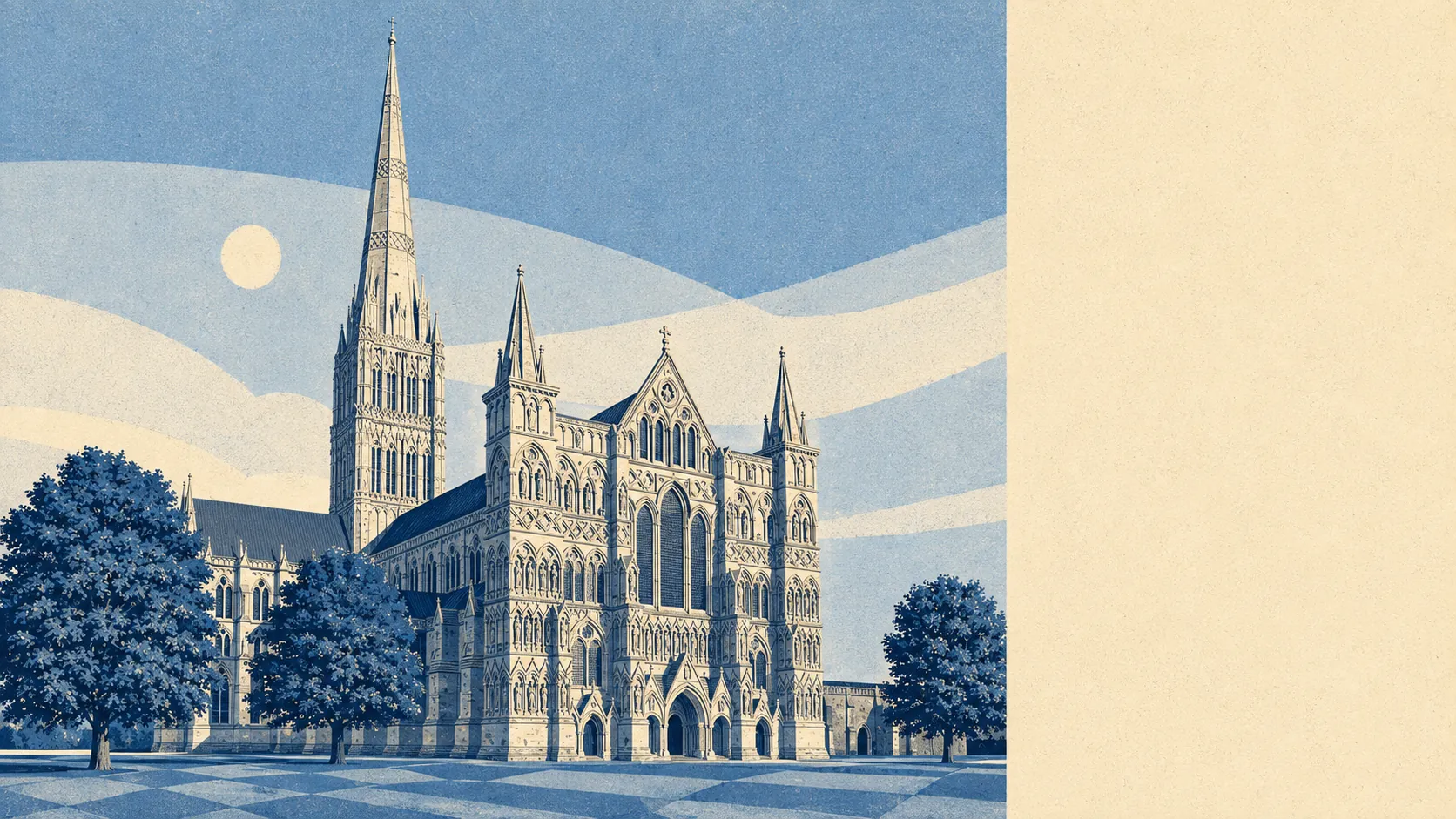
Yes, and the paperwork will be a meaningful part of the project. Close to seven hundred buildings here carry a listing. Four conservation areas cover the old grid and the villages around it. Nine scheduled monuments sit inside the boundary. The city was built in the first place by dismantling the old cathedral up at Old Sarum and carting the stone downhill, which is the last time anyone in Salisbury altered a building at speed.
There are 679 listed buildings in the area: 39 at grade one, 141 at grade two star and 499 at grade two. Listing is not a plaque on the front wall, it covers the whole building, inside and out, and often things attached to it. Changing a window, a door, an internal wall or a roof covering on a listed property needs listed building consent in its own right, separately from any planning permission, and doing the work without it is an offence rather than a paperwork oversight. Grade two is the common tier and the one most buyers will actually meet, but the 180 buildings at grade two star or grade one are held to a standard where the answer to most proposals starts as no and works backwards from there.
Four conservation areas cover parts of the area: Salisbury itself, plus Stratford sub Castle, Netherhampton and Old Sarum Airfield. Designation does not freeze a place, but it does tighten control over demolition, over work to trees, and over how alterations look from the street. It can also mean permitted development rights have been restricted, which is the thing worth checking for the specific address rather than assuming, because the rules that apply two streets away may not be the rules that apply to your roof.
Nine scheduled monuments also sit within the area. That is the strictest protection tier in the system, and it matters mainly if you are buying land adjoining one rather than a house in a terrace, but it is worth knowing which side of that line your garden falls on before you plan anything with foundations.
None of which means the place is fossilised. Between April 2024 and July 2026 there were 2,392 planning applications across the area, 989 of them in the last twelve months. People here extend houses constantly. The volume is the point: this is a city where altering a home is a normal thing to do and a slow thing to do, and those two facts coexist perfectly happily.
One listed building in the area appears on Historic England's Heritage at Risk register. That is a record of a building in poor condition, which can attract grant support for repair and will certainly attract scrutiny over what happens to it next. It is not a warning to anyone buying an ordinary house nearby.
The practical version is this. If the property is unlisted and outside a conservation area, the normal permitted development rules apply and a rear extension or a loft conversion may need nothing more than building regulations approval and a survey of the neighbours' patience. If it is listed, in a conservation area, or both, assume consent is required and budget for a heritage-aware architect rather than the cheapest quote. Check the listing entry and the conservation area boundary for the exact address before you offer, not after, because the answer changes the price you should be paying.
Freedom to alter your own home is the most constrained thing about buying here, and by a wide margin. The compensation is that everything the rules protect is why you wanted to live in Salisbury in the first place.