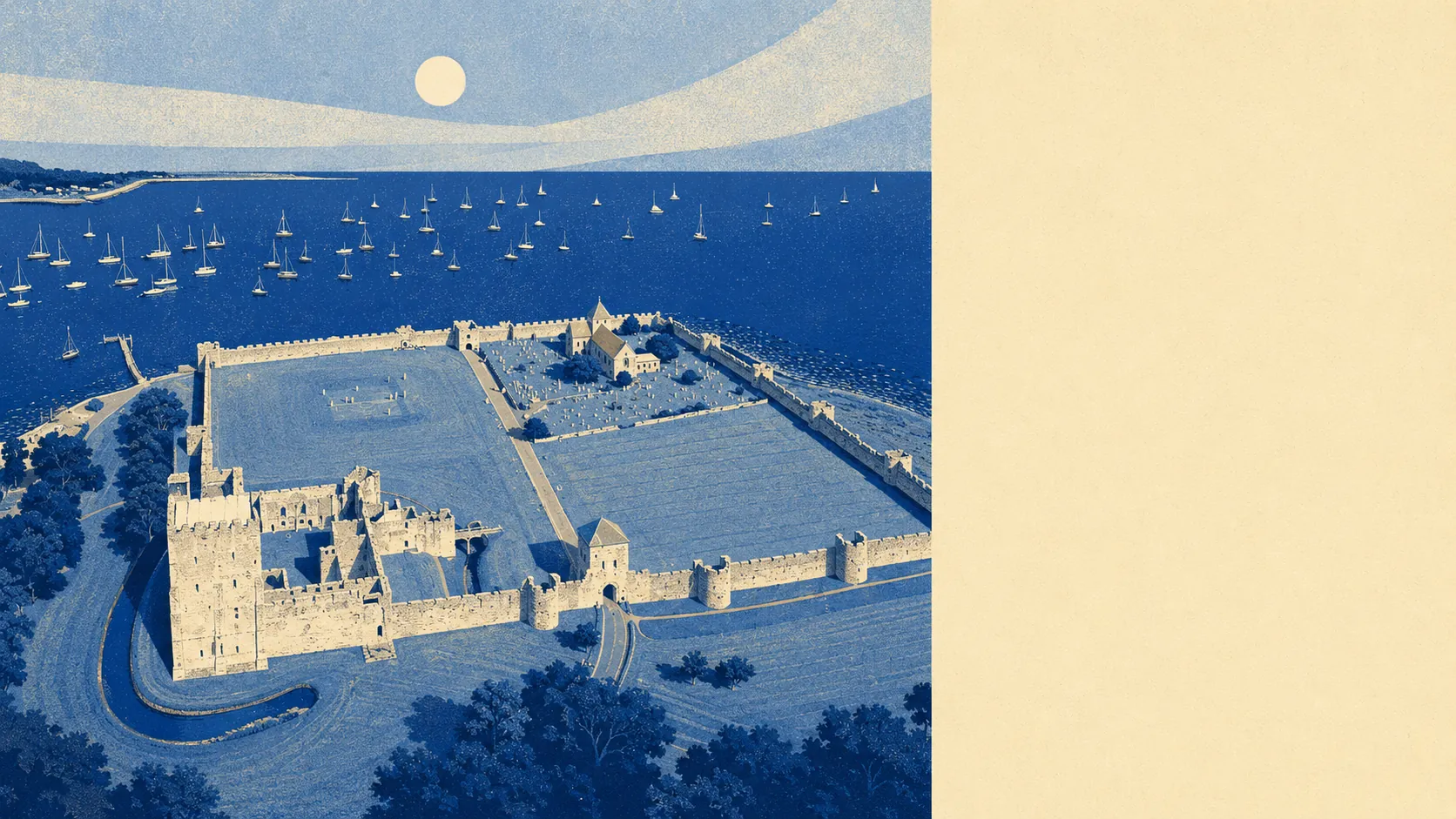
Yes, unless you bought one of the fifty-five. There are 55 listed buildings in the wider footprint. Two at Grade I, fifty-three at Grade II. One conservation area covers the older core of the village. One scheduled monument sits inside the area. Outside those lines, the planning system mostly lets you crack on.
There are 55 listed buildings inside the area covered by this report. Two are at Grade I, the top of the national listing scale, reserved for buildings of major historic interest. Fifty-three are at Grade II, the broader tier that covers most listed buildings in the country. There are no Grade II* properties in the count. Listed-building consent is a separate process from planning permission, and owners of listed buildings need it for any work that affects character or fabric, inside or out. The scope is wider than most first-time owners expect: replacement windows, new chimneys, removing an internal wall, even paint colour in some cases. The two Grade I buildings are largely off-limits for meaningful change without a detailed historic and architectural case behind the application. The Grade II buildings have more room, but the working assumption is that anything visible from the street needs consent, and quite a lot that isn't visible does too.
There is one conservation area in the bounding box used for this report. It covers the older core of the village rather than the post-war suburb that surrounds it. Conservation-area status doesn't ban changes, but it layers extra consents on top of normal planning rules. Demolition needs separate consent. Trees over a certain size are protected. Some permitted-development rights, on things like cladding, side extensions and certain roof alterations, are typically restricted in conservation areas. Whether any of this matters to a particular owner depends entirely on whether the house sits inside the conservation-area line. The line is the line.
On top of listing and conservation status, one scheduled monument sits inside the area. Scheduled monuments are governed by their own consent regime and are largely off-limits for change. Most owners will never come close to that one. The bigger picture is volume. Nearly 400 planning applications were lodged in the village over the past year, which is the rate at which a settled village extends, alters, replaces and tinkers with its housing stock. Most homes here are post-war suburban stock built between 1950 and 1982, governed by normal permitted-development rules with the usual carve-outs for large extensions and major roof works. A loft conversion, a rear single-storey kitchen extension, a porch addition, a new driveway: these are routine applications, and most of them get through.
A middle three on the rating panel for heritage constraint is the honest answer for a place that is heritage-rich in one corner and post-war suburban everywhere else. If your house is on the listed register or inside the conservation-area line, the planning system will shape the renovation. If it is not, the planning system will mostly leave you to get on with it.