Yes, if you want Cornwall in February and not just the fortnight version of it. About half the homes here are owned and about half are rented. The typical resident is fifty. A third of households run no car at all, because they do not need one. Penzance is a town with a job rather than a view with a town attached, and that single fact sorts the people who thrive here from the people who last eighteen months.
The housing stock is terraces and flats, in that order. Around 40 percent of every dwelling on the council-tax valuation list is terraced and about 32 percent is a flat, with bungalows and semis at roughly 10 percent each and detached houses at 6 percent. Nearly 44 percent of it went up before 1930, which is the number that actually governs your life here: thick walls, sash windows, and a heating bill with opinions. The energy certificates back that up, with about 40 percent of certificated property in bands A to C, roughly 37 percent sitting in band D, and 23 percent in band E or worse. Two thirds of homes run on mains gas. Around 15 percent are heated by electricity alone, and an electric-only Victorian terrace is a running-cost fact you want before the viewing rather than in January.
On price, the Land Registry's last twelve months, to May 2026, put the typical sale at about £262,500 across 146 transactions. Terraced houses came in around £255,000, semis about £304,000, detached about £385,000, and flats about £165,000, which is the widest gap in the whole answer and the reason two people can describe the same town as cheap and unaffordable in the same conversation. Council tax leans low. Band B is the most common band and roughly 69 percent of dwellings sit in band A or B, so the annual bill is one of the few things in Cornwall that will not frighten you.
Renting is harder to pin to the town itself. The typical private rent across the Cornwall area runs at about £1,000 a month, up roughly 5 percent over the year to April 2026, and that is a county-wide average covering everywhere from Bude to the far west rather than a reading of what Penzance asks. Treat it as the shape of the market, not a quote.
Safety is where the numbers stop being polite. Recorded crime ran at about 132 offences per 1,000 residents in the twelve months to May 2026, roughly 79 percent above the Cornwall average of 74. That is a published rate on its own population base, not a back-of-envelope sum. The mix is the usual town-centre pattern: violence and sexual offences at about 38 percent of recorded crime, anti-social behaviour at 19 percent, criminal damage and arson at 11 percent, shoplifting at 9 percent. Worth knowing too that Devon and Cornwall Police charged about 8 percent of recorded crimes over the same period against roughly 12 percent nationally, and ranked forty-second of forty-two forces on that measure. The offences are recorded. What happens next is a separate question.
Getting about is a walking-and-driving proposition. About 47 percent of working residents drive, 21 percent walk, 20 percent work from home, 2 percent take the bus and 1 percent take the train. Penzance Rail Station is a main-line terminus and almost nobody here commutes on it, which tells you the line exists for leaving rather than for working. Buses are better than the reputation suggests, with 125 stops in the area, an average of 43 weekday departures per stop, and weekend service at 96 percent of them. The everyday errands are short: about five minutes on foot to a food shop, thirteen to the town centre, thirteen to a doctor's surgery, and around ten minutes by car to the main employment centre against roughly 45 by public transport, on Department for Transport modelling from 2019 that has aged faster on the bus times than the car ones. Broadband is genuinely strong, with gigabit available to about 81 percent of premises, superfast to 87 percent, and nothing at all below the minimum universal service level.
The sea gives and the sea takes. About 15 percent of postcodes carry a high rating on at least one flood indicator including surface water, while roughly 6 percent sit inside the Environment Agency's river-and-sea flood zone 3, rising to about 9 percent once the climate allowance is applied. Three flood events are on the record, the most recent in 2004 from the sea. More than half of postcodes are within 500 metres of the coast and the shoreline policy across the area is to hold the line. Against that, access to open space is excellent: green space averages about 127 metres from the doorstep with roughly 34 sites within a kilometre, and water is about 238 metres away, with Morrab Gardens and Trengwainton in reach. One thing to put on the survey list: the whole area sits in the highest radon band, with every postcode in band 3 or above.
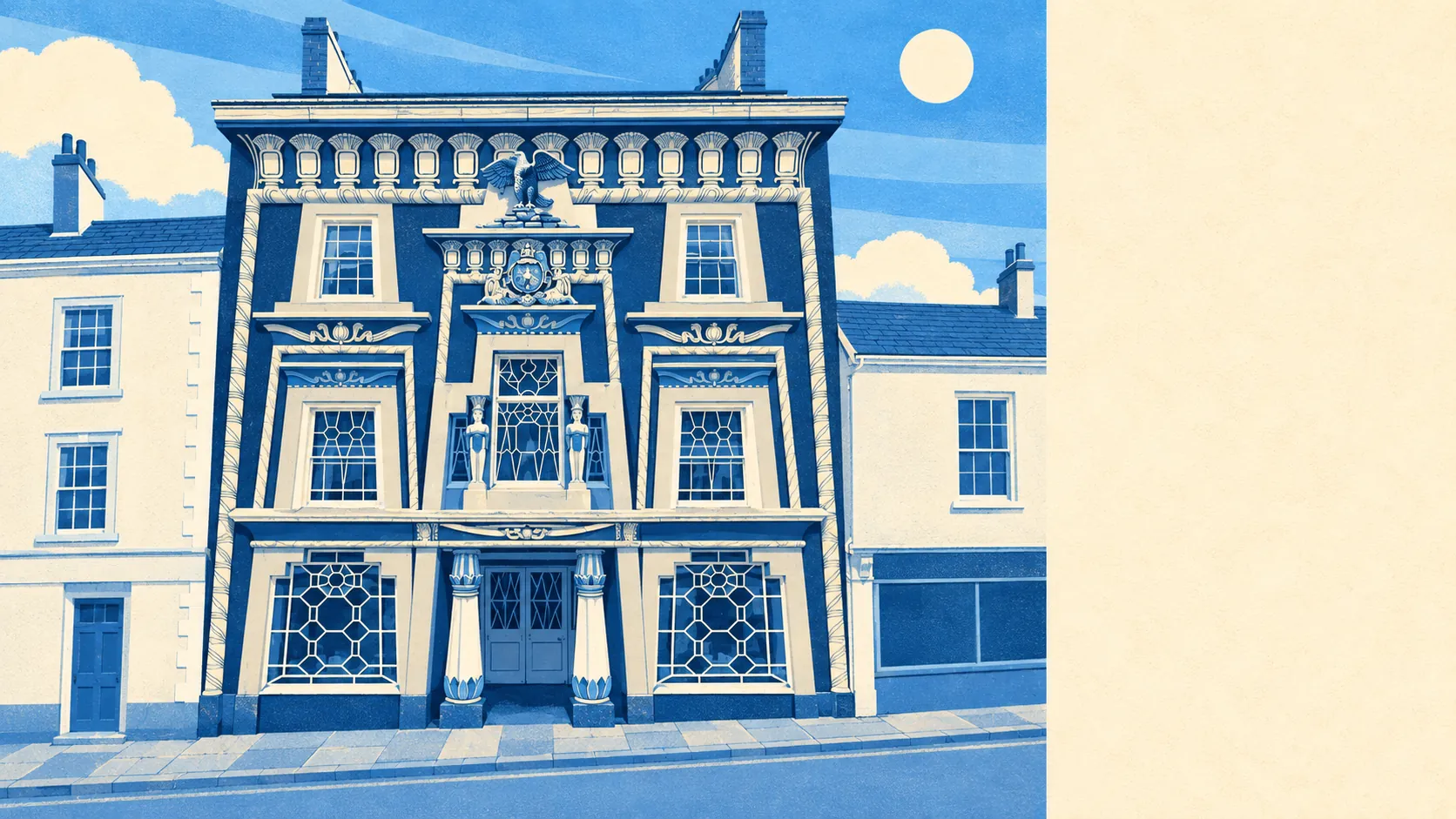
Heritage is dense. There are 239 listed buildings, including 3 at Grade I and 14 at Grade II star, two conservation areas covering Penzance and Madron Churchtown, six scheduled monuments and one entry on the Heritage at Risk register. In practice that means the window you want, the render you want and the solar panels you want become a conversation with the planning department rather than a weekend. Buy the granite, accept the paperwork.
As for who lives here, about 52 percent of households own, the median age is 50, and household income runs at roughly £38,900 gross for the financial year to March 2023. This page also covers Crowlas, Ludgvan, Trevarrack, St Just and Pendeen, which stretch the character from the edge of the bay out to the old mining ground of the far west, where the housing gets cheaper and the wind gets an opinion.
It suits people who want a real town rather than a seasonal one: working-from-home types who need broadband and a walk to the harbour, downsizers who want a low council tax band and a short walk to a doctor, and anyone who would rather have a fish market than a farm shop.
It does not suit rail commuters, buyers who want a modern low-bills house, or anyone who reads a crime rate and then argues with it. Those people should look further up the line.
Penzance is an average place to live in the way an honest person is average company: the good bits are very good and nothing is hidden. Its real strength is what surrounds it, with open space and water a few minutes from almost every front door. The weak spot is safety, where the recorded crime rate sits well above the county norm and does not look like a rounding error. Buy the terrace, learn which streets you like after dark, and the rest of it is Cornwall at a price the rest of Cornwall stopped offering.