Not very, unless you count the car on the drive. Hardly anyone commutes by train. Most people who work outside the home drive. Almost half of households run more than one car. Broadband is better than the buses, which is the right way round for a town where a quarter of workers never leave the house.
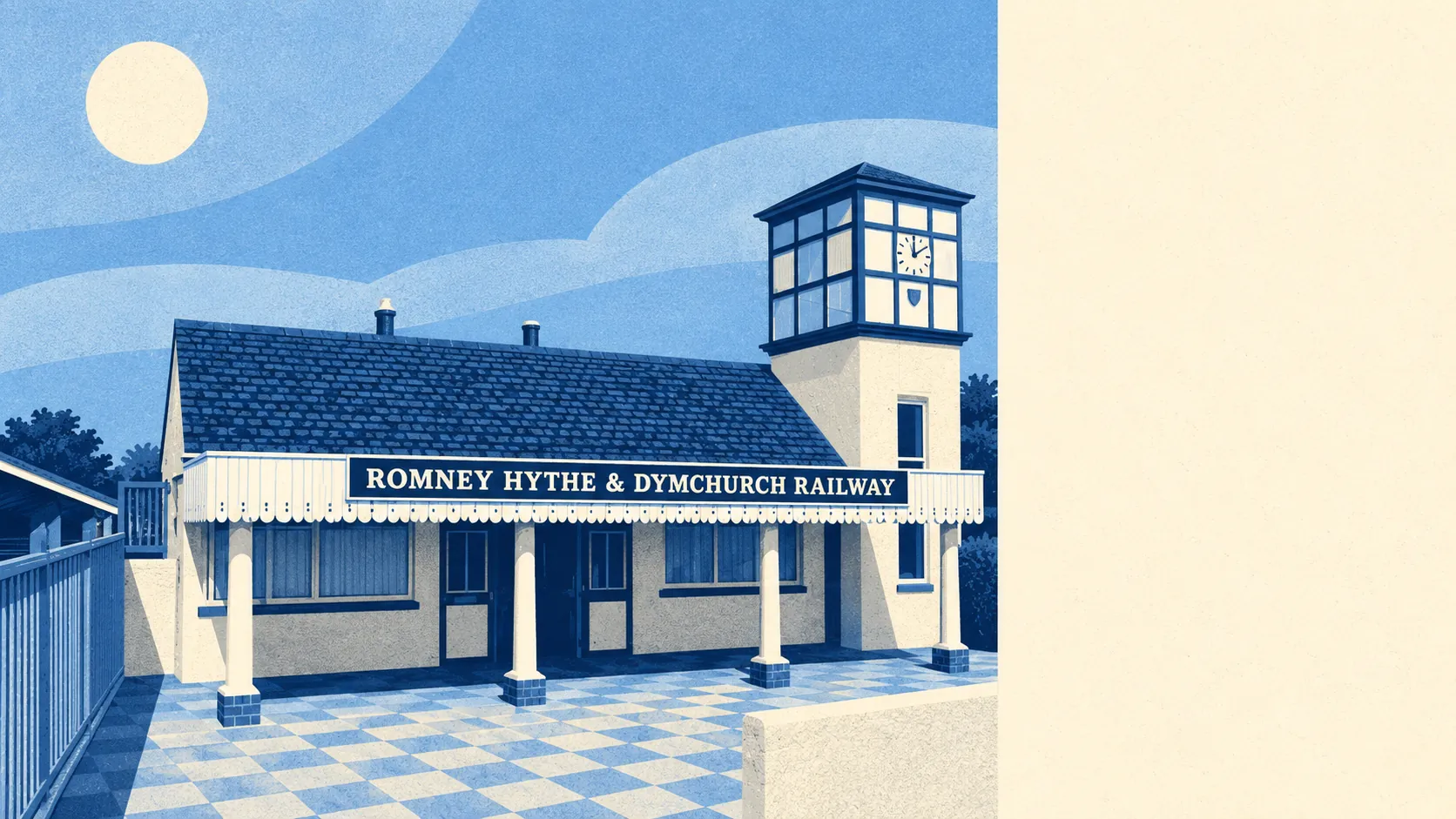
There is no mainline station in the area to name: the town's own railway station closed decades ago, and its absence shows in the commuting figures. About 1% of workers travel by train. The area has 59 bus stops, and about 2% of workers use a bus to get to work. Public transport exists here in the sense that a spare key exists: useful in an emergency, not how anyone plans the week.
The real commute mix tells the story plainly. About 60% of workers drive to work and 24% work from home, which between them account for most of the working population's mornings. Around 7% walk and 1% cycle. Only 13% of households have no car, and 46% have two or more. A second car here is not a luxury; it is how the second adult gets anywhere.
The Department for Transport's journey-time statistics, modelled for the area as a whole rather than from any particular front door, put the nearest town centre 28 minutes away by car, 47 by public transport, 66 by bike and 119 on foot. That last figure is the finding. Nobody walks to the nearest proper town centre from here; they drive, or they don't go.
Broadband is the one link that works for everyone. Gigabit-capable connections reach 76% of premises and superfast 90%, and no premises fall below the minimum service level the law guarantees. For the home-working quarter of the workforce, that matters more than any timetable.
Mobile coverage is complete: 4G or 5G reaches every postcode from at least one operator and 99% from all of them.
The area has three public charge points with four connectors between them, and none of them is rapid. Charging an electric car here is something you do overnight at home or plan around, not something you top up while doing the shopping.
For a typical working week, that adds up to a car-based life. The figures describe a place where most journeys start with a key, and where the fastest way to a meeting is a video call.
The same Department for Transport statistics give the everyday journeys. A GP is about 10 minutes by car, 15 by public transport and 36 on foot. A food store is about seven minutes by car and 14 on foot, so the weekly shop is the one errand a walker can manage. The nearest hospital is about 43 minutes by car and 95 by public transport, and employment centres about 28 minutes by car and 40 by public transport. The public transport times are modelled from 2019 services, and services have been cut since, so treat them more cautiously than the car and walking times. Anyone without a car should time the hospital trip before deciding anything else.
The buses themselves are better than the commuting share suggests. Each stop averages 44 scheduled departures on a weekday and about 2.5 in the peak hour, and 96% of stops have some weekend service. That is a usable local service for shopping and appointments; it is not a commute, and the 2% who use it to get to work are the proof.
Road noise is a quieter issue than the car dependence might suggest, though not absent. About 35% of postcodes sit near or above 65 decibels, the level at which official noise mapping treats road noise as significant, and the loudest band recorded reaches 70 decibels. That describes the busier roads through the area, not how any particular house will sound. There is no significant rail noise, for the obvious reason.
New Romney is poorly connected by public transport and adequately connected by road and broadband, which lands it in the middling range overall. Buy here with a car and a good router, and the isolation stops being a problem and starts being the point.