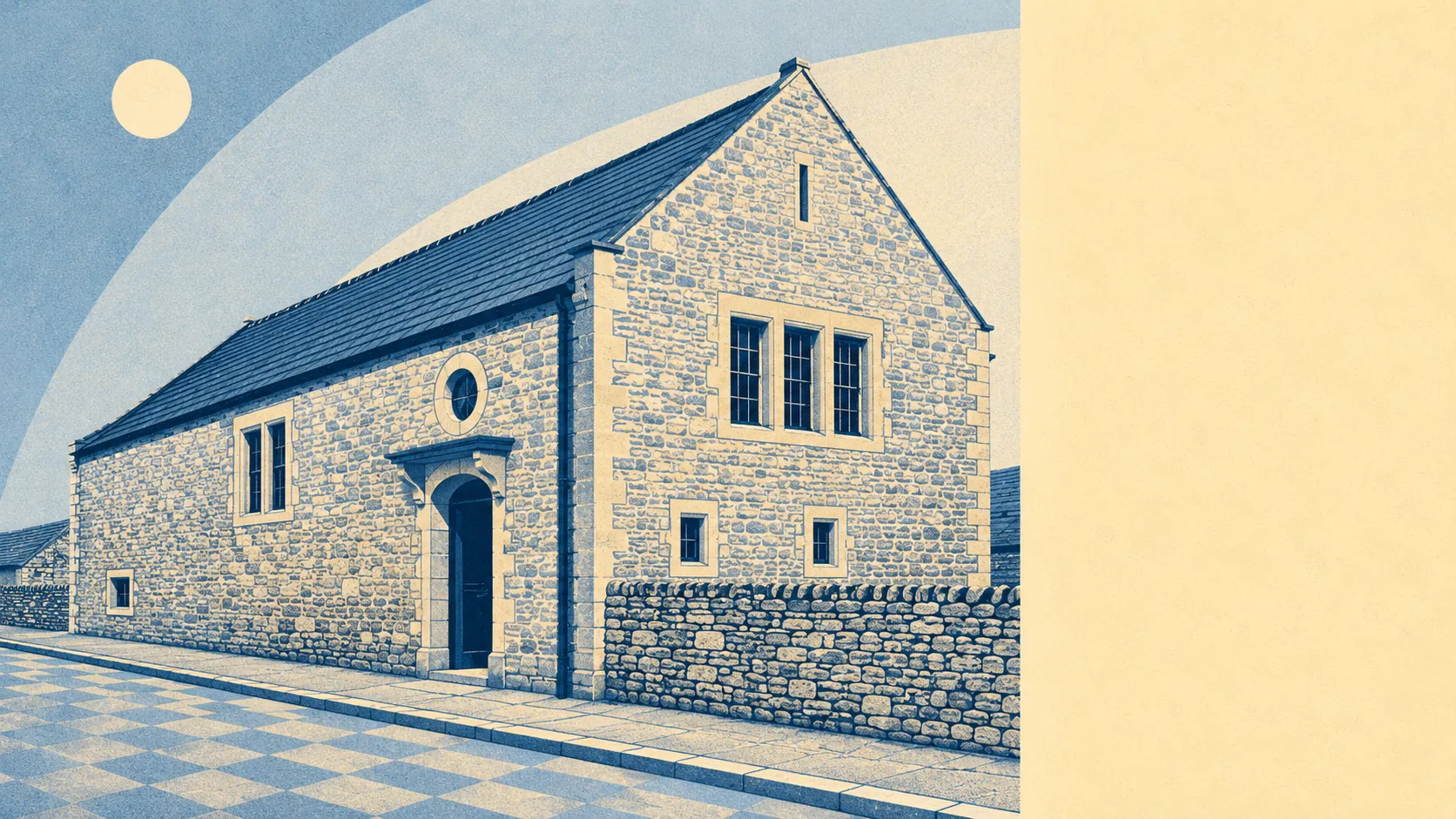
A house in Merriott costs about £245,000, which by Somerset standards barely registers as a decision. Terraces do most of the trading. Semis cost more and change hands rarely. Council tax sits low. The price of getting in is the least dramatic thing about this village, which is either the appeal or the warning, depending on why you are looking.
The Land Registry logged 21 sales in the year to May 2026, at a median of £245,000. Terraces accounted for 13 of them at a median of £225,000, and the five semi-detached sales came in at £280,000. Twenty-one sales across a whole year is not a market so much as a noticeboard, and it means the medians move on small numbers. Anyone treating them as precision is misreading what a village of this size produces.
The published house price index for the area put the average at about £280,800 as of May 2026, up around 3% over the preceding twelve months, with flats alone down about 1% over the same period. Three percent is three percent. It is a number that keeps pace with the wallpaper, not one that changes anybody's plans, and the flat figure is small enough that reading drama into it would be a mistake.
Council tax clusters in band C, with about 32% of dwellings sitting in bands A or B. A band D bill runs to roughly £2,560 a year, which is the figure most people can hold against their current one and get an honest comparison.
Rented figures come at county grain rather than village grain. The typical private rent across the Somerset area is about £990 a month, and that is a mean from the national rent index rather than a median of advertised listings. By size across the same area, a one-bedroom runs about £670 a month, a two-bedroom about £890, a three-bedroom about £1,100, and four bedrooms or more about £1,580. Merriott itself has too little rented stock to publish separately, so treat those as the county's shape.
On affordability, the modelled median gross household income for the area was about £51,900 in the financial year to March 2023, before tax, which is a dated figure rather than a current one. Set that against a £245,000 median and the sums work for a two-income household without the sort of stretch that turns a mortgage application into a personality test. A single income buying alone here has a harder conversation, but the harder conversation is still a conversation, which is more than most of the South West manages.
Measured by floor area, the median works out at about £3,000 a square metre across the sales that could be matched to an energy certificate, which is roughly 91% of them. The typical property behind that figure is around 77 square metres. That is a real house with real rooms, and the number is worth knowing because it is the one thing that survives comparison between a period terrace and a bungalow with an extension.
The bedroom mix from the 2021 Census explains why the market feels narrow. About 43% of homes have three bedrooms and 25% have four or more, leaving 24% at two bedrooms and 7% at one. Merriott is built for families and for people who used to have families living with them. A one-bedroom home here is close to a rumour, so anyone downsizing hard should expect to wait, or to buy a three-bed and use one room for the ironing board like everybody else.
What houses cost is where this village genuinely wins. The prices are among the strongest arguments Merriott has, and they are the argument that survives even after the bus timetable has been read out loud.