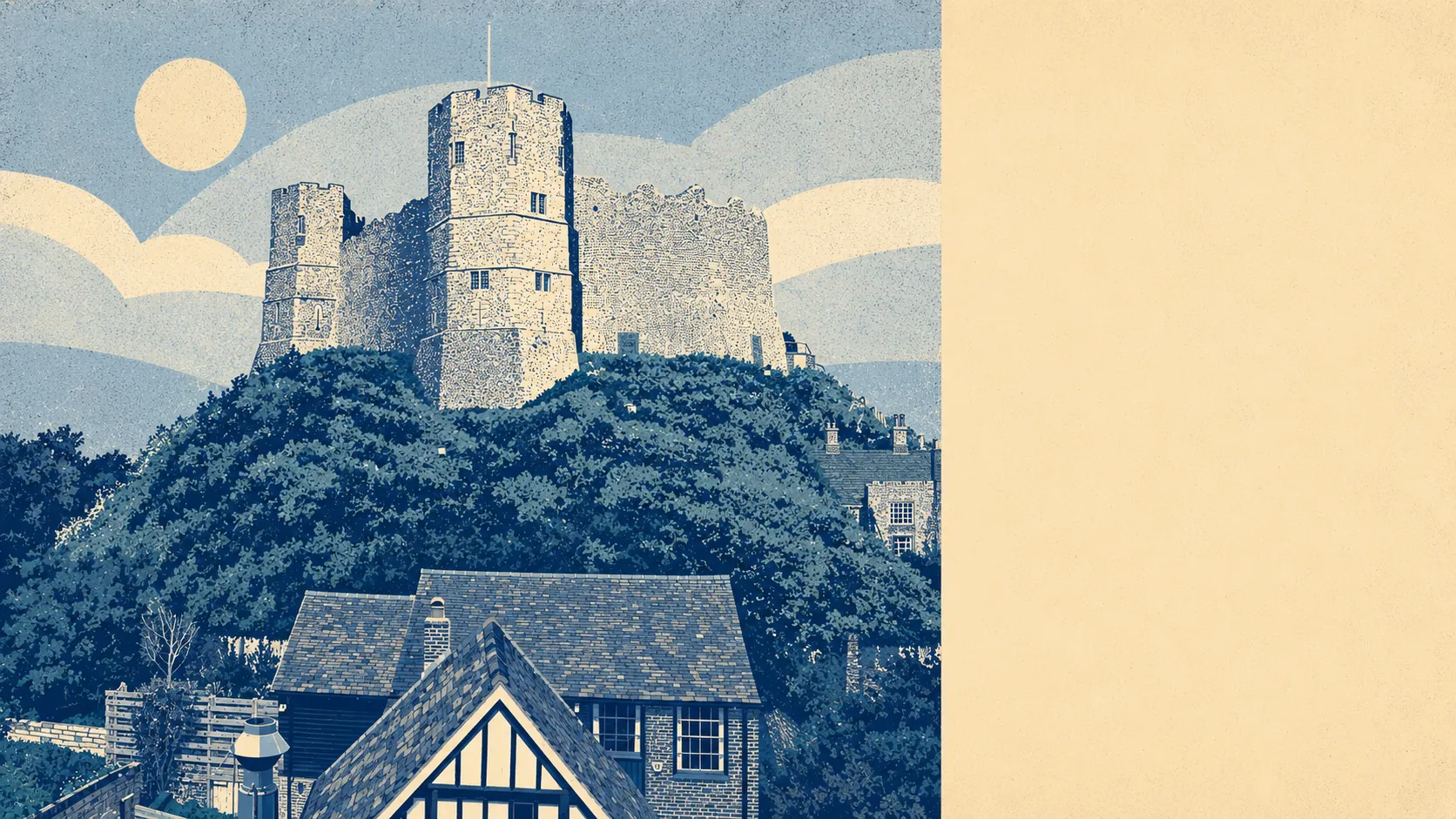
You can extend a house in Lewes, slowly. There are 1,603 listed buildings spread across the area. Thirty-nine conservation areas cover the town and the surrounding parishes. Another 129 scheduled monuments cap what is left. Yes you can extend. No you cannot do what you want.
The listed-building picture explains most of the constraint. Across the area there are around 38 buildings at Grade I, the most-protected category, plus another 76 at Grade II-starred and approximately 1,489 at the standard Grade II. That is a total of about 1,603 listed buildings, and it is the largest single number on this report. A listed building cannot be altered externally without listed-building consent, and most internal alterations to a building of historic character will also need consent. The threshold is whether the change would affect the character or appearance of the building. In practice that means any change to windows, doors, roof, rendering, internal walls in older parts, fireplaces, staircases, or floor structure. The planning officer handling the application will be working off a database of survey notes that go back further than most owners realise, and they will know what was original even when the owner does not.
The conservation-area picture catches the rest. There are thirty-nine conservation areas across the post-towns and the surrounding parishes. Lewes itself is a conservation area, and so are Alfriston, Firle, Ringmer, Alciston, Barcombe, Ovingdean, Southease, Streat and the parishes around them. Inside a conservation area the standard permitted-development rights for things like rear extensions, new windows, cladding changes and demolition of outbuildings are significantly tightened. Buildings within a conservation area but not themselves listed still need consent for many of the changes a homeowner elsewhere would do without thought. The principle is the same as the listed-building rule, only it is applied to the streetscape rather than the individual building, which means the council can refuse a side extension because of what it would do to the view from the road.
What this means in practice is that the buyer who arrives planning to add a glazed kitchen extension and convert the loft is going to be entering a conversation rather than launching a project. Permitted development rights, the standard set of changes a homeowner can make without applying, exist in the modern parts of the post-towns and on some of the post-war estates, but most of the town centre, the surrounding parishes, and anything within sight of a listed building is going to need a planning application, a conservation officer, and often a heritage statement justifying the change. The process is workable. It is not quick. It is not cheap. It does not assume the owner gets what they want.
This report grades the freedom to extend or alter a home at one out of five, the lowest grade on the report. The town chose its constraints a long time ago, and they are not negotiable in the way buyers occasionally hope they will be. Lewes is a place to live in, not a place to remodel.