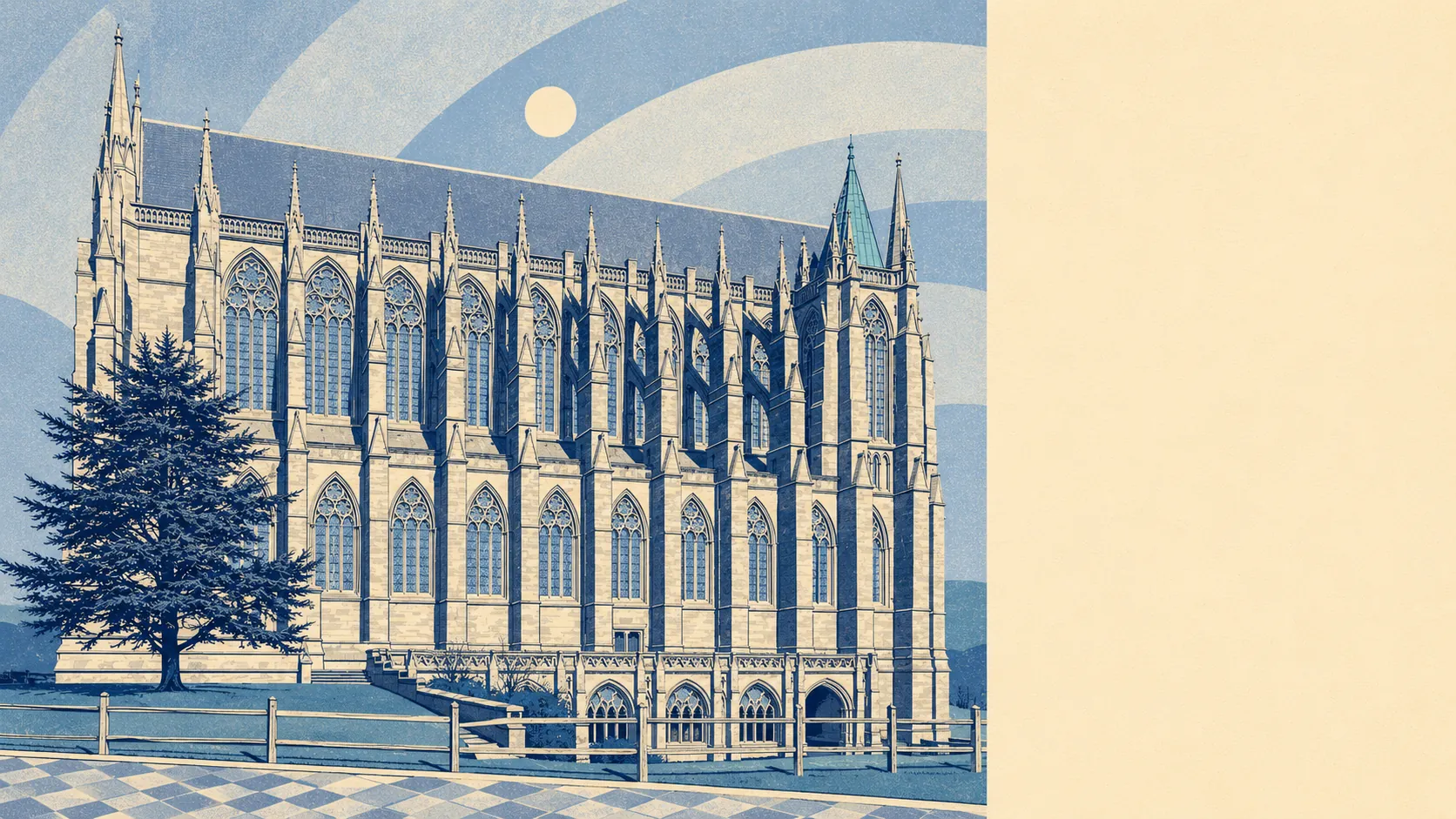
For most homes in Lancing, yes, extending is a fairly ordinary undertaking rather than a heritage minefield. The great bulk of the housing here went up in the decades after the war, plain and unlisted, exactly the sort of stock that takes a rear extension or a loft conversion without a conservation officer peering over your shoulder. The area carries only a modest tally of listed buildings and a single conservation area, and both are concentrated in pockets rather than smeared across every street. If your home is one of the many sitting outside those lines, your main obstacle is the standard planning process, not a special-protection regime. If it sits inside them, the rules change sharply and quickly.
On listed buildings, the area holds around forty-four in total. Most of those, some three dozen, carry the lowest grade of listing, with only a small handful in the higher grades kept back for the genuinely exceptional. Listing is the serious end of the scale. It applies to the whole building inside and out, and it means a separate listed-building consent is needed for changes that would ordinarily be nobody's business but yours, from the windows to internal walls to whatever you had planned for the roof. Owning one is a privilege with a paperwork tax bolted on, and when the historic fabric clashes with your open-plan ambitions, the fabric usually wins.
There is a single conservation area across the wider area too. Inside one, the ordinary freedoms get trimmed. Works that would be automatic elsewhere, such as certain demolitions, tree work, or changes to the appearance of a frontage, can require consent, and the council takes a keener interest in how any alteration sits alongside the character around it. It is not a ban on change. It is a demand that your change fits in rather than shows off.
For the practical majority, though, the outlook is friendly. A typical unlisted house outside the conservation boundary keeps the normal permitted-development freedoms, which already cover a fair amount of extending and converting before a full application even comes into it. The sensible first move never varies: confirm whether the specific address is listed or falls within the conservation boundary before you commission a single drawing, because that one fact decides whether you are filling in a modest form or settling in for a long conversation with the planners.
The verdict is a middling three out of five for freedom to alter. Lancing is neither a sealed museum nor a free-for-all. For the average post-war house it leans generous, and for the minority tucked behind a listing or a conservation line it leans cautious, which is a balance most owners can comfortably live with.