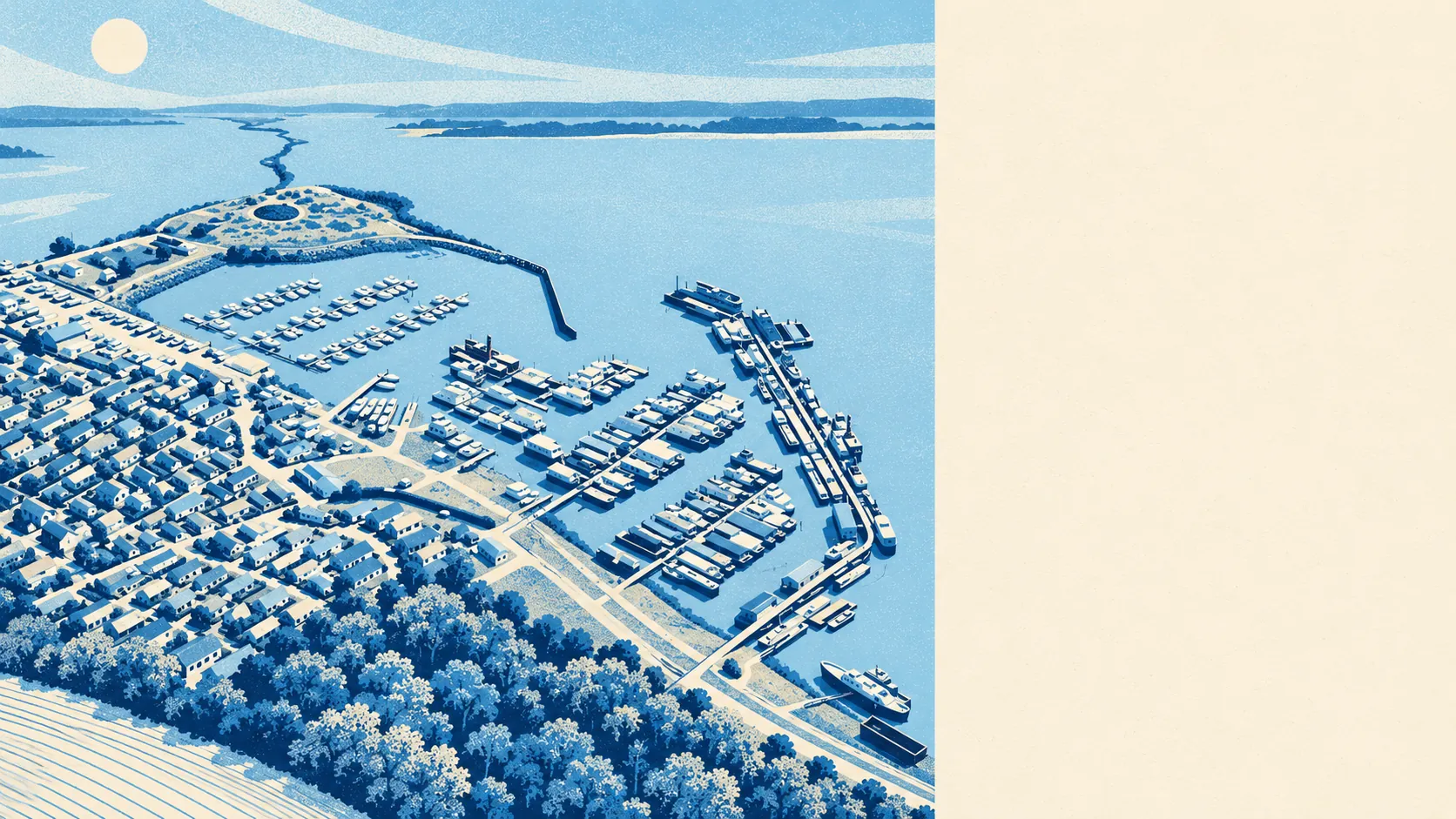
The area around Hoo St Werburgh is mostly outdoors, and that is its best feature. There is green space at the end of most roads. The water is a short walk away. There are forts in the river and castles in the next villages. There are two restaurants. Come for the walks and plan on cooking at home.
Green space is close by. The typical home is about 140 metres from green space, with 17 green spaces within a kilometre on average. That is the distance of a dog walk before breakfast, not a weekend expedition. Buyers moving out from Medway's terraced streets tend to see the difference on the first morning.
The water is closer than most people expect of a village of semis. The average home is about 230 metres from water, with 35 separate bodies of water, stretches of shoreline and creeks within a kilometre. On the peninsula, water is part of the view as well as part of the flood survey, and it is best to enjoy one after reading the other.
The National Cycle Network runs on average about 420 metres from home, and 61% of postcodes sit close to it. That is a route out along the peninsula for anyone who owns a bike and not just a car.
The shops and pubs are village-sized. The commercial property breakdown counts 62 shops, 13 pubs and 2 restaurants, alongside 67 offices and 7 holiday lets. Thirteen pubs against two restaurants says what the village prefers on a Friday night, and it is not a tasting menu.
Air quality is measured for the whole council area, not the village. Fine particles across Medway averaged 7.7 micrograms per cubic metre in 2024.
The character of the place comes from its edges. Chattenden and High Halstow sit close by, Upper Upnor and Lower Upnor face the river, and Cooling lies further out on the marsh. The history is military and blunt. The scheduled monuments nearby include the artillery castle at Upnor, Hoo Fort out in the water, Lodge Hill Anti-aircraft Battery and Cooling Castle with its landscaped setting. For centuries this stretch of estuary was where the country expected trouble to come upriver. The trouble now is the traffic.
Private gardens are the quiet advantage. The area has about 89,000 square metres of private garden per 1,000 residents, which is room for a trampoline, a shed and an ongoing dispute about the fence. People here have outdoor space of their own before they reach any of the public space.
The valuation list counts 112 rateable non-domestic premises in the area. These are premises on the rating list, not a guarantee of what is open on any given day. It is enough for daily errands. The big shop, the cinema and the late dinner are still across the water in the towns.
Food hygiene is reassuring. Of 26 rated food premises, 65% hold the top score of five, and none sit in the low bands. The choice is small, but none of it is a gamble.
No protected landscape overlaps the village: no area of outstanding natural beauty, no site of special scientific interest and no ancient woodland. That is not a flaw. It means the green space here is working land, marsh and park rather than a postcard with planning restrictions attached.
The surroundings are Hoo St Werburgh's strongest feature. Green space, water and a peninsula of forts are within walking distance of most front doors, and very few places at this price can say the same.