Grays is a solid place to live, where the planners will mostly leave your loft conversion alone and the flood maps won't leave you alone at all. The town has no conservation areas, and so few listed buildings that most streets have none. Four in five postcodes, though, rate high on at least one flood measure. Build upwards, by all means.
Historic England lists 27 buildings in and around Grays: one at Grade I, two at Grade II* and 24 at Grade II, with a single scheduled monument and one entry on the Heritage at Risk register. There are no conservation areas, so the semis and terraces that make up most of the town can be extended, re-windowed and re-roofed under ordinary planning rules. The listed few include the State Cinema and the Church of St Peter and St Paul, whose tower still holds fragments from the late 12th century although most of the church was rebuilt in 1846. Alfred Russel Wallace lived in Grays from 1872 to 1876 and had The Dell built, one of the earliest concrete houses in Britain. The town's best-known self-builder set the tone, and Grays has never been precious about what people do to their homes since.
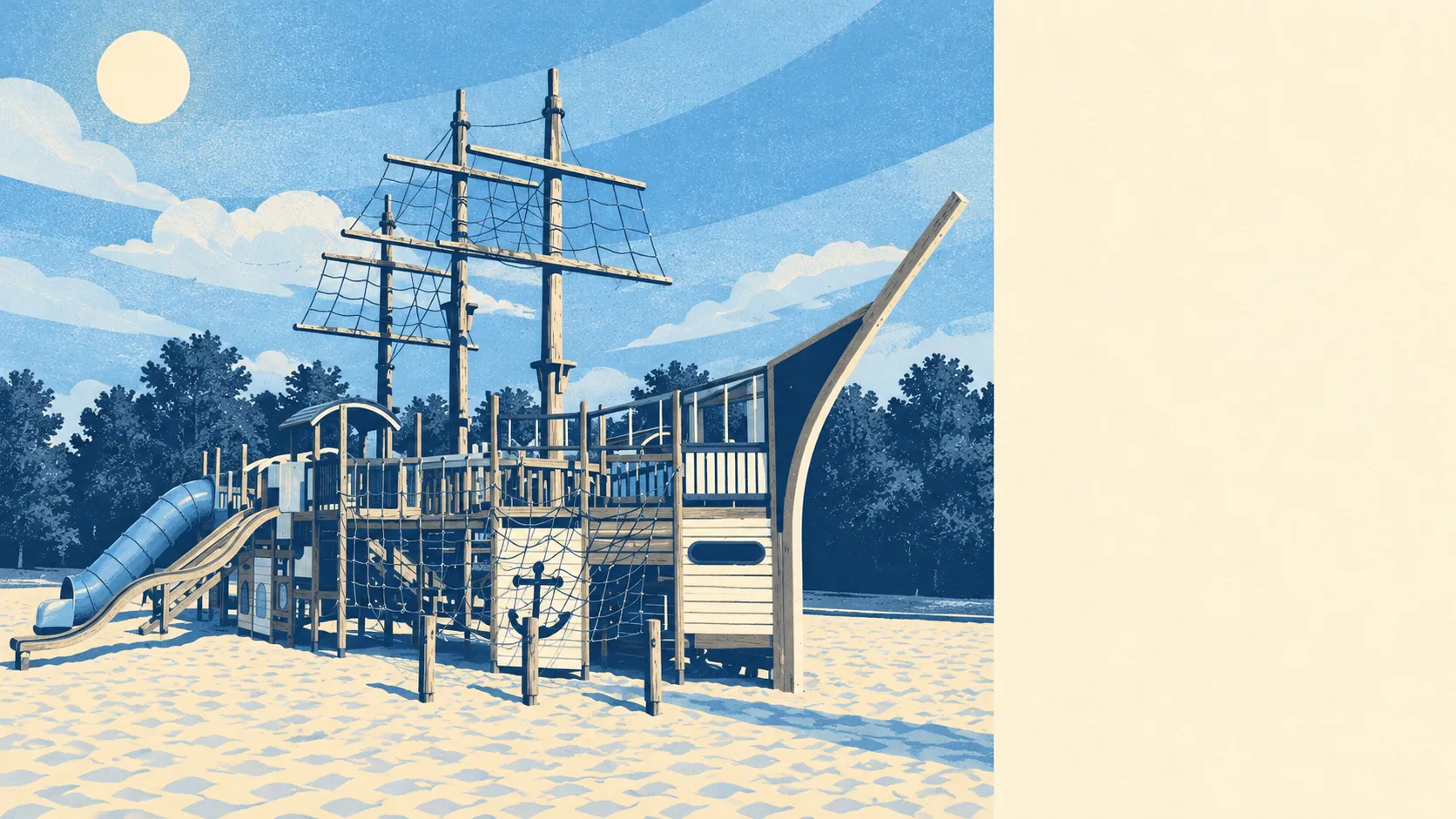
The flood picture needs a straight read. On the Environment Agency's mapping, about 81% of Grays postcodes rate high on at least one flood indicator, and that measure includes surface water as well as rivers and the sea. The river-and-sea flood zones are a narrower measure: about 11% of the area is in Flood Zone 2 and about 9% in Flood Zone 3, rising to about 27% once the Agency's climate-change allowance is added. The record holds 40 flood events, the most recent in 1953 and from the sea. Grays Beach has a children's playground on the Thames foreshore, which shows how relaxed the town is about the river most days. The 1953 entry shows why the maps are less relaxed.
Essex Police recorded a published rate of about 103 crimes per 1,000 residents in Grays over the twelve months to May 2026. Thurrock as a whole came in at about 102, so the town is level with its borough. The mix leans one way. Vehicle crime made up about 9% of the total, against 5% across England and Wales. In a town where nearly half of commuters drive to work, the car parked outside is the thing most worth locking.
Grays Rail Station runs through the middle of town, with trains to London Fenchurch Street one way and Shoeburyness the other, and Chafford Hundred Rail Station is close by. At the 2021 Census about 8% of workers took the train, about 48% drove, and about 24% worked from home. There are 153 bus stops, averaging 63 weekday departures each, and the bus station outside the railway station is the hub for most of Thurrock. Gigabit broadband reaches about 96% of premises. Hospital is the weak spot: on the Department for Transport's modelled 2019 figures it takes about 56 minutes by public transport and about 21 by car. The trains to London run straight through the middle of Grays, and nearly half the town drives past them.
About 62% of households own their home, and the typical resident is 37. Gross household income averaged about £57,600 in the financial year to March 2023, a figure the Office for National Statistics models across the wider neighbourhood areas. This is a working town of young families and commuters, and its famous names fit it. Joe Pasquale and Fatima Whitbread both went to Torells School, and Phil Davis, Ian Abercrombie and the author Michelle Harrison all came from Grays. Samuel Pepys came in 1665 to buy fish, which still counts as the most efficient visit anyone from London has made.
The Land Registry recorded 363 sales in the twelve months to May 2026, with a typical price of £355,000. Detached houses went for about £510,000, semis for about £426,000, terraced houses for about £336,000 and flats for about £209,000. Band C is the most common council tax band, and about a third of homes are in Bands A or B. The semi is where the money goes, which makes sense in a town where the planners let you add to it.
Renters are working from a borough-wide average. Across Thurrock, private rents averaged about £1,360 a month in April 2026 on the Office for National Statistics index, about 6% up on the year before.
The council tax list gives the fullest count of the stock: about 29% flats, 28% terraced houses, 24% semis, and 9% each for detached houses and bungalows. Only about 19% was built before 1930, so most of the town is post-war and later. Among homes with an energy certificate, about 45% are rated A to C and about 13% E or worse. About 71% of homes heat with mains gas, and about 18% run on electric heating alone. Buyers should check which one a flat uses before the viewing.
Green space is about 150 metres from the average front door, and water about 640 metres. The riverside runs from Thurrock Yacht Club past Grays Beach to the marshes, and further out the village of Orsett and the Southfields area also fall within this page. The Gull, a lightship built in 1860, has lain on the foreshore for decades and is falling apart. It is the only property in Grays that nobody is trying to extend.
Grays works for buyers who want a house they can grow, a train to London, and a price that leaves room for the builders. Anyone who loses sleep over flood maps, or who wants a period street with a conservation area to protect it, should look elsewhere.
Grays is a better-than-fair bet. The planners will let a family make a house its own, and the river means the first question about any address is how wet it could get.