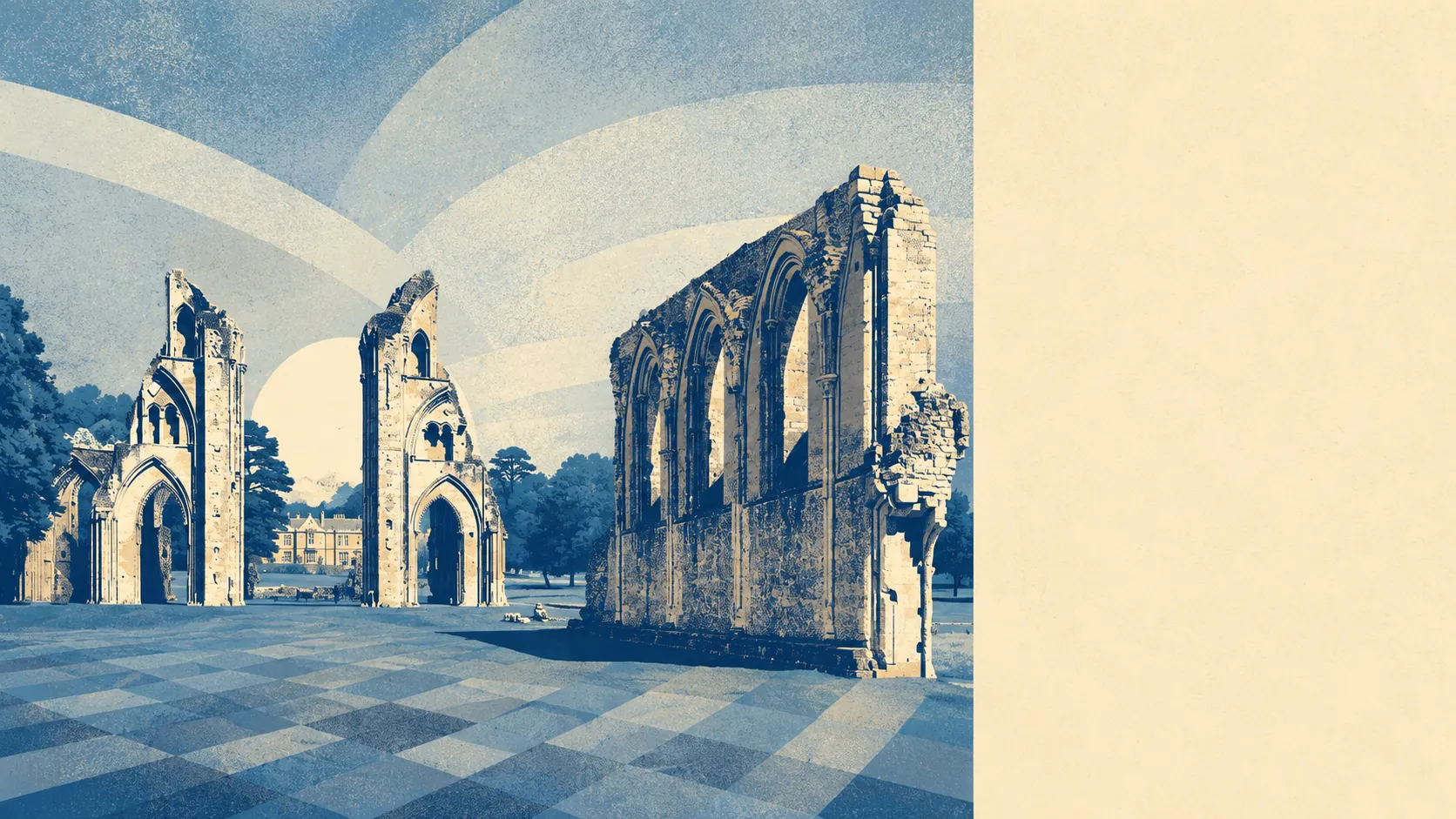
Better than the town's reputation for alternative thinking would lead you to expect. The primaries do the strong work. The single secondary is solid rather than spectacular. Most schools across the county carry a good grade or better. Nobody is teaching crystal healing on the curriculum, which disappoints a certain kind of visitor and reassures every parent who actually lives here.
Primary is where Glastonbury performs. Across the five mainstream state primaries in the area, key stage 2 maths averages roughly 103, which sits above the expected standard of 100. That is a genuine result rather than a rounding artefact. St Benedict's Church of England Voluntary Aided Junior School and St John's Church of England Voluntary Controlled Infants School carry the town's own names and its history in equal measure, and Brookside Community Primary and Elmhurst Junior fill out the town's provision. Out on the Levels, Meare Village Primary and West Pennard serve the villages, and Baltonsborough and Butleigh have their own church primaries. A small town with this many primary options is not the norm.
Secondary is a shorter conversation because there is one mainstream state secondary in the area. St Dunstan's School, named for the abbot who ran Glastonbury Abbey before becoming Archbishop of Canterbury in 960, records an Attainment 8 score of about 46. That is middling rather than poor, and it is the number that matters most to anyone buying here with a child under eleven, because the alternative is a drive. Crispin School Academy in Street sits across the River Brue and is the other realistic state option. For families going independent, Millfield School and Millfield Preparatory School are the local names.
On inspections, Ofsted has graded 140 settings across Somerset, of which 101 carry good or better, which is a bit over seven in ten. Five hold outstanding. Thirty-two require improvement and seven are rated inadequate. A further 81 settings have no published grade at all, which means not yet inspected rather than anything worse. Those counts cover the whole county, not Glastonbury specifically, so they describe the pond rather than the fish. A good county average does not put a good school on your street, and a poor one does not stop your nearest school being excellent.
Which brings up the thing every estate agent leaves out of the listing. Naming a school near a house is not the same as securing a place in it. Somerset allocates on published admission criteria, and proximity is one factor among several, so a house that looks like it sits in the right place can still produce an offer letter for somewhere else entirely. Check the current admission arrangements for the specific school and the specific year of entry before you make an offer, not after. This costs an afternoon. Getting it wrong costs considerably more.
Typical journey times help. Public transport reaches a primary in roughly ten minutes and a secondary in about eighteen, and the car equivalents run at around eight minutes for each. Walking to a primary averages about thirteen minutes. In a town this compact, most families are not organising their lives around the school run in the way a city parent would recognise.
For a place better known for the abbey ruins and the shops selling incense, Glastonbury quietly does schools rather well, particularly at primary. The secondary picture is respectable without being a reason to move here on its own, and the honest position is that the education here is a reasonable plus rather than the headline attraction.