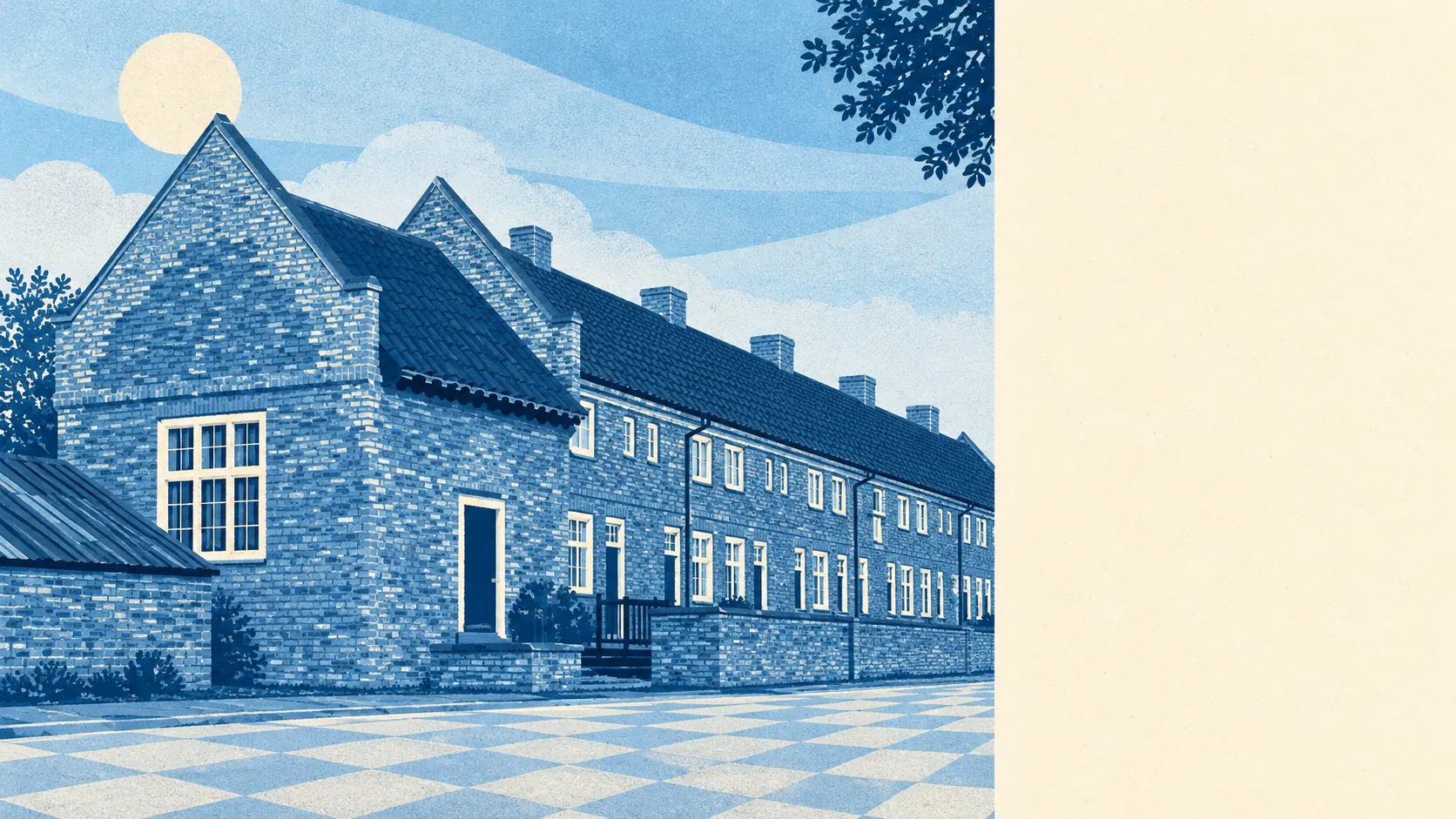
Yes, most Gamlingay homes can be extended, and the neighbours keep the council's planning department busy doing exactly that. Dozens of buildings in the parish are listed. One conservation area covers part of the village. The clay underneath shrinks and swells with the weather. A post-war semi needs the right paperwork and a deep trench, while a listed house along Church Street means a long negotiation.
Historic England's list puts 63 listed buildings in the parish: one at Grade I, five at Grade II* and 57 at Grade II. Listing covers the whole building, inside and out, so any change that affects its character needs listed building consent on top of planning permission, and that includes changes ordinary owners never think about, such as windows, render or the layout of the rooms. Downing College got its share of the parish through a will. The listed houses take more paperwork than that just to change a window.
The village has one conservation area, named Gamlingay. Inside it, the council takes a closer interest in what changes on the outside of a house, and some works that need no application elsewhere need one there. The boundary matters more than the house type, so two similar houses a few streets apart can face quite different rules. South Cambridgeshire District Council can confirm whether a particular house is listed or inside the conservation area. Getting that answer before drawing up any plans is cheap and saves a lot of trouble later. For centuries Merton, Downing and Clare colleges decided what was built on their land here. The council's planners have that job now.
People alter their homes here all the time. The council's records show 687 planning applications from April 2024 to June 2026, and 323 in the latest twelve months. Those figures cover how many applications were made and when, and nothing about how they turned out. They do show plenty of owners asking.
The ground is the part nobody can apply to change. The British Geological Survey rates shrink-swell clay here at class 3 on its hazard scale, and every part of the area reaches that class. Clay at that level swells when wet and shrinks when dry, so an extension usually needs deeper foundations, and a structural engineer should look at the plans before any digging starts. Trees near the footings matter too. The clay under the east of the parish once supplied the village brickworks, and it is much less reliable as ground to build on.
Away from the listed buildings and outside the conservation area, a modest rear extension on an ordinary post-war house may fall within permitted development rights and need no planning application at all. Inside the conservation area those rights are narrower. On a listed house, almost every change needs consent. The same extension can be straightforward on one road and need a full application one road over.
Extending in Gamlingay is an average proposition. It is straightforward enough on the post-war roads and much harder in the old village, and the clay means deeper foundations wherever you build.