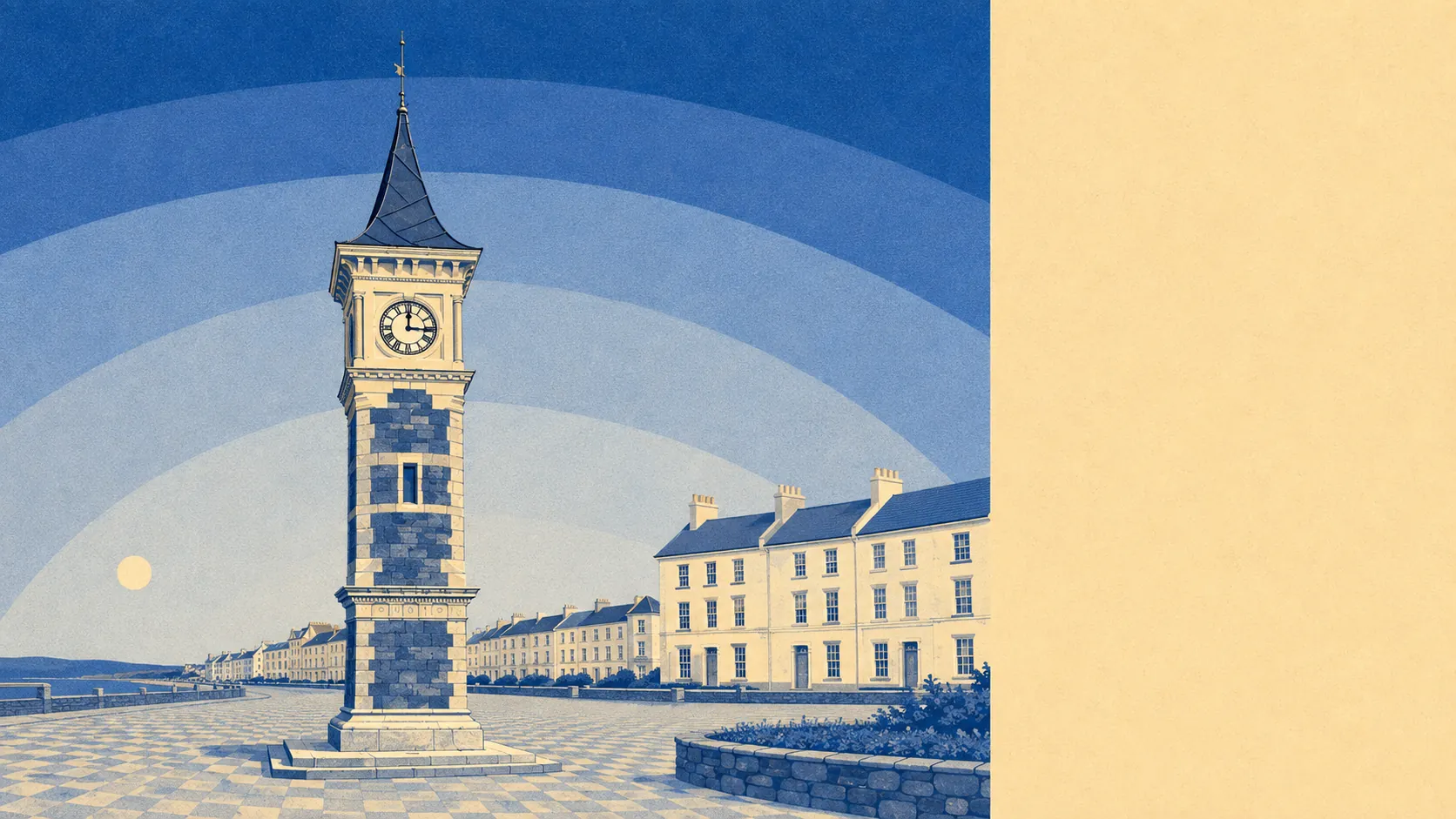
Yes, for most houses, and not without a conversation for a specific 173 of them. Two conservation areas. One scheduled monument. Hundreds of applications going in year after year, so plenty of people are already doing it. The constraint here is precise rather than general: it lands on named buildings and drawn boundaries, and outside those you are dealing with the same rules as everywhere else in the country.
There are 173 listed buildings in the area. Three are Grade I, five are Grade II star and the remaining 165 are Grade II, which is the ordinary tier and the one most likely to be someone's actual house. Listing is not a preservation order on the front elevation alone. Consent is needed for works affecting the building's special interest, inside as well as out, which is how people discover that the internal wall they wanted gone is load-bearing in the legal sense rather than the structural one. Owning one is a commitment to doing things properly and slowly.
Two conservation areas cover parts of the town and Lympstone. Inside a conservation area the controls tighten around demolition, trees and the external changes that alter the look of a street, and some things that would be automatic elsewhere need an application. The boundary is the thing to check before making an offer, because it is drawn on a map rather than along the obvious visual line, and one side of a road can be inside it while the other is not.
There is one scheduled monument in the area. That is the strictest protection tier in the system and it applies to the monument and its setting rather than to housing generally, so it matters to a handful of owners and to nobody else.
The appetite for altering property here is not theoretical. The council received 793 planning applications in the area between April 2024 and June 2026, of which 365 came in during the last twelve months. Whatever the constraints look like on paper, people are clearly submitting drawings.
For most owners the practical position is straightforward. A house outside the conservation areas and off the listing register works within the standard permitted development rules for modest rear extensions and loft alterations, with a full application for anything larger or more visible. Flats are the exception that catches people out, because permitted development rights do not apply to them at all, and flats make up 26% of the dwellings on the council tax valuation list here. A quarter of the housing stock therefore starts from a position of needing consent for work a neighbouring house could do on its own authority.
Freedom to alter a home here sits in the middle of the range. The heritage protection is real and concentrated rather than blanket, so the answer for any individual address depends entirely on which side of a boundary line it sits, and that is a five-minute check rather than a gamble.