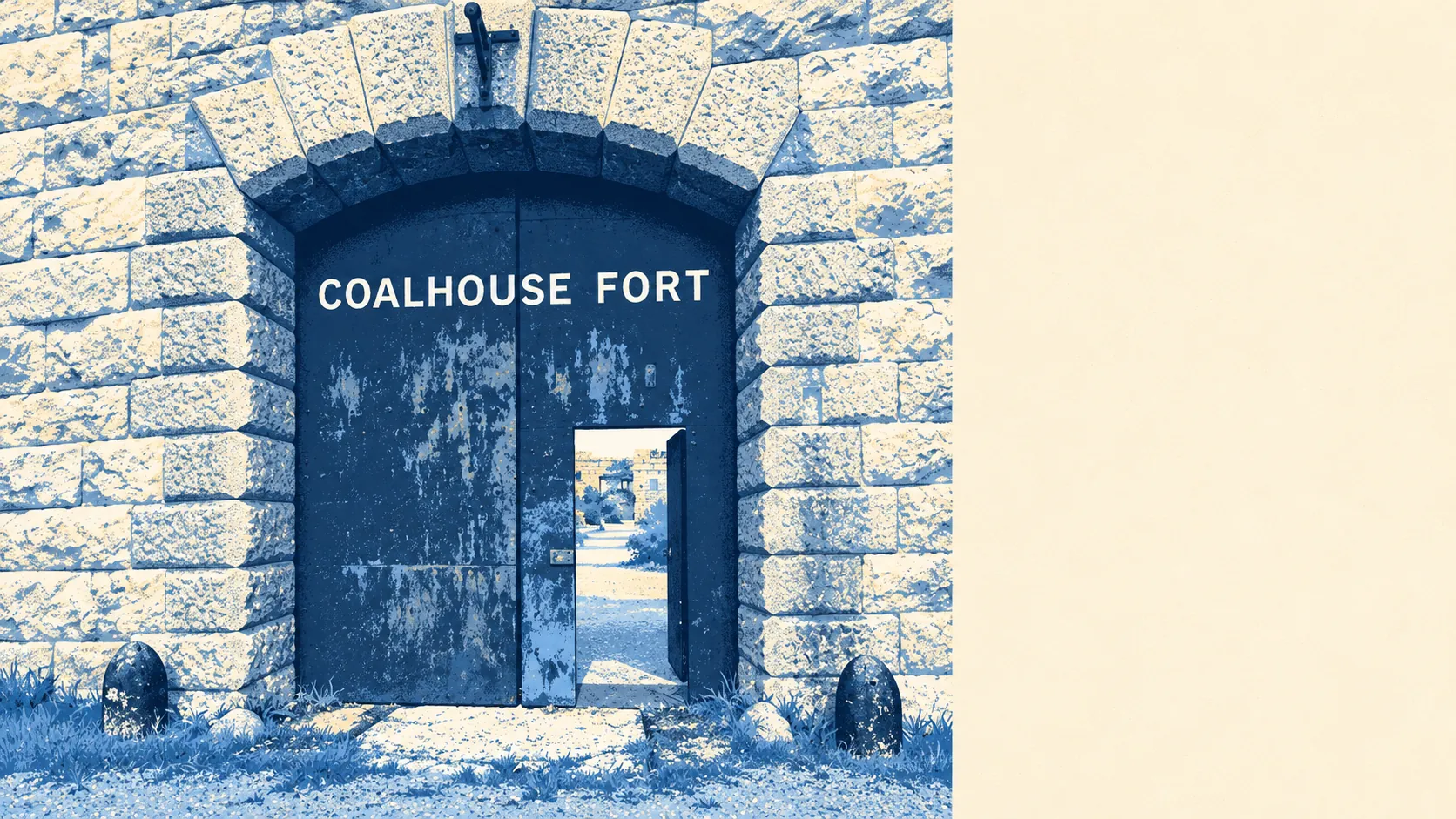
Yes, and East Tilbury makes it easier than most of what surrounds it. A dozen listed buildings. Not one in the top two grades. One conservation area. Hundreds of planning applications a year, which is what a village does when the rules let it.
Historic England lists 12 buildings in East Tilbury, and all 12 are Grade II, with none at Grade I or Grade II*. Listing means any change that affects a building's character, inside or out, needs listed building consent from the council, on top of any planning permission, and that applies to the back as well as the front. Own one of the 12 and every new window is a conversation. Own anything else and the list has nothing to say to you.
There is one conservation area, named East Tilbury. Inside a conservation area, councils can expect more care over changes that alter how a street looks, and some work that would be routine elsewhere needs consent. Whether a house sits inside the boundary or outside it can change the paperwork for the same extension completely, and Thurrock Council's conservation-area map plus the official listing search will settle both questions for a given address in a few minutes.
The neighbours are not waiting for permission to be easy. Thurrock Council logged 890 planning applications for East Tilbury between April 2024 and June 2026, and 383 of them came in the last twelve months. That is the paper trail of a village that treats its post-war semis as a first draft.
The ground is the part that needs more attention than the planners. The British Geological Survey puts East Tilbury's shrink-swell hazard at class 3, and every postcode in the area reaches that class. Clay that swells when wet and shrinks when dry moves foundations, so an extension here will usually need deeper foundations than the builder's first guess, and a structural engineer's view belongs at the drawing stage. The clay has no interest in whether the extension was approved.
For most houses, then, the practical position is ordinary. A semi or terrace that is neither listed nor in the conservation area falls under the normal national rules, where smaller rear extensions and loft conversions can often go ahead as permitted development, and anything larger goes through a standard planning application. The extra consents only bite on the dozen listed buildings and whatever falls inside the one conservation area.
Freedom to extend is one of East Tilbury's real strengths: light heritage controls, plenty of neighbours already doing it, and the only serious negotiation is with the clay underneath.