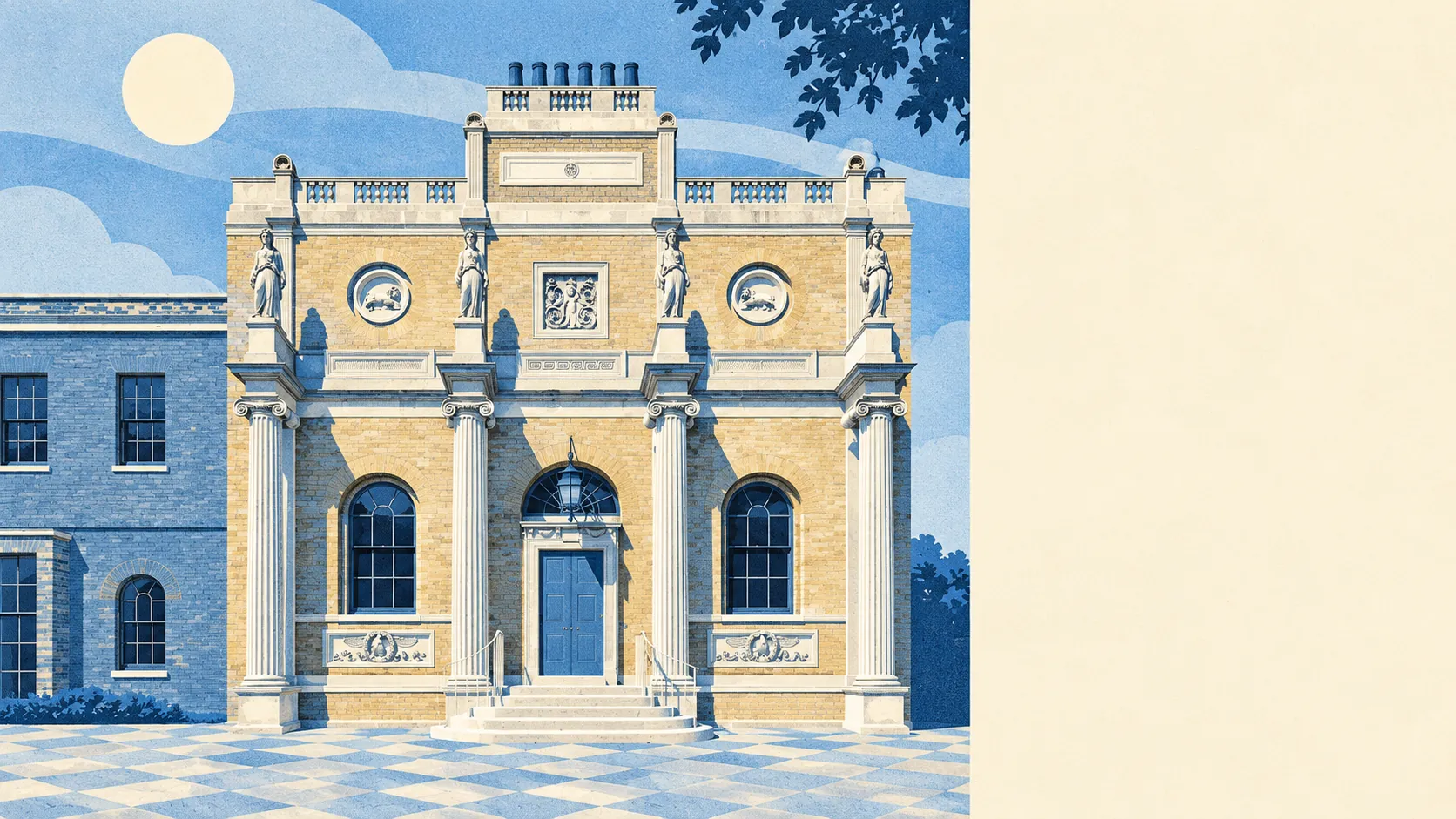
Ealing asks about £610,000 for a typical home, and for that you get parks at the end of most roads and a choice of tube lines. Most of what sells is a flat. A terrace runs to about £864,000. A detached house costs the kind of money that makes people reconsider the whole idea of a garden. It is a decent place to live, priced as if everyone already agrees it is a great one.
The Land Registry recorded 357 sales in Ealing in the twelve months to May 2026, at a typical price of about £610,000. Flats made up 206 of those sales and went for about £469,000. Terraced houses fetched about £864,000, semis about £1,125,000, and the 28 detached houses about £1,812,500. Council tax is priced the same way. The most common band is E, and only about 6% of homes are in bands A or B. In Ealing, the cheap option is a flat, and the council's valuation list has filed even that above the national middle.
Renting costs about £2,060 a month, the typical private rent the Office for National Statistics gives for the whole London Borough of Ealing as of April 2026. That figure averages Greenford, Hanwell and Perivale in with the streets around Ealing Broadway, so the lettings near the station are unlikely to be the ones dragging it down.
The council-tax list puts flats at about 59% of homes, terraces at 22%, semis at 13% and detached houses at 6%. More than half of all homes, about 54%, were built before 1930. That age shows on the energy certificates. About half of certificated homes are rated C or better, about 39% are D, and about 12% are E or worse. Roughly 76% of homes heat with mains gas, and about one in ten relies on electric heating alone, though not many of those will be the Edwardian semis.
There are 124 listed buildings, three of them Grade I and 11 Grade II*, plus 17 conservation areas, including Brentham Garden Estate, Ealing Green, Haven Green and Ealing Common. Inside those boundaries, new windows, extensions and demolition need extra consent from Ealing council. Fourteen listed buildings in and around the district are on Historic England's at-risk register. The steeple of St Mary's fell in 1729 and took the church down with it, which was probably the last time anything in central Ealing came down without a planning officer being consulted first.
The Metropolitan Police's published rate for Ealing was about 116 recorded crimes per 1,000 residents between June 2025 and May 2026. That is roughly 3% below the average for the London Borough of Ealing, so in practice it matches the borough. The mix is more interesting than the total. Anti-social behaviour made up about 25% of recorded crime, against 16% across England and Wales, and vehicle crime about 12%, against 5% nationally. More than a third of households here have no car, and the cars that are here get more than their share of the attention.
Transport is the reason most people pay the price. Ealing Broadway has the Central and District lines and, since 2022, the Elizabeth line, which also stops at West Ealing. Castle Bar Park and Drayton Green handle the smaller branch traffic. There are 180 bus stops, which averaged about 373 weekday departures each and roughly 19 buses in the peak hour, and every one of them has a weekend service. Gigabit broadband reaches about 90% of premises, and superfast about 99%. At the 2021 Census, about 52% of working residents said they worked from home. The count was taken during lockdown, and the Elizabeth line opened the following year anyway.
Flooding from rivers and the sea barely registers: well under 1% of postcodes fall in the Environment Agency's river-and-sea flood zones, and the agency's records show one flood, from a main river in December 1977. The wider measure tells a different story. About 16% of postcodes carry a high reading on at least one flood indicator once surface water is counted. That risk comes from rain with nowhere to go, and a river map will never show it.
About 48% of households own their home, and roughly half rent. The typical resident is 38. Gross household income averaged about £87,000 in the financial year to March 2023, an Office for National Statistics model spread across the area and counted before tax. About 61% of adults have a degree. Northfields, the southern stretch around Northfield Avenue, comes under this page and follows much the same pattern. These are well-qualified people on decent incomes, and about half of them are still paying someone else's mortgage.
The outdoors is where Ealing earns its money back. The nearest green space is about 130 metres from the average front door, and water is about 520 metres away. Walpole Park, Pitshanger Park with the River Brent running through it, and Ealing Common are all in the district. Even a flat with no garden has a park close enough that the lack of one stops mattering.
Ealing is right for professionals and young families who need a fast line into town, want a park within a few minutes' walk, and have the income to cover a mortgage that size or a rent at the borough's going rate. Anyone who needs space for the money, or who wants to put a big extension on an Edwardian house inside a conservation boundary, should look further out along the Elizabeth line.
House prices are where Ealing makes things hardest. A family house costs the best part of a million, and the cheaper way in is a flat that is likely to be rented, unlikely to be new, and still in a mid-range council-tax band. The parks, the trains and the ordinary crime figures are all good, but none of them is cheap. Ealing is a sound, middling choice that charges like a top one, and the bill usually arrives before any of the benefits do.