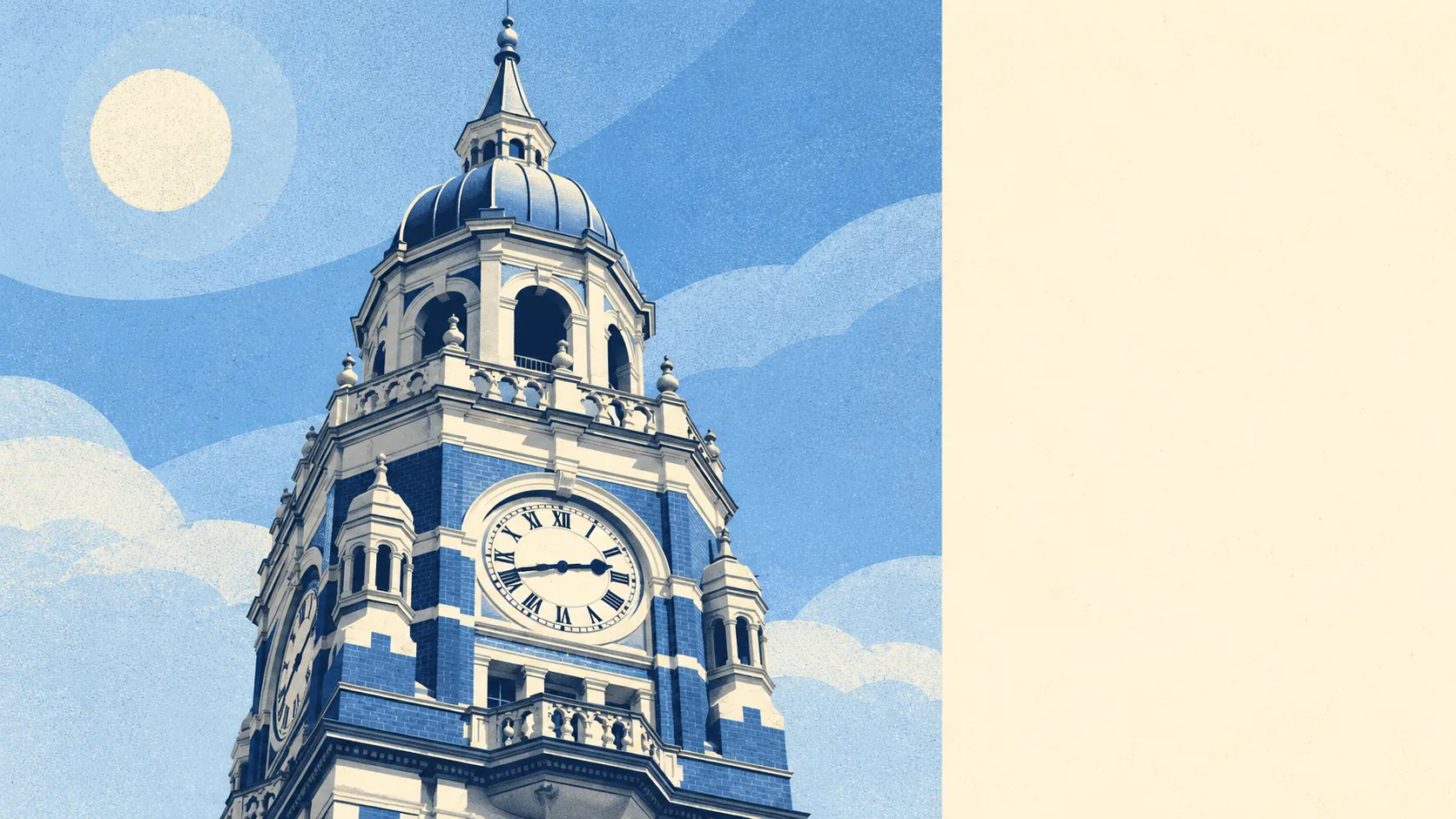
Croydon is greener than its reputation. A park is a couple of minutes from most front doors. There are around twenty green spaces within a kilometre. To the east the ground climbs into wooded hills. The tower blocks get the attention, but most of the land around them is parks and woods.
The typical home in Croydon is about 160 metres from public green space, with about 20 green spaces within a kilometre. That is park access most of inner London would be glad of. Away from the centre, the ground rises into the Addington Hills and Croham Hurst. The highest point is the Sanderstead Plantation at the southern edge. Down the hill from the office blocks, the woods are a short bus ride away.
Water takes a little more effort. The nearest blue space is about 770 metres away on average, with about seven within a kilometre. The River Wandle rises in Croydon before heading off to the Thames. The lake at South Norwood began as the reservoir for the Croydon Canal, a waterway that never made money and was sold to a railway company in 1836.
The National Cycle Network is about 1,960 metres from the average home, and about 23% of postcodes count as close to it. In practice, a ride out starts on ordinary town streets before it reaches a quieter route.
The high street is large. The rating list includes about 1,510 shops, 99 restaurants and 59 pubs. On the wider business list, the Valuation Office counts 4,809 rateable premises. Shops make up about 1,500 of them, offices about 1,220, and warehouses and stores 493. These are premises on the valuation list, not a count of businesses open today. Even so, they describe a commercial town with plenty of offices and a large retail centre.
Fine-particle air pollution across the Croydon council area averaged about 8 micrograms per cubic metre in 2024. That is a borough-wide figure, and it doesn't distinguish between the main roads and the hills.
Croydon has been a day out for Londoners before. In 1831 Decimus Burton laid out the Royal Beulah Spa and its pleasure gardens below Beulah Hill, and in 1834 Pablo Fanque walked a tightrope at its Grand Scottish Fete. The spa closed in 1856, soon after the Crystal Palace was rebuilt nearby and took its visitors. Today the conservation areas at Beulah Hill, South Norwood and the Upper Norwood Triangle keep some of that Victorian character. To the east, Addiscombe and Shirley give way to the open land around Addington Village.
Private gardens are more generous than the flats would suggest. Across the area there are about 52,600 square metres of private garden for every 1,000 residents. Plenty of homes here have a lawn of their own.
Eating out is reasonable. Of the 1,033 food premises with a hygiene rating, about 65% have the top score of five, and about 5% are at the low end of the scale. There are more good options than bad ones.
No area of outstanding natural beauty, site of special scientific interest or ancient woodland overlaps the area. Croydon's countryside is ordinary woods, hills and parks, with no formal designations attached.
The area around Croydon is one of its best features. There are parks within easy reach of almost every street and wooded hills a short trip from the centre.