Yes, in most of Cranleigh, because most of it was built long after anyone thought it worth protecting. Only a few dozen buildings are listed. There is one conservation area. The neighbours send in plans all the time. The planning department is not the real obstacle. The clay might be.
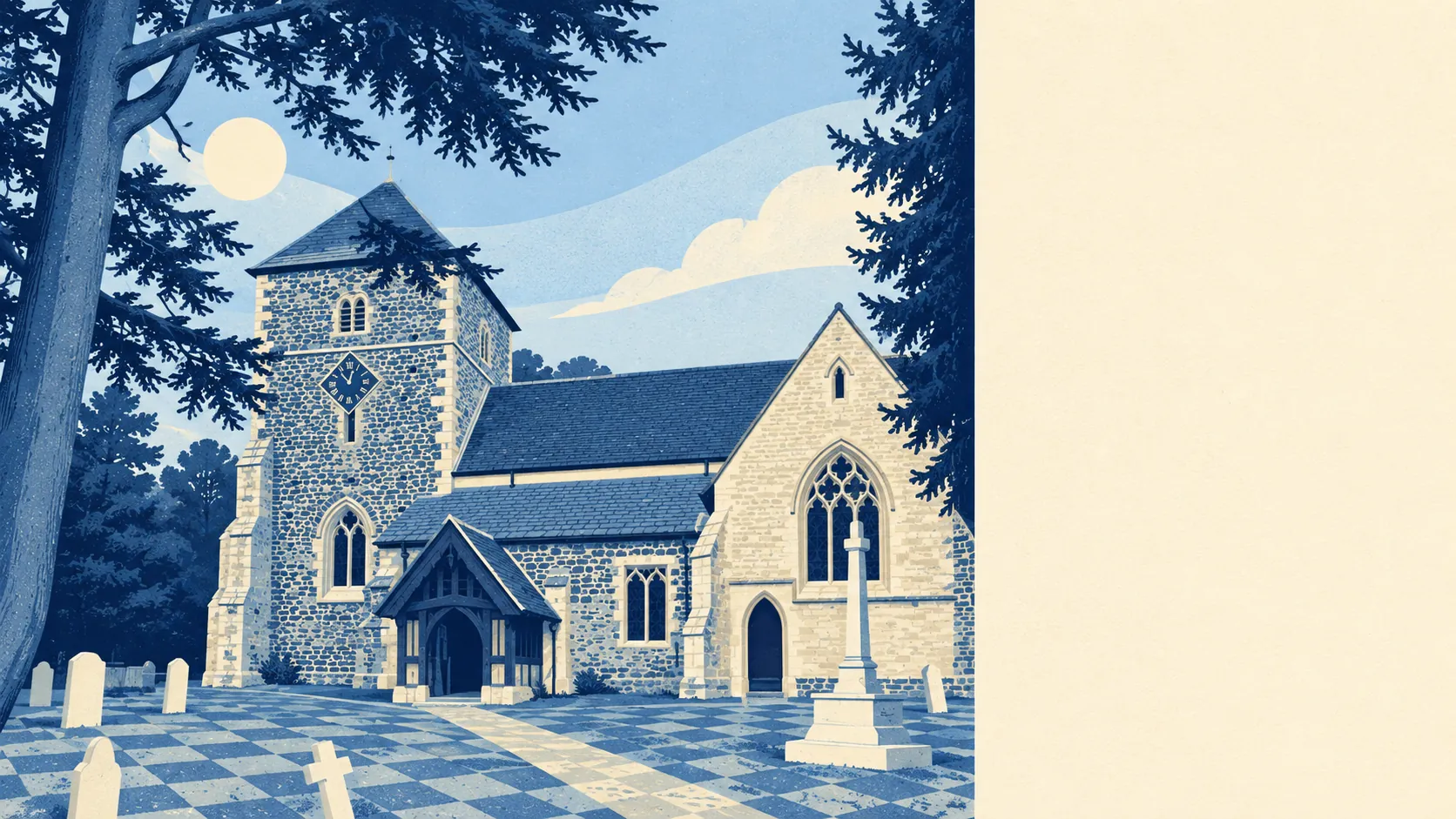
Historic England lists 44 buildings in Cranleigh. None is Grade I, one is Grade II* and the other 43 are Grade II. Listing covers the whole building, inside and out, so any change that affects its character needs listed building consent on top of any planning permission. That applies to extensions, and even to replacement windows. If you're buying one of those 44, the paperwork comes with the house. For everyone else, listing is something that happens to other people's houses.
The area has one conservation area, named Cranleigh, and inside it the rules on exterior changes are tighter than on an ordinary street. Changes that would go through without much fuss on a post-war close get closer scrutiny there, especially anything visible from the road. The place-level figures don't say whether any further local restrictions, such as Article 4 directions, apply, so check with Waverley before assuming a change is allowed.
The neighbours are not deterred. Cranleigh logged 600 planning applications between April 2024 and June 2026, 244 of them in the twelve months to June 2026. That is a village steadily adding kitchens, loft rooms and garden offices. Whatever you want to build, someone a few doors down has probably already sent in the drawings.
The ground needs more thought than the paperwork. The British Geological Survey's shrink-swell hazard reaches class 3 in parts of Cranleigh, and about 25% of the area's postcodes are at class 3 or above. That describes clay that swells when wet and shrinks in a dry summer, and it's the kind of ground where a new extension settles differently from the house it's attached to. It isn't a reason to walk away. It is a reason to expect deeper foundations and a structural engineer's report before the builder's quote, not after the first crack appears.
In practice, most houses outside the conservation area and off the listed register can use permitted development rights for modest extensions, subject to the national size limits and a lawful development check if you want certainty. Once you're inside the conservation area, on a listed building, or planning something big, you'll need full consent. The planning officer is rarely the costly surprise in Cranleigh. The foundations are.
Your freedom to extend in Cranleigh is middling: the planning rules are lighter than the village image suggests, while the clay needs more respect than most buyers give it.