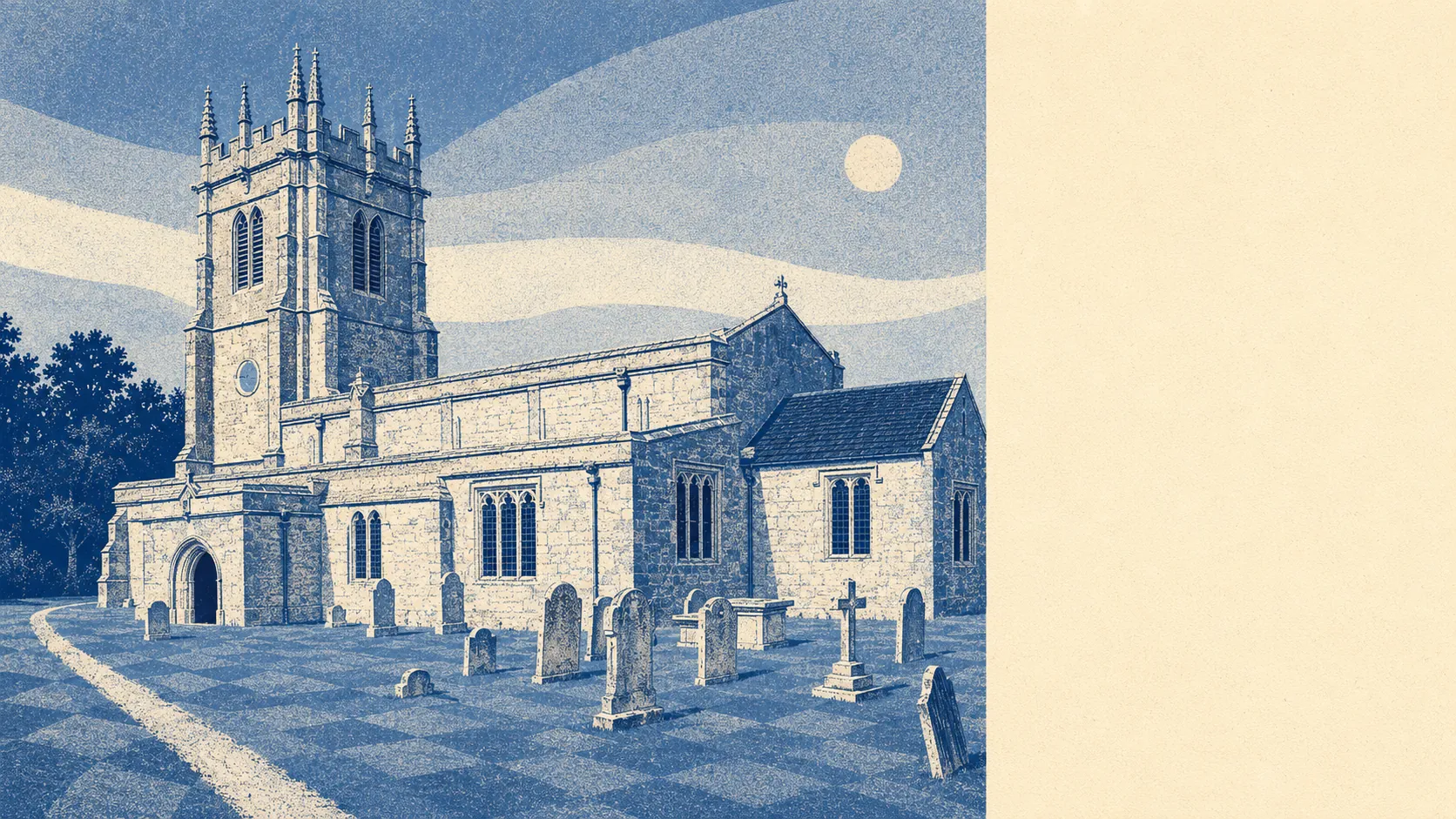
Settled, middle-aged owner-occupiers, in a place people move to when the moving is finished. Seven in ten households own their home. The typical resident is in their fifties. More than a quarter of households contain one person, and a sizeable share of those are pensioners living alone. This is not a village that turns over; it is a village that stays put.
Every population figure here comes from Census 2021 and covers the wider Charminster area rather than the village on its own. On tenure, about 71% of households own outright or with a mortgage. Private landlords account for roughly 14% and social housing for about 13%, which between them make renting a real but minority option. For a rural Dorset village, that social housing share is higher than the postcard would suggest.
The age profile is the defining fact. The median resident is 50, and only about 19% of the population sits in the 25 to 44 band that fills most commuter suburbs. That combination produces the particular texture of the place: quiet weekday mornings, a school run that empties by nine, and a demographic centre of gravity that arrived some time ago and has no plans to leave.
Household income for the area was modelled at around £57,100 gross before tax in the financial year to March 2023. That figure describes that year rather than today, and it covers the household rather than the earner, so a couple with two modest salaries and a pair of pensions land in similar territory.
The household make-up is where the village's real composition shows. About 28% of households are single people, and roughly 17% of all households are pensioners living alone, a subset of that first figure rather than an addition to it. Couples with dependent children account for about 19%, and lone parent households for about 8%. Put plainly, there are more people living by themselves here than there are families with children at home.
Qualifications skew toward the top of the scale. About 38% of residents hold a degree-level qualification and around 13% have no formal qualifications at all, with full-time students making up roughly 1% of the population. That last number is the one that tells you what kind of place this is: a village with plenty of graduates and almost nobody currently studying, which is what happens when the education mostly took place elsewhere, decades ago.
Health reads well. About 82% of residents describe their health as good or very good, and around 4% as bad or very bad, which for an area with this age profile is a decent showing. At the wider Dorset council level, the preventable mortality rate of about 120 per hundred thousand is rated better than England as a whole, and smoking prevalence of around 10% is rated similar to England. Those two are council-area measures with an England benchmark attached, not Charminster's own, and they describe a population far larger than this valley.
Eighty-five residents of the area live in communal establishments rather than private households, which is a small enough number that it leaves every other share here intact.
The people are the least remarkable thing about Charminster, in the sense that nothing in the profile is extreme in either direction. Comfortable, older, well qualified, healthy enough, and unlikely to move again: it is a middling picture nationally and a completely coherent one locally.