Yes, for most homes in Charlton, though the ground needs more thought than the rules. Listed buildings are few and far between. There is a single conservation area. The neighbours file planning applications at a steady rate. The ground under all of it shrinks and swells with the weather, and a foundation has to cope with that whatever the planning officer thinks.
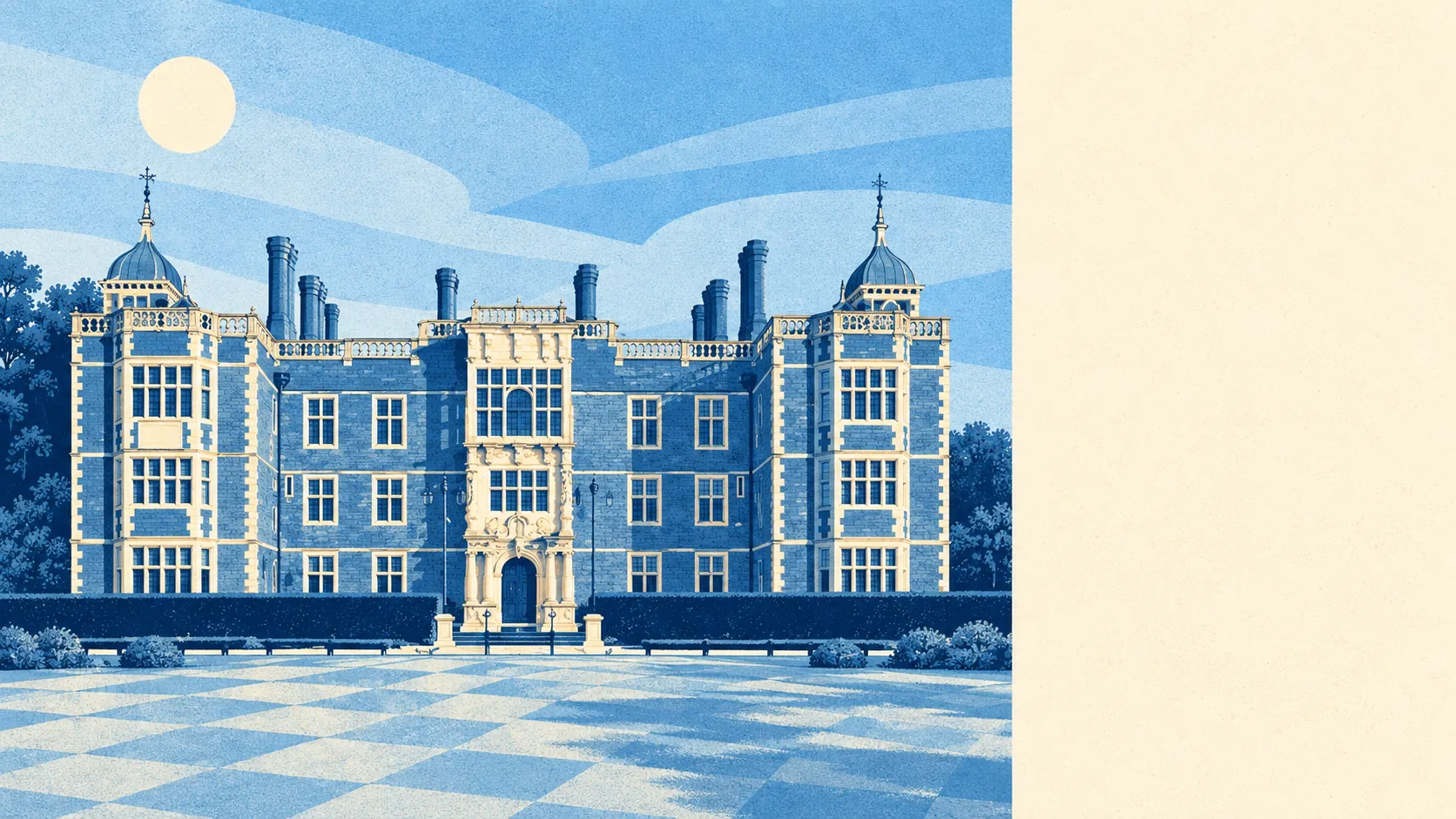
Historic England lists 47 buildings in and around Charlton, four of them grade I, three grade II* and 40 grade II. Listing covers the whole building, inside and out, so almost any change to one needs listed building consent from the council as well as planning permission, down to windows, doors and internal walls. In a neighbourhood of several thousand homes, 47 is a small list, and the odds are that the house you are looking at is not on it.
There is one conservation area in and around Charlton. Inside a conservation area the council takes a closer interest in anything visible from the street, and demolition, front extensions and changes to the roofline can need consent that would otherwise go through automatically. Ask the Royal Borough of Greenwich whether the house is inside the boundary, and whether any extra restrictions apply on that street, while you can still walk away cheaply.
The planning register shows Charlton is no stranger to building work. There were 500 applications between April 2024 and June 2026, and 196 of them in the last twelve months. A place named in the Domesday Book as the farmstead of the freemen has kept a fairly free attitude to the back extension.
The British Geological Survey puts Charlton's shrink-swell hazard at class 3, and all of the area reaches that class. Ground of this type expands when wet and shrinks when dry, so an extension usually needs deeper foundations than a builder's first quote assumes, and a structural engineer's opinion is part of the budget from the start. The Valley stadium was built in an old chalk pit and Gilbert's Pit was dug for sand, so the ground here has been dug up and rearranged before.
Five listed buildings in and around Charlton are on Historic England's Heritage at Risk register. Each is a building in poor condition whose repair may attract grant money and will certainly attract scrutiny. They are a matter for their owners and the council, and none of them is a hazard to anyone extending an ordinary terrace a few streets away.
For an unlisted house outside the conservation area, a modest rear extension or a loft conversion may fall within permitted development and need no full planning application, though the details depend on the house and the council's view of it. Flats are a different matter, and with flats making up much of Charlton's housing, plenty of buyers will be asking the freeholder for permission before they ever get to the council. A street named after Inigo Jones is a nice touch, though the planning department will not expect your kitchen extension to live up to him.
Freedom to extend in Charlton is middling. The heritage rules are light for most homes, and the ground is what makes an extension cost more.