Canning Town is surrounded by water and green space, with the city all around it. A park is a short walk from nearly every front door. Docks and rivers are closer than most people expect. Private gardens are rare. For a place that started out as marsh, it has turned out to have very good outdoor space.
The typical postcode in Canning Town is about 110 metres from the nearest public green space, and has around 40 of them within a kilometre. Most of them are small and between blocks, recreation grounds and squares, with West Ham Park the biggest of the green spaces nearby.
Water is about 360 metres from the average front door, and around 58 bits of it are within a kilometre: docks, basins, the Lea and the Thames. The Royal Victoria Dock opened in 1855 to bring ships in and gave the district its jobs. These days people jog round it.
The National Cycle Network is about 660 metres away on average, and about 30% of postcodes are close to it. There is no ancient woodland at all, since the area was marsh, then docks, then flats.
The everyday high street is modest. The local premises count includes 270 shops, 24 restaurants and 13 pubs, against 462 offices. With 13 pubs and 462 offices, Canning Town is clearly a place where far more people come to work than come out for the evening.
Fine-particle pollution across Newham averaged about 9.6 micrograms per cubic metre in 2024.
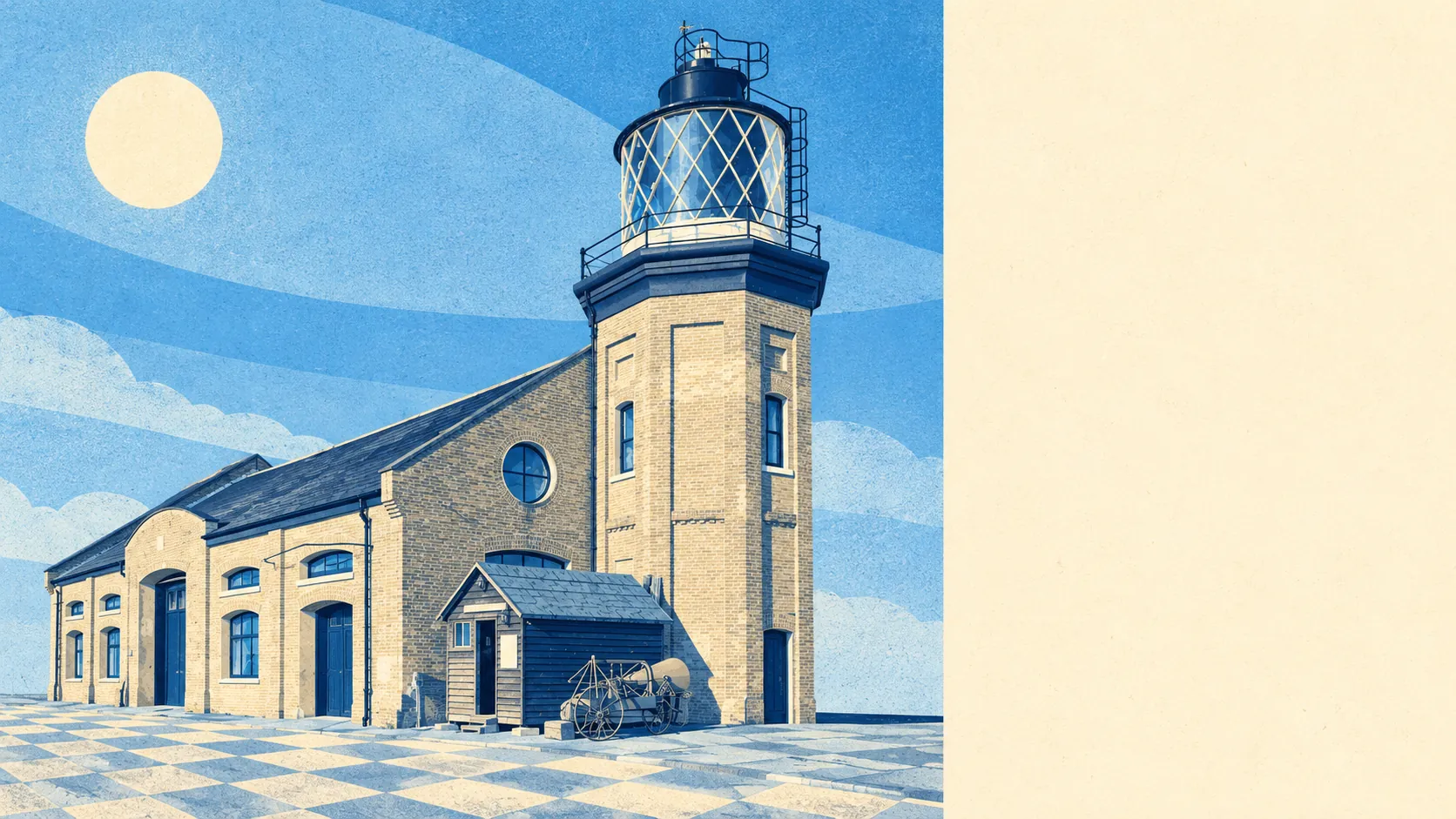
The character comes from the industrial past, and some of it is still standing. The Thames Ironworks, the Tate & Lyle refinery and the chemical works along the lower Lea are what built the place, and Three Mills, Trinity Buoy Wharf and the Hallsville Quarter are among the names now within reach. To the south, Silvertown and North Woolwich run along the Thames, and Greenwich Park is just across the river. What used to be a district of works is now mostly a district of towers next to the water.
Private outdoor space is scarce. Gardens in the area add up to about 14,300 square metres for every 1,000 residents, which is very little when most homes are flats. For most people here, outdoor space means a balcony, a shared courtyard or the nearest dock.
The business rates list for the area carries 1,583 premises, led by 461 offices, 269 shops and 134 warehouses, with a run of industrial units behind them. Those are rated premises on the Valuation Office list, so some will be empty and some will be something else by now. The warehouses are left over from the docks, which have closed. The warehouses are still standing.
Of the 373 food outlets with a hygiene rating, about 63% hold the top score of five and about 8% are rated two or below. Most of them are in decent shape.
No protected landscape designation reaches into the area: there is no area of outstanding natural beauty, no site of special scientific interest and no ancient woodland. Everything outdoors here was laid out for docks, factories, railways and housing, and the green space has been found in what was left over.
Outdoors is where Canning Town comes out best. A buyer here gives up a private garden, and in return gets parks and water, often within sight of the front door.