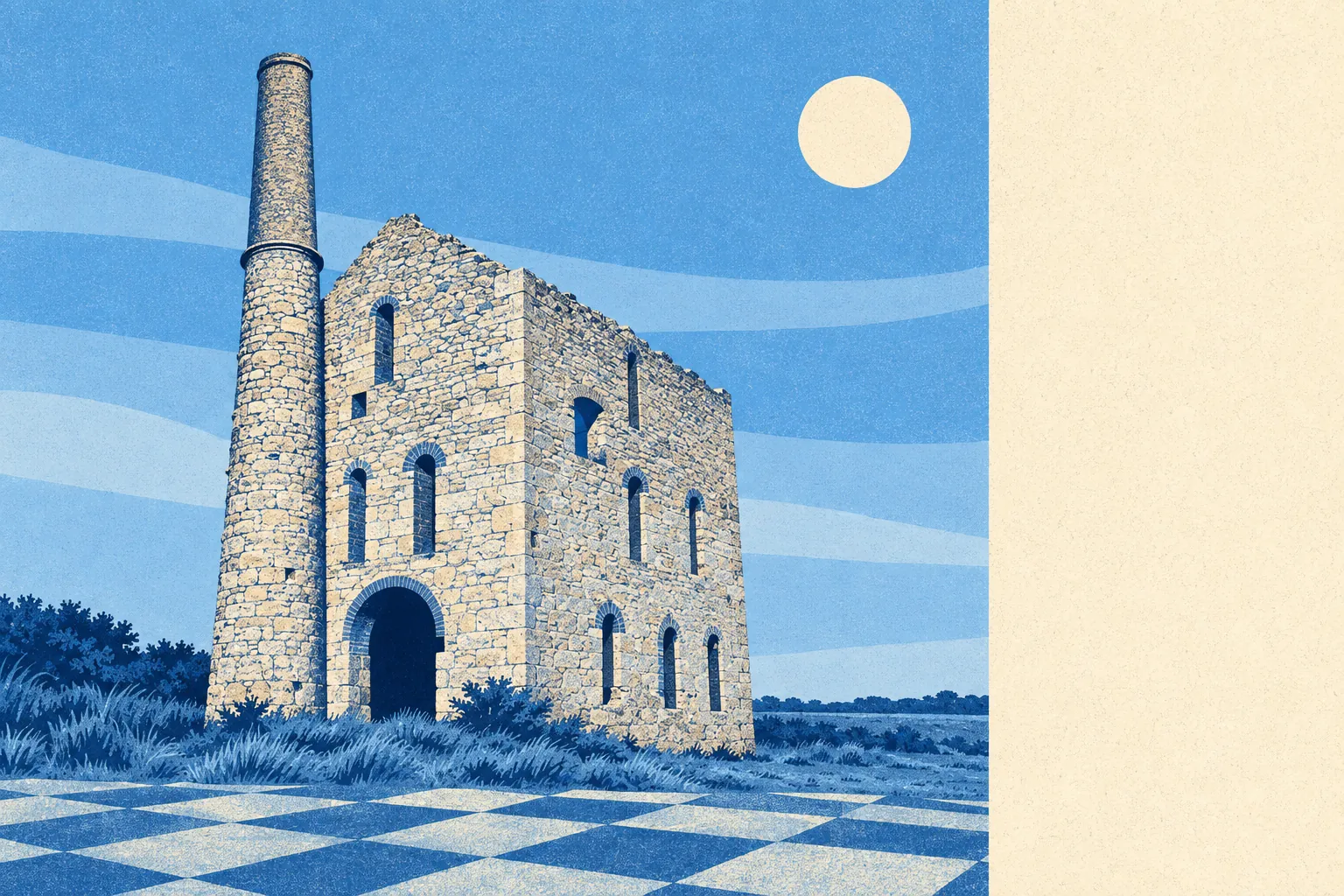
Houses in Camborne cost about £215,000, which in Cornwall reads like a clerical error. A terrace goes for under two hundred thousand. A flat costs around half what the typical house does. Most dwellings sit in the cheapest council tax band there is. This is the corner of the county where the arithmetic still works, and it works because nobody has ever put Camborne on a tea towel.
The Land Registry recorded 196 sales in the year to May 2026, with the typical one landing at £215,000. Terraces made up the bulk of that at 77 sales and a typical price of about £193,000. Semi-detached houses came in around £217,500 across 52 sales, detached at roughly £320,000 across 43, and flats at about £121,250 across 24. The spread between a terrace and a detached house is real, but it is the kind of gap a buyer can actually cross in one move rather than one career.
On direction, the published house price index for the area shows prices up about 4% over the twelve months to May 2026. Flats went the other way by less than half a percent, which is not a collapse and is not worth treating as one. Over five years the same index is up around 11%. That is steady rather than dramatic, and steady is what you want when the entry price is this low.
Council tax is where the savings turn into something you feel monthly. The most common band is A, and roughly 76% of dwellings fall into band A or B. A band D property pays about £2,590 a year, so anyone moving down from a band D house elsewhere gets both a cheaper purchase and a smaller annual bill, which is a rarer combination than estate agent vocabulary suggests.
Renting is priced at the county level rather than the street level. The typical private rent across the Cornwall area is about £1,000 a month as of April 2026, calculated as a mean from the Office for National Statistics price index rather than a median of what is currently advertised. By size, one-bedroom homes average around £690 a month, two beds about £880, three beds roughly £1,080, and four or more about £1,510. Cornwall includes a great deal of coastline that charges what coastline charges, so read those as area markers, not Camborne quotes.
Against local earnings, the numbers are unusually civilised. Household income here runs to roughly £40,000 gross, before tax, modelled for the financial year to March 2023 rather than measured today. A £215,000 typical purchase against that kind of income is the sort of ratio that most of southern England stopped offering some time ago. It is still a mortgage, and the older stock comes with running costs, but the purchase price is not the thing that defeats people here.
By floor space, the sales that can be matched to an energy certificate work out at about £2,710 per square metre, covering roughly 84% of transactions, with a typical matched home measuring around 79 square metres. That is a real house with real rooms rather than a clever floor plan with a bed in the kitchen.
The bedroom mix backs that up. Around 43% of households have three bedrooms and about 33% have two, with roughly 12% at one bedroom and 13% at four or more, on the Census 2021 count. Camborne is built for families and couples, not for investors slicing terraces into studios.
Cost is where this town is at its strongest. You get more house, in a lower band, for less money than almost anywhere else that can claim a Cornish address, and that advantage is the whole reason people keep finding the place.