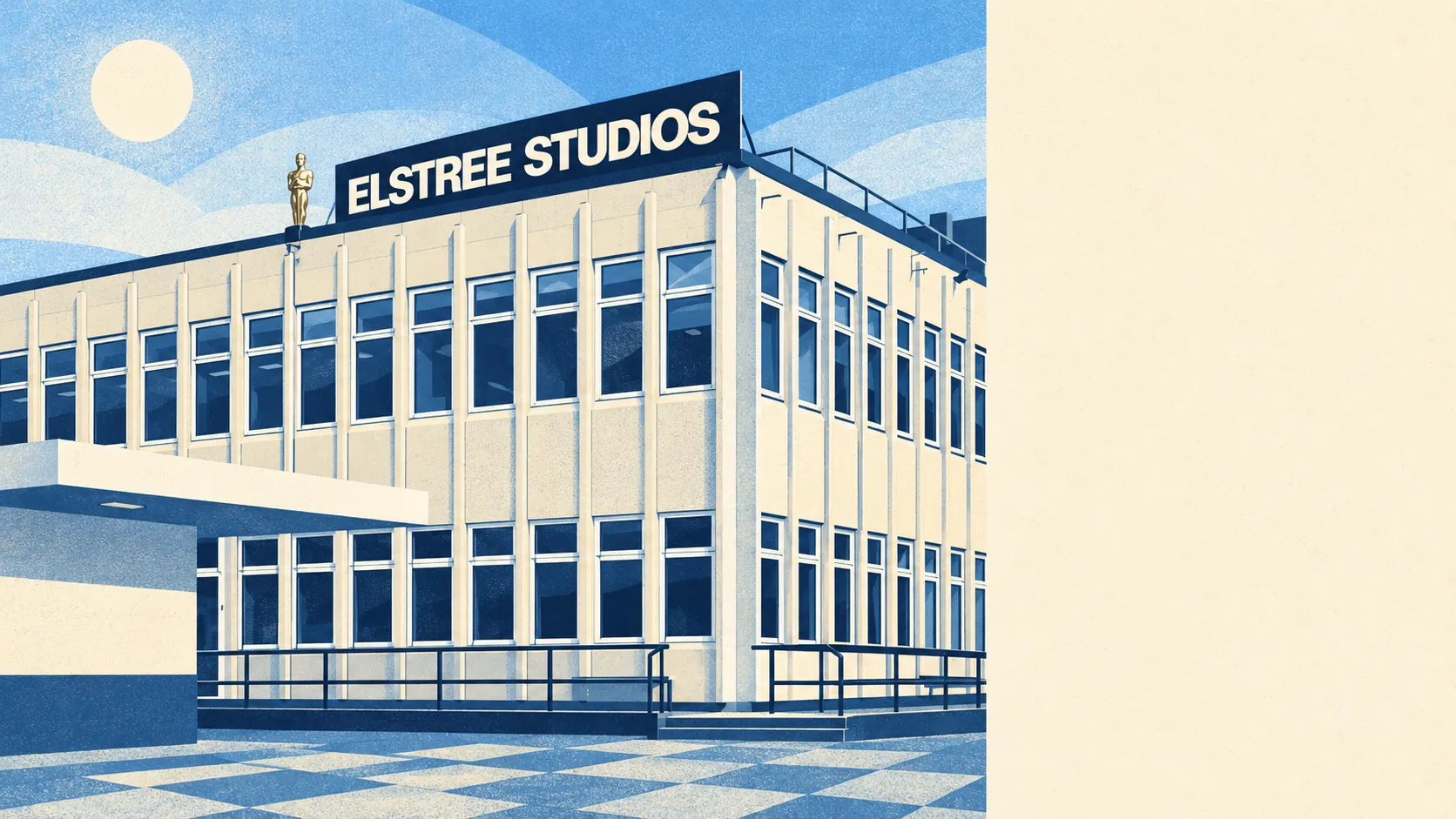
Borehamwood gets most things roughly right and one thing awkwardly wrong, because about a third of its postcodes carry a high flood rating on at least one measure. For a buyer, that fact shows up in the insurance quote long before any rain does. Everything else lands near the middle. There is a park within a short stroll of almost every front door, and the town is better at green space than its studio-car-park reputation would suggest.
Flood is the topic that changes the sums here, so the measure matters. Counted by postcode, 34% of Borehamwood carries a high rating on at least one flood indicator, surface water included, 30% a medium rating and 55% a low one. The Environment Agency's river-and-sea flood zones are far smaller. About 5% of the town is in Zone 2, about 1% in Zone 3, and 8% falls inside the wider zone the agency draws for a changed climate. Counted by property, the agency puts 67 homes at high risk from rivers and the sea, and no postcode here has a recorded historic flood. So the exposure comes mainly from somewhere other than a riverbank. In a town that built its name on special effects, the water that matters arrives the dull way, out of the sky and down the drains.
Police records for the twelve months from June 2025 to May 2026 put Borehamwood's crime rate at about 104 per 1,000 residents, roughly 13% above the Hertsmere average. The mix explains a good part of the gap. Anti-social behaviour makes up about 21% of recorded crime, against 16% across England and Wales, while violence and sexual offences, at 33%, run slightly below the national share of 35%. Hertfordshire Constabulary charged 11% of cases over the same year, close to the national 12%, and that is a force-wide figure covering the whole county. The town's excess is mostly nuisance, which is wearing to live beside and rarely what a buyer pictures when they hear the word crime.
Elstree & Borehamwood station is on the west side of town with Thameslink trains, yet at the 2021 Census only about 5% of working residents took the train to work. About 36% worked from home and 40% drove. The town has 188 bus stops, and 87% of those with timetable data get a weekend service, with around five buses an hour at a typical stop in the busiest hour. Gigabit broadband reaches about 89% of premises. The Department for Transport's 2019 modelling put the town centre about 15 minutes away by public transport, and bus timetables age faster than the roads they run on. A town with a mainline station that mostly commutes by car or by laptop has made its preferences plain.
After the Second World War the population grew fast, with large council estates built for displaced Londoners, and many of those homes are now privately owned. Today about 54% of households own their home, the typical resident is 38, and the Office for National Statistics models average gross household income at about £69,000 for the financial year to March 2023. The estates were sold off one front door at a time, and the ownership figure still shows where the selling stopped.
Borehamwood has 42 listed buildings, two of them Grade II* and the rest Grade II, and one conservation area, Elstree Village, inside its boundary. For most owners that means very little stands between them and an extension beyond ordinary planning permission. Most of the town went up too recently for anyone to campaign for it, which is good news for loft conversions.
The Land Registry's last twelve months, to May 2026, recorded 254 sales at a typical price of about £450,000. Flats went for around £302,000, terraced houses £475,000 and semis £580,000, while detached houses reached roughly £1,050,000 across just 14 sales. Band D is the most common council-tax band, and only about 14% of homes sit in Bands A or B. The Hertsmere council area, with its wealthier villages blended in, had a typical private rent of about £1,800 a month in April 2026, so Borehamwood's own rents may run either side of it.
Across every dwelling on the council-tax list, 33% are terraced, 33% are flats, 20% are semis and 10% are detached, with about 7% built before 1930. Post-war building dominates the certificated homes, and 61% of them reach energy bands A to C. About 78% of homes heat with mains gas, and around 10% rely on electric heating alone. In practice that means plenty of cavity walls and not much in the way of draughty Victorian charm.
Primary results look solid. The 13 primary schools in the town's postcode districts averaged about 105 on Key Stage 2 maths, and the four secondaries averaged an Attainment 8 score of 51. Cowley Hill School, Meryfield Primary School and Woodlands Primary School serve the primary years, with Hertswood Academy and Elstree Screen Arts Academy among the secondaries. Grange Hill was filmed at a school in the town from 1985 to 1990, so Borehamwood has form when it comes to making secondary education look more dramatic than it is.
On green space the town does very well. The nearest green space averages roughly 140 metres from a home, with about 28 within a kilometre, and water is about 410 metres away on average. Most residents can reach grass before the kettle boils, though they will need shoes.
Its history is odder than the retail park lets on. Sir Robert Holland was murdered here on 15 October 1328. From 1946 the Admiralty built secret electronic computers in a redundant wartime factory, first for gunnery control and later for code-breaking work for GCHQ. Ray Davies of the Kinks made his main home in the town during the 1960s. Studios have shaped the place since the 1920s, and the town's most famous outputs have always had someone else's name on them.
Borehamwood is right for a buyer who wants a house with a garden at less than the neighbouring villages charge, parks on tap and a station when they need one. Anyone who needs a pretty period street, or who cannot face flood questions on the insurance form, should look elsewhere.
The flood picture is the one buyers will feel most. A third of the town's postcodes are rated high on at least one indicator, which means some premiums go up and a few properties get harder to sell. Against that, a park around the corner and a perfectly ordinary set of everything else leave Borehamwood squarely mid-table, a town that does the job and keeps its problem in the gutters.