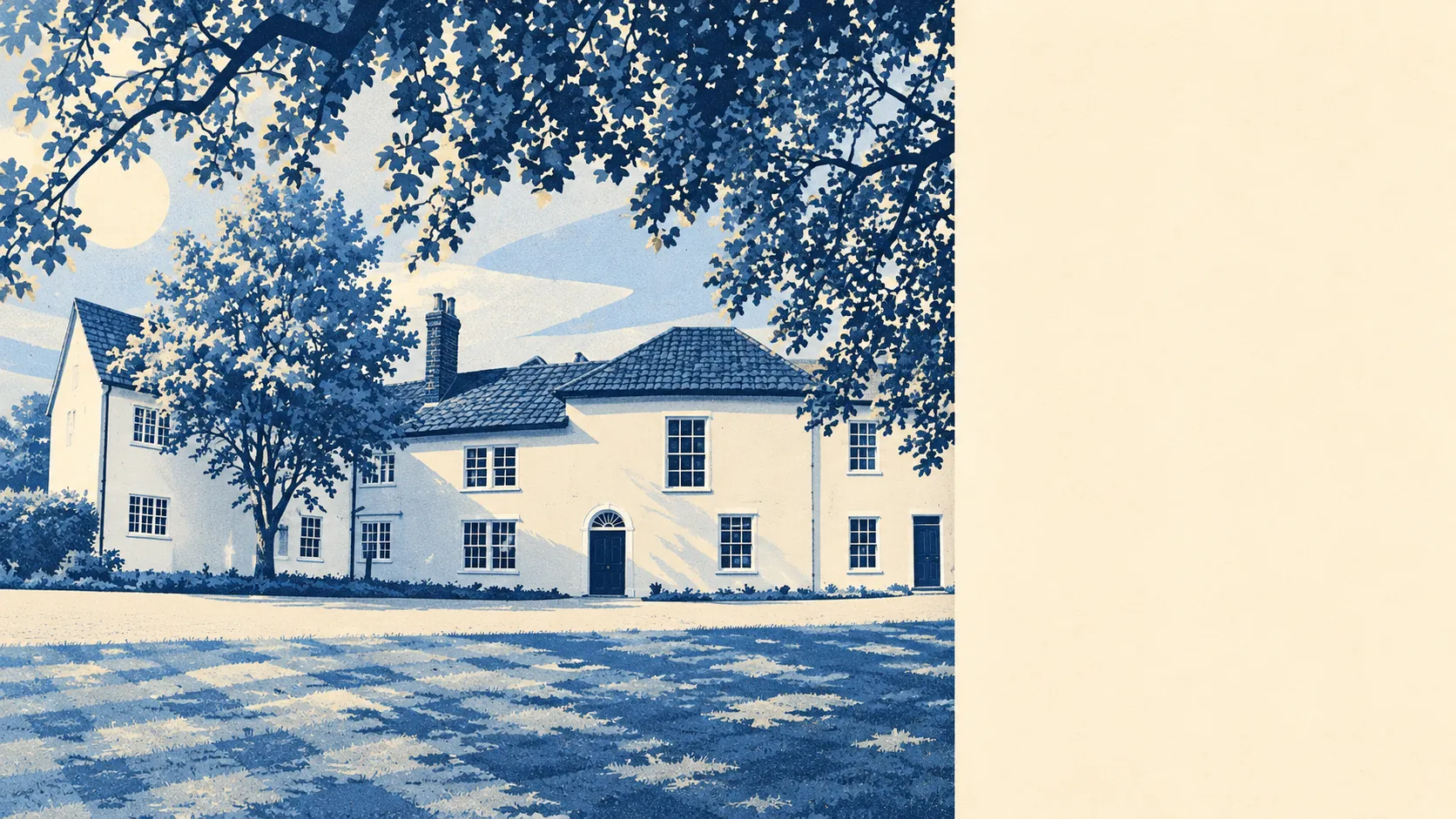
Yes, and with less heritage paperwork than most of London would put in front of you. Becontree has only a handful of listed buildings and one small conservation area, and nearly all of the interwar terraces are outside both. The neighbours apply to extend all the time. The main constraint is the clay underneath.
Historic England lists 15 buildings in Becontree. None is grade I, two are grade II* and 13 are grade II. Listing means almost any change, inside or out, needs listed building consent from the council as well as any planning permission, and that includes changes that would be permitted development on an ordinary house. Fifteen buildings across an estate of this size means the chance of buying a listed house here is small. The London County Council built for volume, and volume rarely gets listed.
There is one conservation area, Dagenham Village, the old core that existed before the estate was built around it. Inside a conservation area, the council considers how a change looks from the street with more care, and some work that would be permitted elsewhere can need permission there. Outside Dagenham Village, a Becontree terrace is subject only to the ordinary planning rules.
Owners here make full use of that. Between March 2024 and June 2026 there were 749 planning applications in the area, 287 of them in the last twelve months. Rear extensions, loft conversions and porches on an interwar terrace are proposals the council's planners will have seen many times before. Ask the council for the planning history of any house you are considering, which will show what has already been built and whether it was approved.
The British Geological Survey puts Becontree in class 3 for shrink-swell clay, and every part of the area reaches that class. Clay soils like this swell when wet and shrink when dry, and trees and dry summers make the movement worse. For an extension, that usually means deeper foundations than on firmer ground, and a structural engineer looking at the soil and nearby trees early, before the design is settled. The planning rules will rarely stop an extension here, but the clay still needs to be dealt with.
One listed building in Becontree is on Historic England's Heritage at Risk register. That means it is in poor condition, so any repair would attract grant support and close scrutiny. It matters to whoever owns it and is of little concern to someone buying an ordinary terrace nearby.
In practice, many single-storey rear extensions and loft conversions on a terrace outside the conservation area can go ahead under permitted development, subject to the size limits. Anything larger, anything on a listed building and anything visible inside Dagenham Village goes through full planning. Ask Barking and Dagenham council for a lawful development certificate if you want written confirmation that a plan does not need permission.
Freedom to extend is one of Becontree's real strengths: the planning rules are mostly ordinary, and the clay is the main thing to plan around.