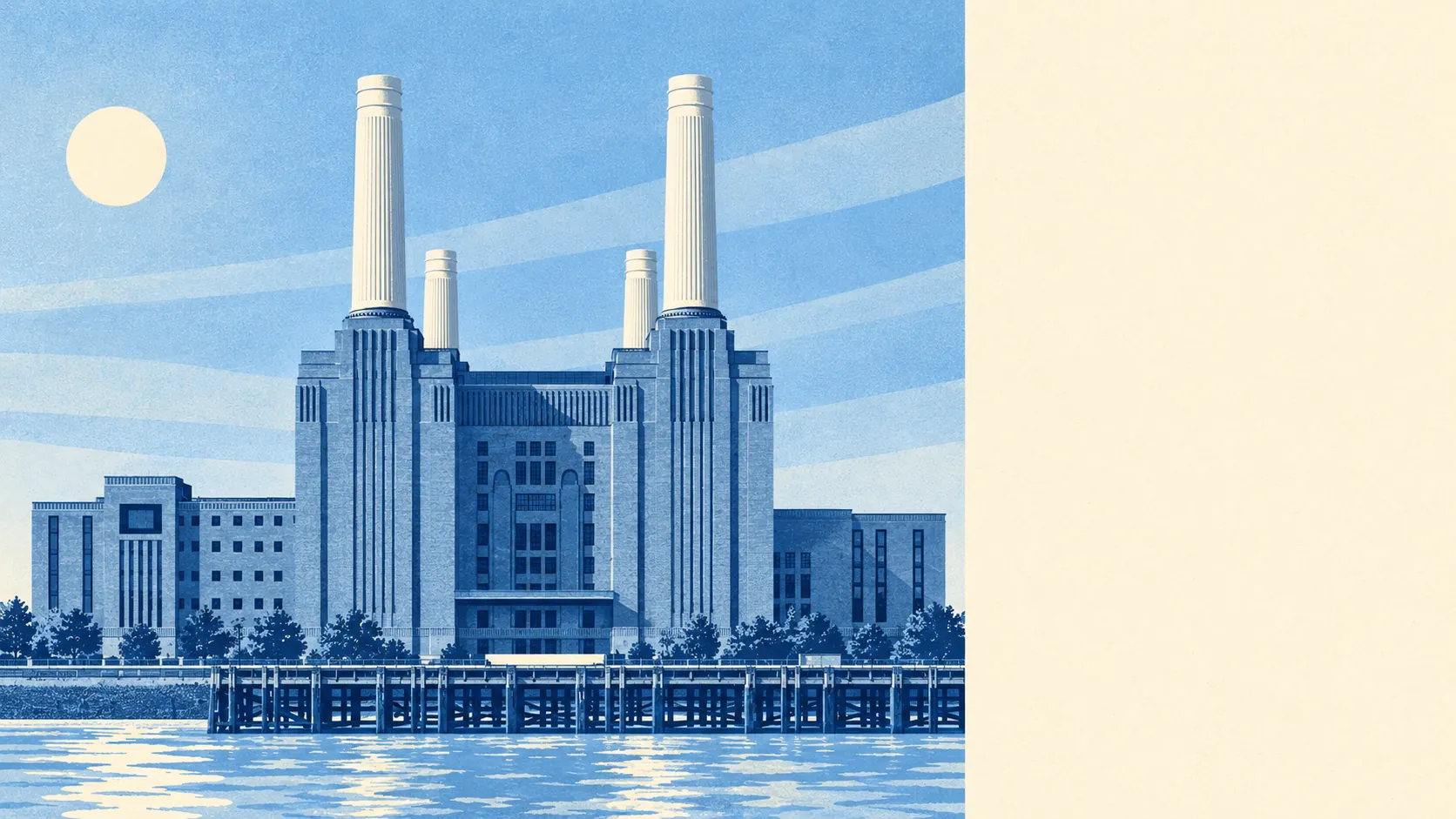
You can, with permission, and in Battersea getting that permission is most of the work. There are hundreds of listed buildings. More than thirty conservation areas lie in and around the district. Every postcode sits on shrinking and swelling clay. Most homes are flats, and a flat comes with far fewer automatic rights than a house.
Battersea has 435 listed buildings in and around the district. Two are Grade I, 39 are Grade II* and 394 are Grade II. Listing protects the whole building, inside and out, so changing windows, removing a chimney breast or knocking through a wall can all need listed building consent on top of any planning permission. Owning a listed house means getting sign-off from the council for work most owners would just book a builder for.
Even unlisted homes are often in a conservation area. There are 33 of them in and around Battersea, including Battersea Park, Battersea Square, Clapham Junction, Latchmere Estate and Park Town. A conservation area does not stop work, but it changes how work is judged. Front elevations, roof lines, boundary walls and materials all come under closer scrutiny, and work that would need no application elsewhere can need one here. Battersea was in the Domesday Book in 1086, and the paperwork has been piling up ever since.
Plenty of people still go ahead. The planning register lists 1,940 applications across the area between April 2024 and June 2026, 848 of them in the last twelve months. People in Battersea clearly do extend and alter their homes. The application count says how many tried, not how many were approved.
The ground needs as much attention as the paperwork. Every postcode in Battersea is rated class 3 for shrink-swell on the British Geological Survey's scale, the published hazard rating for clay that swells when wet and shrinks when dry. For an extension that usually means deeper foundations, and a structural engineer should look at the plans and the soil before the builder's quote is final. The house and the extension will move on the same clay, and the foundations should be designed so they move together.
Five listed buildings in and around Battersea are on Historic England's Heritage at Risk register. A building goes on the register because its condition is poor. That can bring grant money for repairs, and it brings close attention to any change. For an ordinary house nearby, it mainly means the conservation officers have plenty else on their desks.
Permitted development, the set of household changes that need no planning application, is narrower here than the national rules suggest. Conservation areas tighten it, listing overrides it, and flats, which make up most of the homes here, never had the full set in the first place. Ask Wandsworth Council two things in writing about the specific property: whether it is in a conservation area, and whether any direction has removed its permitted development rights. Those two answers decide whether a loft conversion is a simple job or the start of a long run of planning correspondence.
Battersea gives owners very little freedom to change their homes. Listing, conservation areas and clay all apply here, and the extra space is far easier to find in a house that already has it.