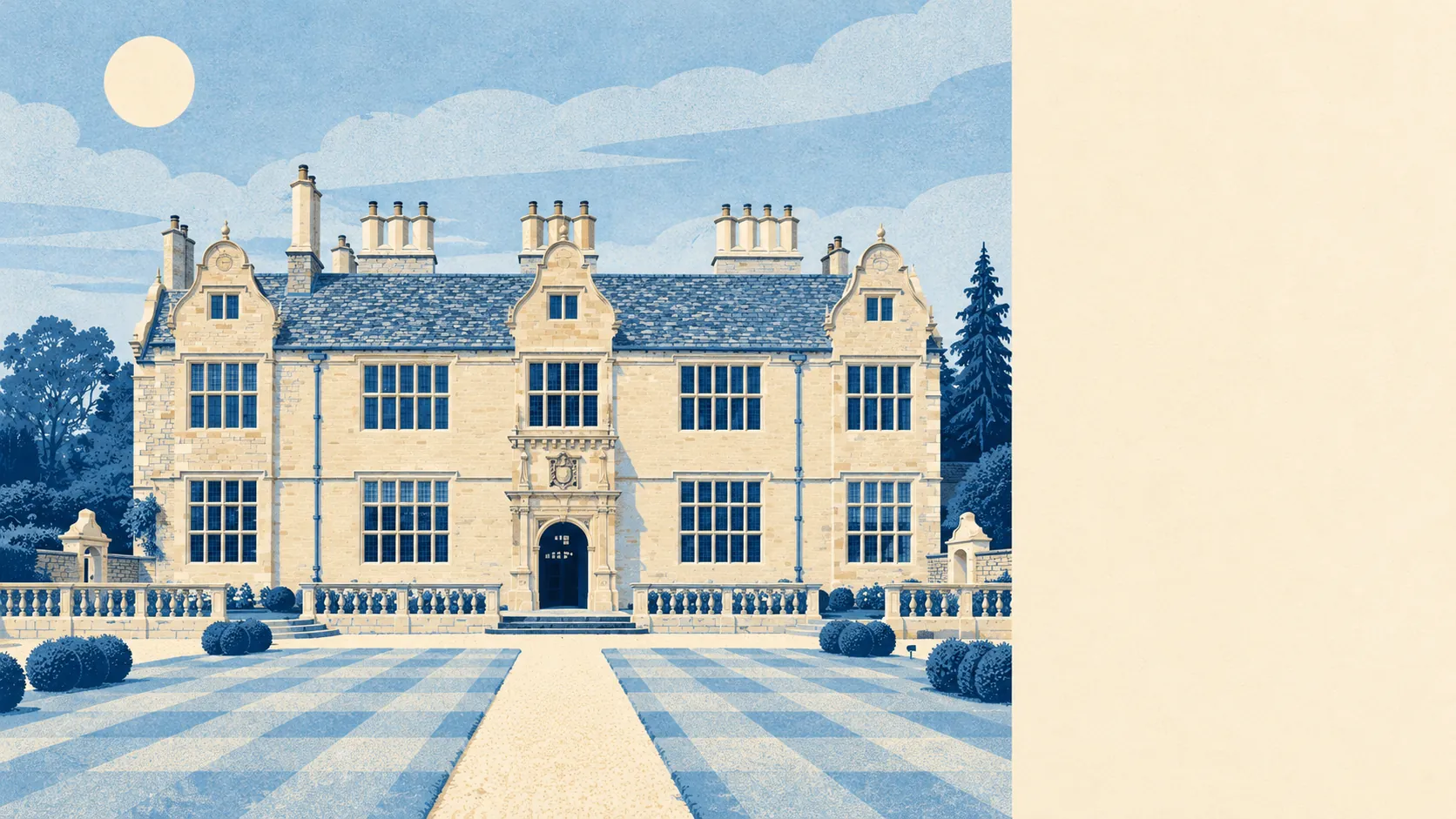
The area around Yarnton is green, wet in the good sense, and easy to get out into. A park or field is a couple of minutes from most front doors. Water is closer than most buyers expect. The gardens are generous. None of it carries a protected-landscape label, and none of it needs one.
On average, the nearest public green space is roughly 150 metres from a Yarnton home, with about 13 green spaces within a kilometre. That is close enough that the dog decides the route and the owner just goes along.
Water is about 180 metres from the average home, with around 40 bits of blue space, ponds, streams, ditches and lakes among them, within a kilometre. In a village this size, that is a lot of water to live near, and it is part of why the surface-water flood map is worth five minutes of anyone's time.
The National Cycle Network passes within about 240 metres of the average home, and about 90% of homes count as close to it. There is no ancient woodland inside the village.
Across the wider area's rated premises there are 105 shops, 25 pubs and just 3 restaurants. Pubs outnumber restaurants by a wide margin. Dinner out here mostly means a pub.
In 2024, fine-particle pollution across the Cherwell district averaged about 7 micrograms per cubic metre.
What gives the surroundings their character is what lies just over the parish edge. Yarnton Manor's grounds are a registered park and garden. Within an afternoon's walk or ride are Wytham, Wolvercote and the remains of Godstow Abbey, a Benedictine nunnery now a scheduled monument, along with the ring ditches and barrows on Port Meadow. Bladon, Begbroke, Cassington and Wolvercote with Godstow each have their own conservation area, and the Bladon hillfort and Blenheim Roman villa are scheduled monuments too. Yarnton is the plainer neighbour in a district full of old stones. Residents get to visit the heritage without having to apply for consent to change a window.
Private outdoor space is the part buyers rarely get told about. Across Yarnton's neighbourhoods there are about 155,000 square metres of private garden for every 1,000 residents. A village of semis and bungalows on post-war plots turns out to have a lot of lawn, and the mowing rota is the price of it.
The business rates list records 64 rateable premises in the village. The largest group is 26 offices, then 10 shops and 6 industrial premises. These are premises on the valuation list and say nothing about which are trading this week. The commercial life of Yarnton is mostly desks.
Fourteen food premises in the village have a hygiene rating, and about 86% of them hold the top score, with none at the low end. A small sample, and a clean one.
None of Yarnton falls in an area of outstanding natural beauty, a site of special scientific interest or ancient woodland. It is ordinary Oxfordshire edge-of-city countryside with no designation, and it delivers more green and more water than plenty of places that have one.
The surroundings are one of Yarnton's real strengths. Fields, water and a garden of your own are all close at hand, and the historic places nearby are a short walk away.