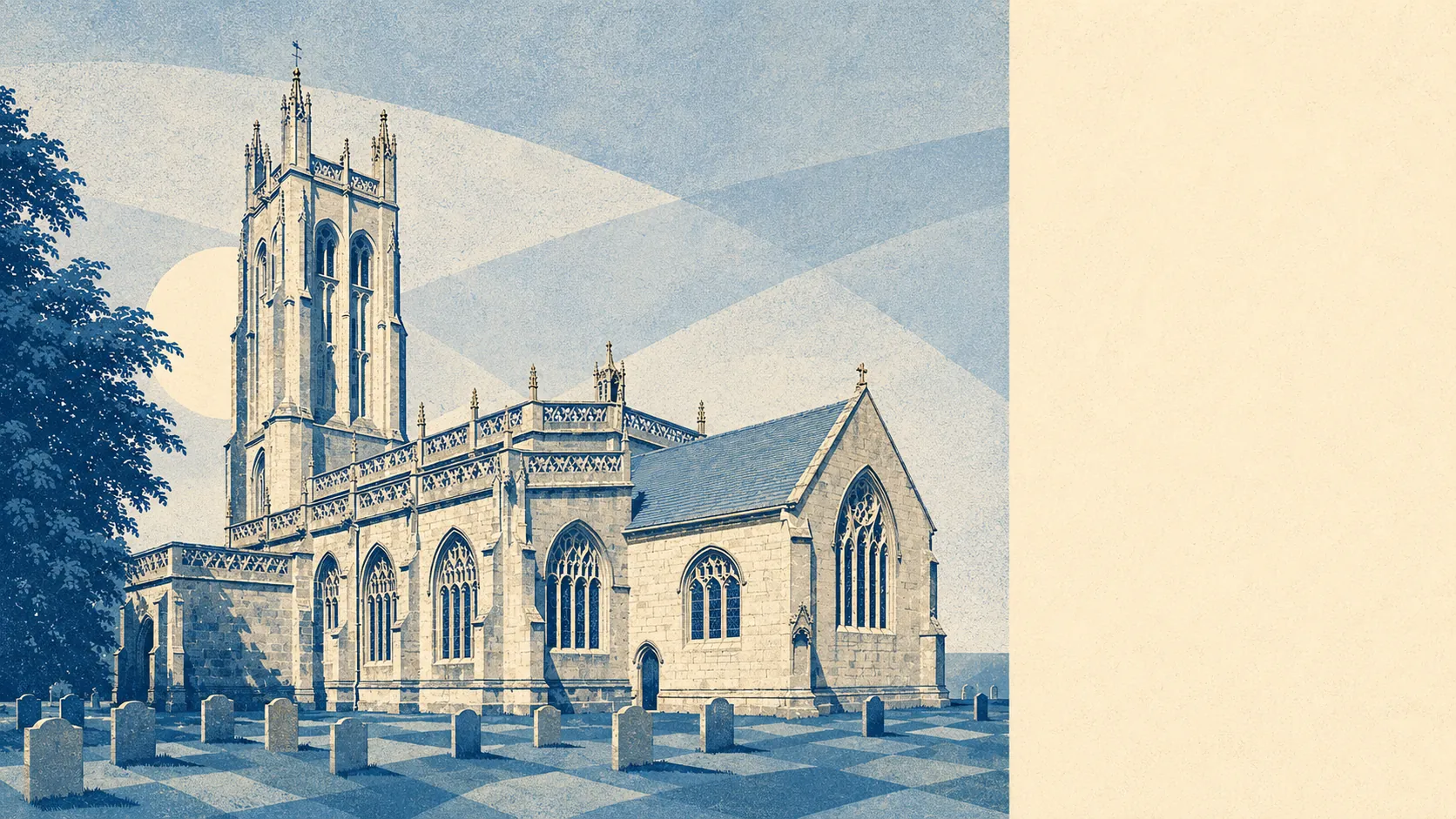
Green, old, and genuinely lovely, which is the one question about Wrington where the honest answer is also the flattering one. This is the northern edge of the Mendip Hills, and the surrounding area delivers the scenery that the house prices keep promising. Open countryside starts more or less at the doorstep. Ancient earthworks sit on the ridges. The whole thing is stitched together by lanes, villages, and a river valley rather than by anything resembling sprawl. If you came for the setting, the setting does not disappoint.
Start with the green space, because there is a lot of it and it is close. The average home here has around five separate green spaces within a kilometre, and the nearest is typically about four hundred metres away, which is close enough that a walk before work is a decision rather than an expedition. This is not a place where nature is a weekend drive. It is the thing outside the window and the reason the daily geography feels unhurried.
A sliver of the area even carries formal landscape protection, sitting inside the Mendip Hills protected landscape, one of the designated Areas of Outstanding Natural Beauty. It is only a small overlap by area, but it signals the character of the ground the village leans against. The Mendips are the backdrop to everything, and the protected status is a promise that the best of it stays as it is rather than sprouting new estates.
The texture of the wider area is villages and history rather than high streets and retail parks. The Congresbury Yeo threads the valley, and the land around it runs to the sort of names that turn up on heritage maps, with hillforts and long barrows on the high ground at places like Dolebury Warren and Cadbury Hill, and the deep cleft of Burrington Combe with Aveline's Hole cut into it. Grander landscapes sit within reach too, with the parkland at Tyntesfield and the smaller Barley Wood among the set pieces nearby. The neighbouring settlements, from Congresbury and Blagdon to Burrington and Redhill, share the same stone-and-fields register, so the area reads as a connected rural whole rather than a village marooned in traffic. What you do not get is bustle. There is no town centre pretending to be a city, and the amenity here is the countryside itself, walked and cycled and looked at, rather than shopped.
That is the trade the surroundings make. You give up the convenience of a proper high street on the doorstep, and in return you get hills, water, ancient ground, and open space in genuinely generous supply. For the buyers Wrington attracts, comfortable, settled, and happy to drive for the things a village cannot hold, that is not a compromise. It is the entire point.
The verdict is unusually easy to write. The area around Wrington is excellent, a top-drawer rural setting of protected hills, close green space, and quiet historic villages, and it is comfortably the best thing the place has to sell.