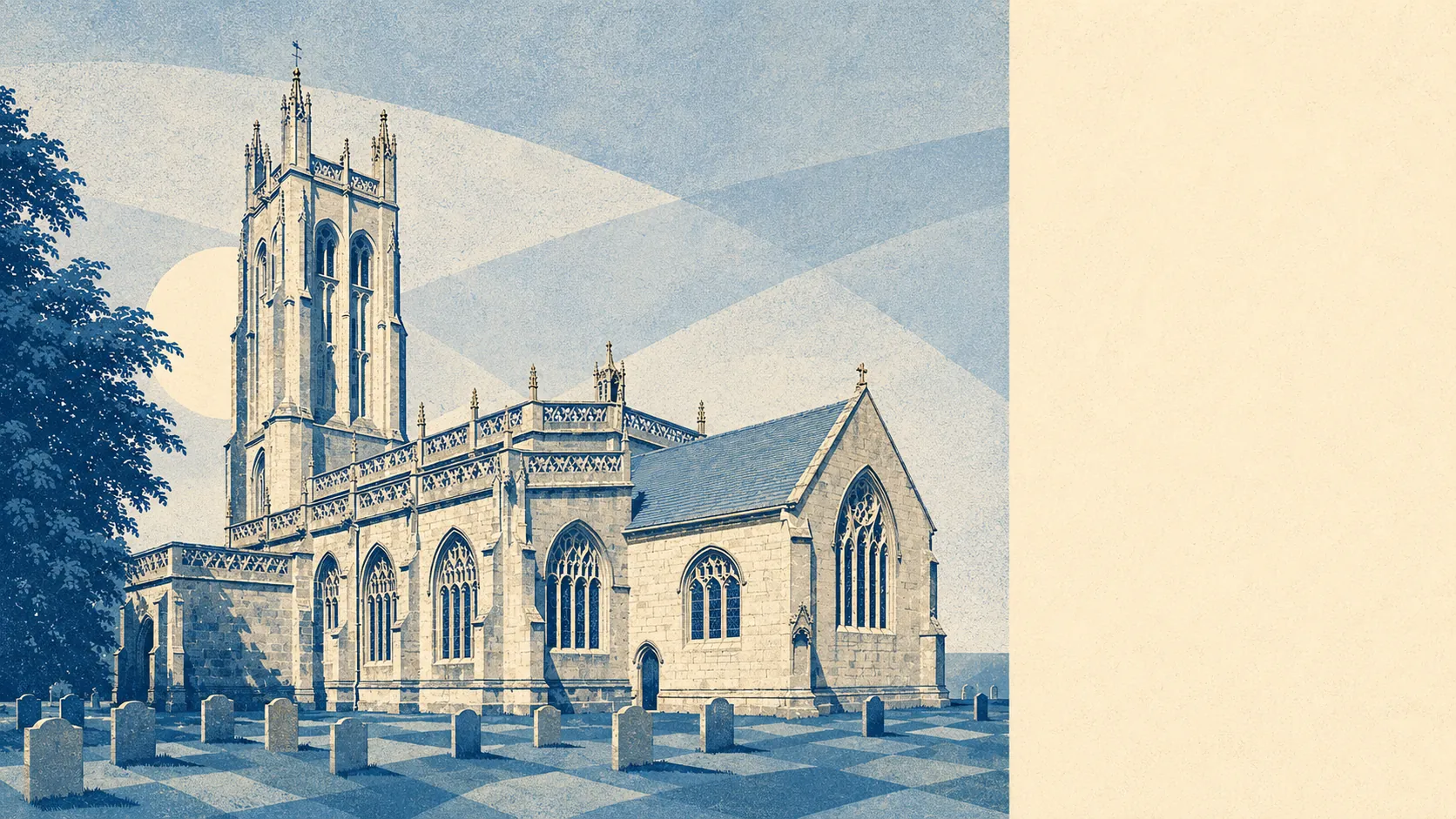
Sometimes, slowly, and often with a planner reading over your shoulder. Wrington is a heritage-dense village, and that is lovely to live in and awkward to build onto. The wider area carries around a hundred and forty listed buildings and five conservation areas, so a good share of the housing stock comes with strings attached before you have even sketched a rear extension. You can extend here. You just cannot assume you can extend the way you would somewhere with no history and no listings, and the older and prettier the house, the truer that becomes.
Start with listing, because it is the hardest constraint. Of the roughly a hundred and forty listed buildings in the area, a handful hold the top grade, around a couple of dozen sit at the middle grade, and the large majority carry the standard grade. If your house is one of them, listing applies to the whole building inside and out, not just the fancy front, and the sort of alterations you would elsewhere simply get on with become jobs that need formal consent. New windows, a different roofline, internal walls, even materials and finishes can all fall under it. The protection does not forbid change, but it does mean change happens on the building's terms and the planners' timetable, and unauthorised work to a listed home is a serious matter rather than a slap on the wrist.
Then there are the conservation areas, five of them across the wider area including Wrington itself, alongside Backwell Church Town, Backwell West Town, Lower Langford, and Chelvey. A conservation area does not freeze your house, but it does hand the council a stronger say over the things that shape a street's look, and it can trim back the everyday permitted-development freedoms that owners elsewhere take for granted. Demolition, larger alterations, and changes visible from the street get more scrutiny, and what would be a formality outside the area becomes an application inside it. The fifteen scheduled monuments dotted around the same ground add another layer for anyone unlucky enough to own land near one.
In practical terms, the split comes down to where your house sits and what it is. A plain, unlisted home outside the conservation boundaries keeps most of the usual permitted-development rights, so a modest rear extension or a loft conversion may not need full planning permission at all. A listed home, or one inside a conservation area, loses much of that freedom and leans on formal consent for the same work. The only safe move is to check the specific address before you buy the dream and the drawings, because the difference between two houses on the same lane can be the difference between a weekend project and a two-year negotiation.
The verdict is blunt. Your freedom to extend or alter a home in Wrington is on the restricted side, generous enough for a plain modern house and genuinely tight for the stone-and-listed stock that draws people here in the first place. Buy with your eyes open, and confirm the constraints before you fall for the beams.