Yes, provided you can afford to be this comfortable. Three in four households own their home. Four in ten homes are detached. The typical sale lands a shade under half a million. Nobody stumbles into Wokingham; they budget for it.
The detached house runs this town. On the council-tax valuation list about 40% of homes are detached, against about 17% semis, 15% terraces, 18% flats and 7% bungalows, and only about 8% were built before 1930. Most of Wokingham arrived after the war, in estates such as Woosehill and Dowlesgreen laid over farmland and Keephatch later still, which is why the buyer after sash windows and cornicing walks round for an afternoon and drives home to look at somewhere else. The energy certificates are respectable: about 63% of certificated homes sit in bands A to C, with about 7% in E or worse. About 82% of households heat with mains gas and about 8% rely on electric-only heating, which is a question for the second viewing rather than the first winter bill.
The Land Registry's twelve months to May 2026 recorded 523 sales at a median of about £480,000. The house type moves the price far more than the street does. Detached homes went for about £695,000, semis about £495,000, terraces about £415,000 and flats about £272,000. The official house price index had the average down about 3% over the year to May 2026, which nobody should mistake for a clearance sale. Council tax clusters in band D, only about 9% of homes are in bands A or B, and a band D bill runs to about £2,500 a year. About 42% of homes have four or more bedrooms, so the valuation list has usually heard about the extension before the neighbours have.
Renting is the minority sport. The typical private rent across the Wokingham area was about £1,480 a month as of April 2026, up about 4% on a year earlier, and that is a borough-wide average from the Office for National Statistics rather than a figure for the town alone. The same index puts one-bedroom homes at around £1,060 and four-bedroom-plus homes at around £2,330. Only about 14% of households rent privately, so tenants are shopping in a small market where the landlords know it.
Thames Valley Police recorded a published rate of about 49 crimes per 1,000 residents in the year from June 2025 to May 2026, roughly 3% above the Wokingham local authority average of about 48. That gap is the width of a rounding error. Shoplifting accounts for about 11% of recorded crime here against about 8% across England and Wales, the usual tax on a town centre with shops in it. The less comfortable number belongs to the force, not the town: Thames Valley Police charged in about 9% of cases over the same year, against about 12% nationally. Crime is uncommon here, but when something does get pinched, the odds of anyone answering for it are thinner than the house prices suggest.
Wokingham station sits where the Waterloo to Reading line meets the North Downs Line, with Winnersh, Winnersh Triangle, Crowthorne and Bracknell stations also in reach. At the 2021 census about 2% of workers commuted by train, about 35% drove and about 54% worked from home, and the kitchen table has kept a fair share of those jobs since. Broadband backs the home workers up: gigabit-capable connections are available to about 91% of the area and superfast to about 99%, and every part of it gets 4G or 5G from at least one operator. There are 195 bus stops, averaging about 36 weekday departures each. The A329(M) takes the drivers to the M4, the route the town has quietly been built around.
Flood risk is the weak spot, and it needs reading carefully. About 20% of postcodes carry a high rating on at least one flood indicator, surface water included, with about 20% more at medium and 36% at low. The Environment Agency's river-and-sea flood zones are a different and much narrower measure: about 1% of the area sits in flood zone 3 and about 2% in zone 2. The gap between those two measures is mostly surface water, which varies street by street. The Emm Brook runs through the town, the flood record holds 41 recorded events, and the latest, in July 2007, came from a main river whose channel ran out of room. Green space is the compensation. The average home is about 170 metres from the nearest green space, with about 21 within a kilometre, and water of some kind about 440 metres away.
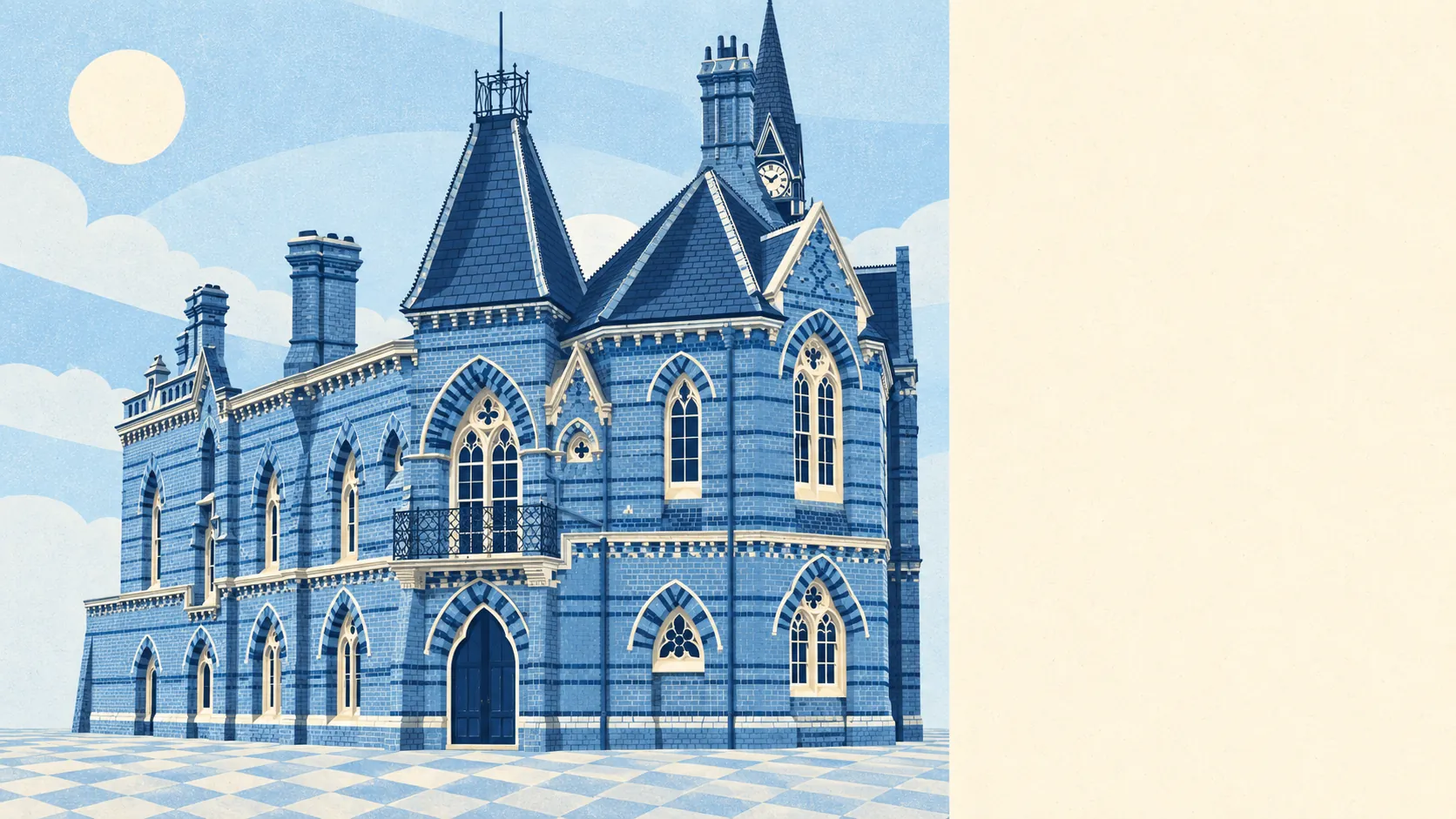
There are 209 listed buildings: one at Grade I, 20 at Grade II* and 188 at Grade II, plus one conservation area. The Town Hall, the Red Lion pub and the Henry Lucas Hospital are on the list, along with a run of houses on Rose Street, where some of the Tudor silk-trade cottages still stand. Their owners worked from home four centuries before it had a hashtag. Buy one of those and the windows and the render become a matter of public interest. Buy one of the post-war homes and the only person with a view on the loft conversion is next door.
About 75% of households own their home, the median resident is 42, and average household income across the area was about £82,000 before tax in the financial year to March 2023. Nearly half the adults, about 48%, hold a degree, and about 88% of residents report good or very good health. On the government's deprivation index the neighbourhoods average out in the second-least-deprived tenth of England. The property ladder was climbed here some time ago and has since been turned into a garden office.
This page also covers Barkham and Finchampstead, the villages the built-up area has spread into to the south-west and south, where the lanes get longer and the hedges get taller.
Wokingham suits families who want a detached house with room to extend and a market-town centre they can walk into, in a borough where Ofsted has graded 22 of 24 settings good or outstanding, four of them outstanding. It suits the home worker with a fibre line and a reason to go into Reading twice a week.
It is the wrong town for a first-time buyer hoping the market square comes at first-rung prices, and for anyone set on period ceilings. Reading and Bracknell give that buyer more town for the money, and that trade is honest in both directions.
The Wokingham Blacks, a band of ruffians with blackened faces, ended up with an Act of Parliament named after them in 1723. The town's list of notable people now runs to Thomas Bradley, chaplain to King Charles I, the composer Luke Bedford, the arts broadcaster Kate Bryan and the television presenter Matt Allwright, with Nicholas Hoult and Dick Francis also on it. From a gang with its own legislation to a list of composers and broadcasters is about as smooth a climb as an English town makes.
Wokingham is a good place to live, comfortably above average and priced to match. Its real strength is the local community: settled owners, healthy residents and some of the least deprived neighbourhoods in England. The weak spot is flood risk, surface water above all, so check the individual postcode before the individual kitchen. The buyers who budgeted for the drains as well as the extension are the ones still smiling a few winters in.