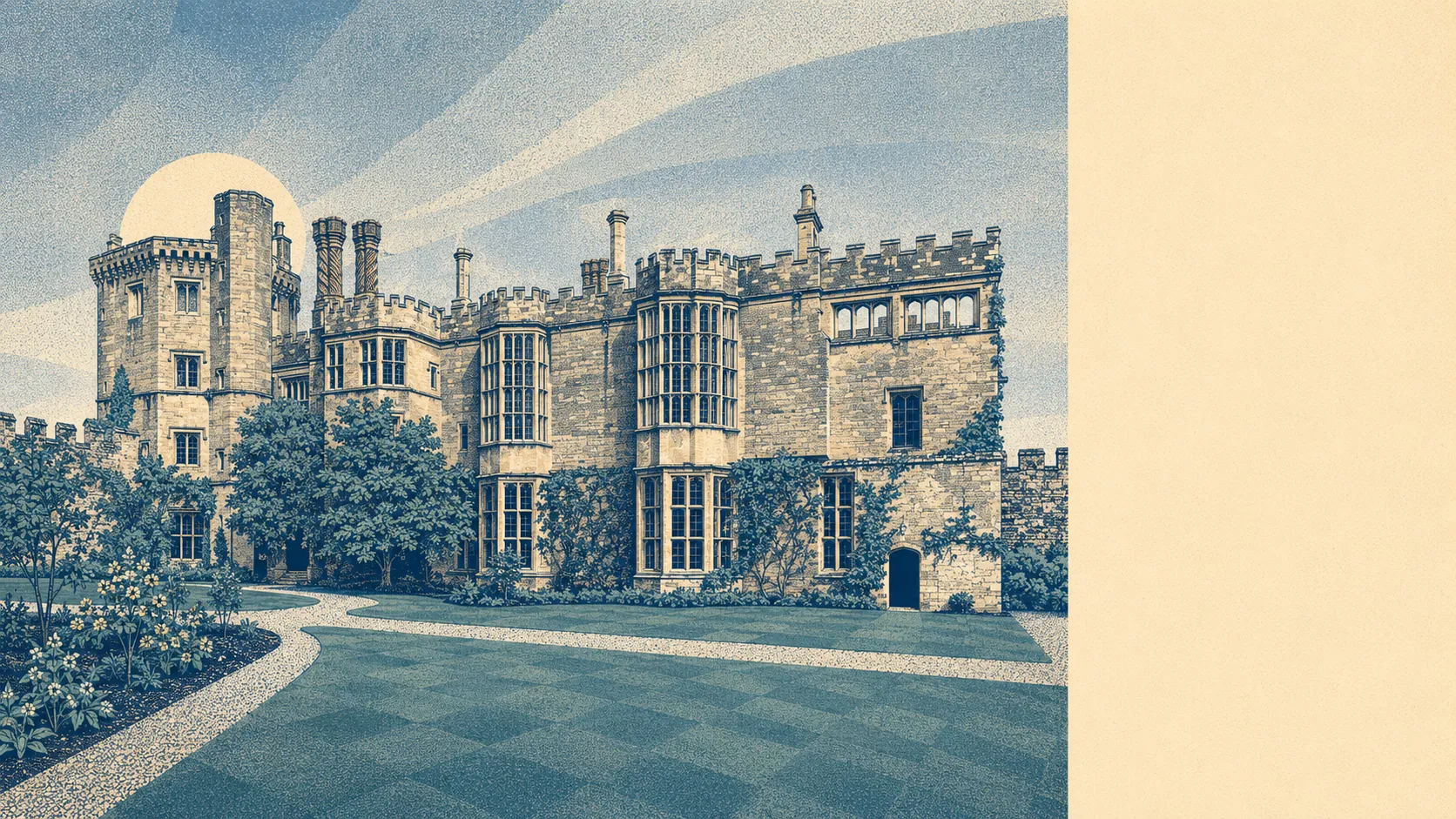
Yes, you can extend a house in Thornbury, as long as you have not bought one of the historic ones. The town holds over a hundred listed buildings and a conservation area wrapped around its old core, and inside those the rules tighten sharply. Step outside them, onto the post-war and modern streets that make up most of the town, and the usual permitted-development freedoms apply. Around three hundred planning applications go through here in a typical year, so the council is well used to processing changes. The answer, in short, depends entirely on which Thornbury your house sits in.
Start with the listed buildings, because they are where freedom goes to negotiate its terms. There are over a hundred of them, and while the great majority carry the lowest grade of listing, four hold the top grade and another handful the middle one. Listing does not freeze a house in amber, but it does mean that almost any material change, inside as well as out, needs formal consent before you lift a tool. Replacing windows, altering a roofline, knocking through internally, even changing what looks like a cosmetic detail, all become a conversation with the conservation officer rather than a trip to the builders' merchant. Buy a listed home for the character and you accept that the character now has a legal guardian.
The conservation area adds a second layer over the town's historic centre. There is one such area, covering the old streets, and within it the normal permitted-development rights are trimmed back. Works that would be nobody's business on a modern estate, a new porch, a side extension, the felling of a decent tree, can all require consent inside the boundary. The point of the designation is to keep the old core looking like the old core, which is pleasant to live in and slower to alter. Whether your house falls just inside or just outside that line can change your project entirely, so the boundary is the first thing to check, not the last.
In practical terms, most Thornbury homes are neither listed nor inside the conservation area, and for them the ordinary rules hold: modest rear extensions, loft conversions and the like often proceed under permitted development, while anything larger goes in as a full application, the same as anywhere else in England. The council processes hundreds of these a year without drama, so the system is a queue rather than a wall. The friction is concentrated on the old and the protected, not spread across the town. The sensible move is to establish your specific property's status before you fall for a house on the strength of the extension you are already drawing in your head. Assume nothing from the street, because the house next door may play by different rules to yours.
Your freedom to extend in Thornbury is middling: wide open on the modern majority, genuinely constrained on the heritage minority. Check the listing and the conservation-area line for the exact address, and you will know which town you are buying into before the architect does.