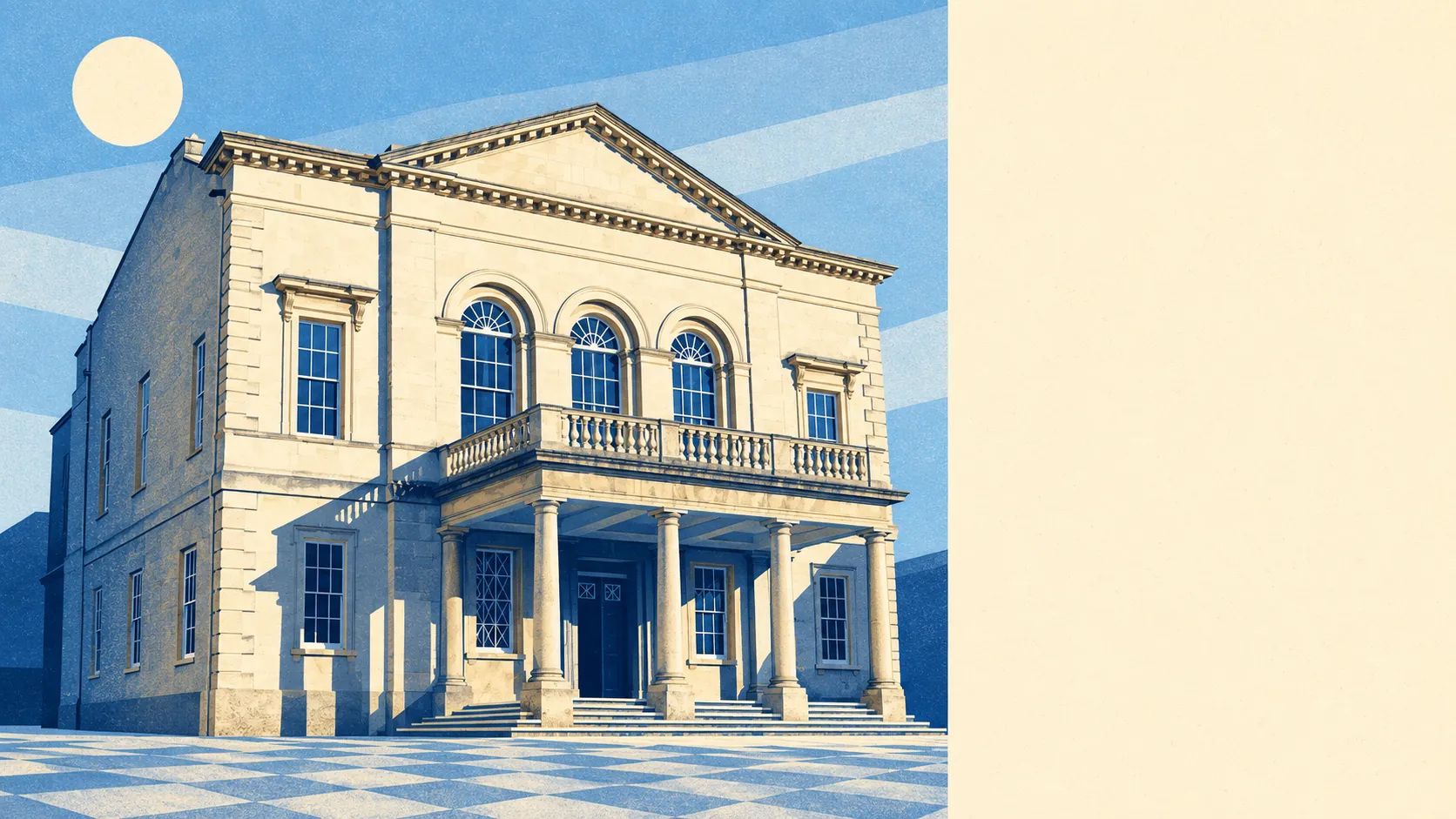
You can extend a house in Stroud, but in much of the town you will be asking permission first. There are hundreds of listed buildings. Eight conservation areas cover the centre and the old mill country. The neighbours keep sending in planning applications anyway. Expect paperwork before you get anywhere near the builders.
Stroud has 480 listed buildings: three at Grade I, 18 at Grade II* and 459 at Grade II. Listing protects the whole building, inside and out, along with things attached to it, so a new window, an internal wall or a rear extension on a listed house needs listed building consent on top of any planning permission. Carrying out the work without consent is a criminal offence and not merely an awkward conversation. Most of the 459 are Grade II, and that is the grade ordinary buyers end up owning.
There are eight conservation areas in and around the town: Stroud Town Centre, Stroud Top of Town, Stroud Station, Stroud Industrial Heritage, Ebley Mills, Lodgemore and Fromehall, Stratford Park and Randwick. Inside them, demolition, some changes to the front of a house and work to trees can all need consent that would be automatic elsewhere. Lord John Russell, Stroud's MP from 1837 to 1841, later helped push through the Reform Act of 1867, which gave the vote to every urban male householder. A good share of Stroud's householders now need a vote from the planning committee before they can change a front door.
One scheduled monument falls within the area, the strictest tier of protection, and it matters mainly to anyone with land on or right next to it.
None of this has stopped people trying. Between April 2024 and June 2026 the planning register logged 2,742 applications across the area, 1,193 of them in the last twelve months. That volume shows homes here really do get altered, and gives no clue how many of those applications were approved.
Two listed buildings in the area are on Historic England's Heritage at Risk register. Those are buildings in poor condition, where repairs may qualify for grant support and will certainly be watched closely. For anyone buying an ordinary house down the road, they are a sign that the area takes its old buildings seriously, and nothing more.
In practice, a house that is unlisted and outside every conservation area still keeps the usual permitted development rights for modest rear extensions and loft conversions, subject to the national limits. A small part of the area also falls inside the Cotswolds Area of Outstanding Natural Beauty, where some of those rights are tighter. Ask Stroud District Council whether the house is listed, inside a conservation area or under any extra controls, and whether the extensions already built had consent. A conservatory put up without consent becomes the new owner's problem the day the sale completes.
Your freedom to change a house in Stroud is limited: plenty of homes can be extended, but a large share of the town needs consent first.