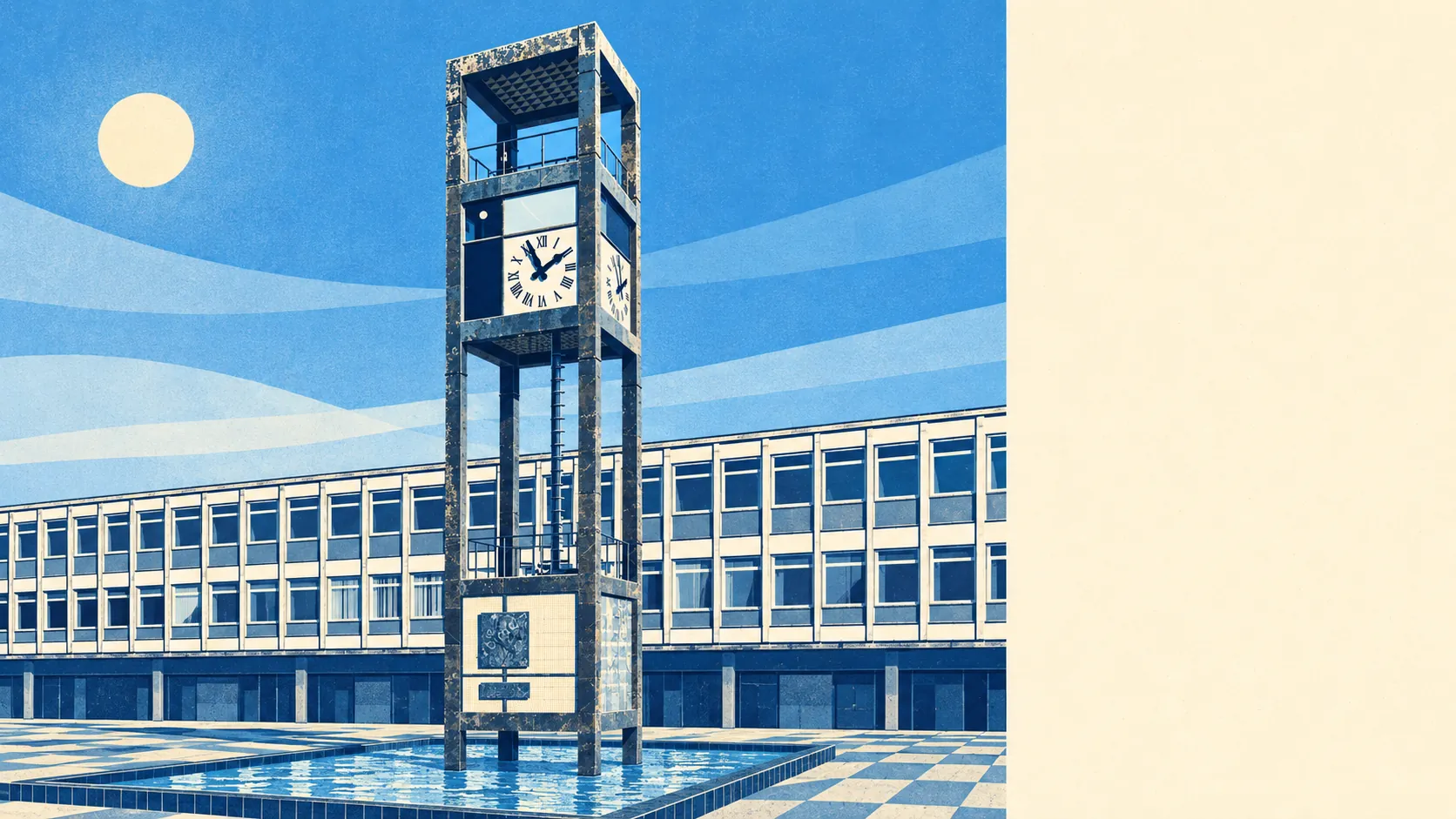
You can extend most houses in Stevenage, though the town has more heritage rules than a New Town ought to. The wider area has nearly two hundred listed buildings. It has eleven conservation areas. Its neighbours file well over a thousand planning applications a year. Most of the post-war housing is fairly free to change, and the old parts are not.
Across Stevenage and the area mapped around it there are 178 listed buildings: 3 at Grade I, 15 at Grade II* and 160 at Grade II. Listing covers the whole building, inside and out, so replacing windows, taking out a wall or extending all need listed building consent from the council, and carrying out the work without consent is a criminal offence. Grade II is the commonest grade and still the one people trip over, because it covers the interior as well as the frontage.
The same area has 11 conservation areas, including Old Town High Street, Orchard Road, Shephall Green and Broadwater (Marymead), with Graveley, Aston and Old Knebworth further out. Inside one, demolition needs consent, and alterations to the outside of a house get much closer scrutiny than they would a street away. Even the Town Square, the centre of Britain's first New Town, is a conservation area, so the town built to replace the old is now protected from replacement itself. Stevenage Borough Council publishes its conservation area boundaries, and checking which side of a line a house is on takes five minutes and decides more than any survey.
There are 5 scheduled monuments in the area, among them the Six Hills Roman barrows and the Whomerley Wood moated site. Scheduling is the strictest protection there is, and it matters mainly to anyone digging on land next to one.
None of this has stopped people altering their homes. The council's register shows 4,109 planning applications across the area between April 2024 and June 2026, 1,741 of them in the last twelve months. Plenty of Stevenage households are adding rooms, loft conversions and porches. The paperwork is busier than the reputation suggests.
One listed building in the area is on Historic England's Heritage at Risk register. That means a building in poor condition, whose repair may qualify for grant funding and will be watched closely by the conservation officers. A buyer of an ordinary house nearby is not affected by it.
For most homes in Stevenage, the practical position is simple. A house outside a conservation area and not listed usually keeps its permitted development rights, so a modest rear extension or loft conversion can often go ahead without a full planning application, though large projects still need one. Flats have no such rights. A listed house needs consent for almost everything, and a house in a conservation area loses some of the freedoms its neighbours keep. The rules that apply depend on the specific house, and the same extension can need very different paperwork on Orchard Road and on an estate in Great Ashby.
Freedom to alter a home is tighter here than most buyers expect from a New Town. The old streets, the villages and even the town centre come with conservation rules attached, and the freedom mostly belongs to the estates in between.