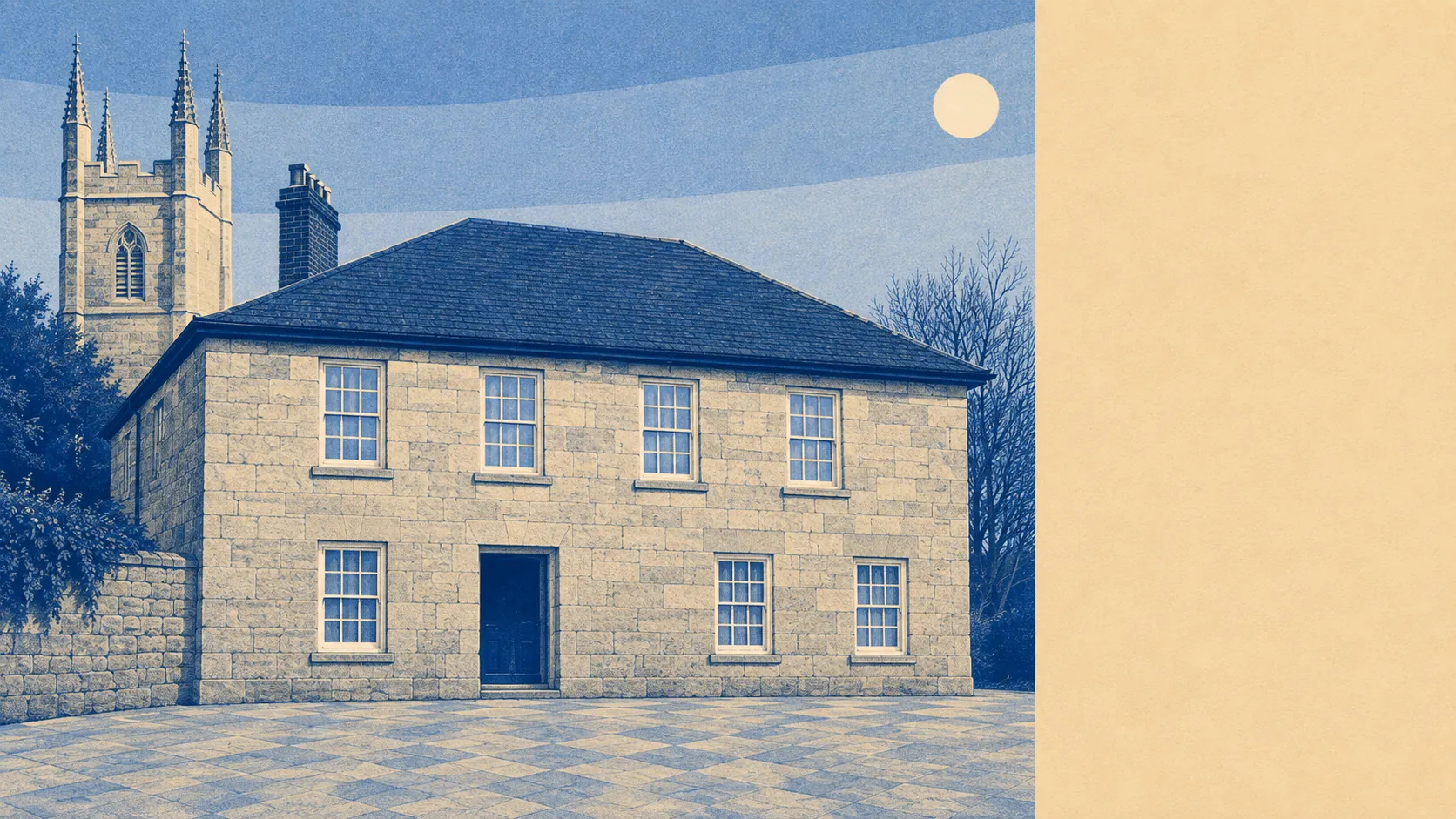
Yes, and with less heritage paperwork than a Cornish village usually throws at you. No conservation area covers the place, so ordinary homes are not sitting under an extra layer of consent. Protection here attaches to specific buildings rather than to whole streets. Plenty of neighbours are visibly getting on with work of their own. The complication in this village is not what the planners think of your kitchen. It is what previous generations did to the ground underneath it.
There are 28 listed buildings in the area: 1 at grade one, 2 at grade two star and 25 at grade two. Listing attaches to a building rather than to a postcode, so it either applies to your house or it does not. Where it does, it covers the whole building inside and out, and listed building consent is needed for alterations affecting its character, including changes that would be waved through anywhere else. Windows are usually where that conversation starts and rarely where it ends.
Three scheduled monuments sit within the area. That is the strictest protection tier there is, and it matters mainly to anyone whose land runs up against one, since works affecting a scheduled monument need their own separate consent rather than ordinary planning permission.
The live evidence is that people here do alter their homes. Planning records show 811 applications across the area between April 2024 and June 2026, of which 348 came in the last twelve months. That is not a village preserved in aspic by a nervous committee. It is a place where extensions, garages and loft conversions are routine paperwork rather than a campaign.
The ground is the part worth taking seriously. Around 93% of postcodes here have a recorded abandoned mine working nearby, averaging about 2 within 500 metres, with the nearest averaging about 210 metres away. Seven postcodes sit directly above a recorded working. None of that means a house is unsafe or that anything is going to move, and this is not a coalfield, but it does mean a mining search is a normal part of buying here and a specialist report is sometimes asked for on top. Lenders and insurers occasionally want to see one before they commit, so the sensible order is to raise it with a solicitor early rather than three weeks before exchange.
One listed building in the area appears on Historic England's Heritage at Risk register. That describes a building in poor condition, where repairs may attract grant support and will certainly attract scrutiny, rather than anything that affects the buyer of an ordinary house down the lane.
In practice, most homes here fall under the same permitted development rights as anywhere else, with a normal planning application for anything beyond them. The questions that decide your particular case are whether the building itself is listed, whether the site borders a monument, and what the mining search comes back with. Those are all answerable before you make an offer, which is a considerably better time to ask than after.
Freedom to alter a house here sits in the middle: unusually unencumbered by heritage designations for a village with this much history above ground, and quietly complicated by the history below it.