Shenley wants nearly £600,000 for a typical home, and that price is the hardest thing about living here. It sets the size of the deposit and how many years you'll be paying it off. Most of what the money buys is worth having, though. Crime runs at about half the borough's level, a park starts a short stroll from most front doors, and seven in ten households own their home.
The Land Registry recorded 32 sales in Shenley in the year to May 2026, at a median of about £598,000. The 13 detached houses went for a median of £730,000, the eight semis for about £562,000 and the ten terraces for about £474,000. Band D is the most common council-tax band, and bands A and B together cover about 5% of homes. The cheapest way in is a terrace at almost half a million, and the council-tax list confirms there's very little underneath it.
Renting doesn't get you out of the bill. Hertsmere Borough Council's area has a typical private rent of about £1,800 a month. That's a figure for the whole borough, so Shenley's own lettings could come in above or below it.
Shenley Hospital opened in 1934 on the old Porters estate. When it closed in 1998, much of the site was demolished, and the housing that replaced it more than doubled the village. You can still see it in the stock. On the council-tax valuation list, about 31% of homes are detached, 29% terraced, 24% semi-detached, 12% flats and 3% bungalows, and only about 16% were built before 1930. About 82% of homes heat with mains gas. Of the homes with an energy certificate, 47% rate A to C, 43% sit at D, and about 10% are E or worse. That's why so much of Shenley looks younger than its war memorial.
Police.uk recorded about 46 crimes per 1,000 residents in the year to May 2026. That's roughly half the Hertsmere average for the same period. With totals this small, a handful of incidents can shift the mix between crime types quite a bit, so the headline rate is the figure to go on.
The Environment Agency puts none of Shenley in its river-and-sea flood zones 2 or 3. The postcode indicators, which include surface water, tell a different story. About 16% of postcodes carry a high rating on at least one measure, and about 18% a medium one. With no river nearby, the risk on the worst-rated streets comes from rain.
The railway belongs to the neighbours. Radlett and Elstree & Borehamwood are where the trains stop, and at the 2021 Census only about 2% of working residents went to work by train. About 42% drove and 46% worked from home. Shenley's 20 bus stops each average about 28 weekday departures, about one an hour at peak, and 18 of them have a weekend service. Gigabit broadband reaches about 90% of premises. Nearly half the village got round the commute by not making it, and the broadband is what lets them.
About 70% of households own their home, and the median resident is 43. The Office for National Statistics models median gross household income at about £71,000 for the financial year to March 2023. That's before tax and averaged across the wider statistical area, not counted door to door. More than half of households run two or more cars, which tells you what residents think of the bus timetable.
Shenley has 24 listed buildings: one at Grade II* and 23 at Grade II. The Shenley Village conservation area covers the old core. Inside it, changes to windows, doors and frontages need more consents and more patience than on the newer streets. St Botolph's, the medieval parish church, was made redundant in 1972 and is now a private home. Somebody in Shenley has to ask permission to change the windows on the church they live in.
Ofsted's figures for Hertfordshire cover the whole county: 203 of 227 graded settings are good or better, and 40 are outstanding. That's a very large area to average a school run across, so it tells you little about any one classroom. Closer to home, the two schools in the postcode district averaged a Key Stage 2 maths score of 101. Shenley Primary School is one of the named primaries nearby. The Department for Transport's 2019 modelling puts the nearest primary about 11 minutes' walk away and a secondary about 25 minutes by public transport or 12 by car.
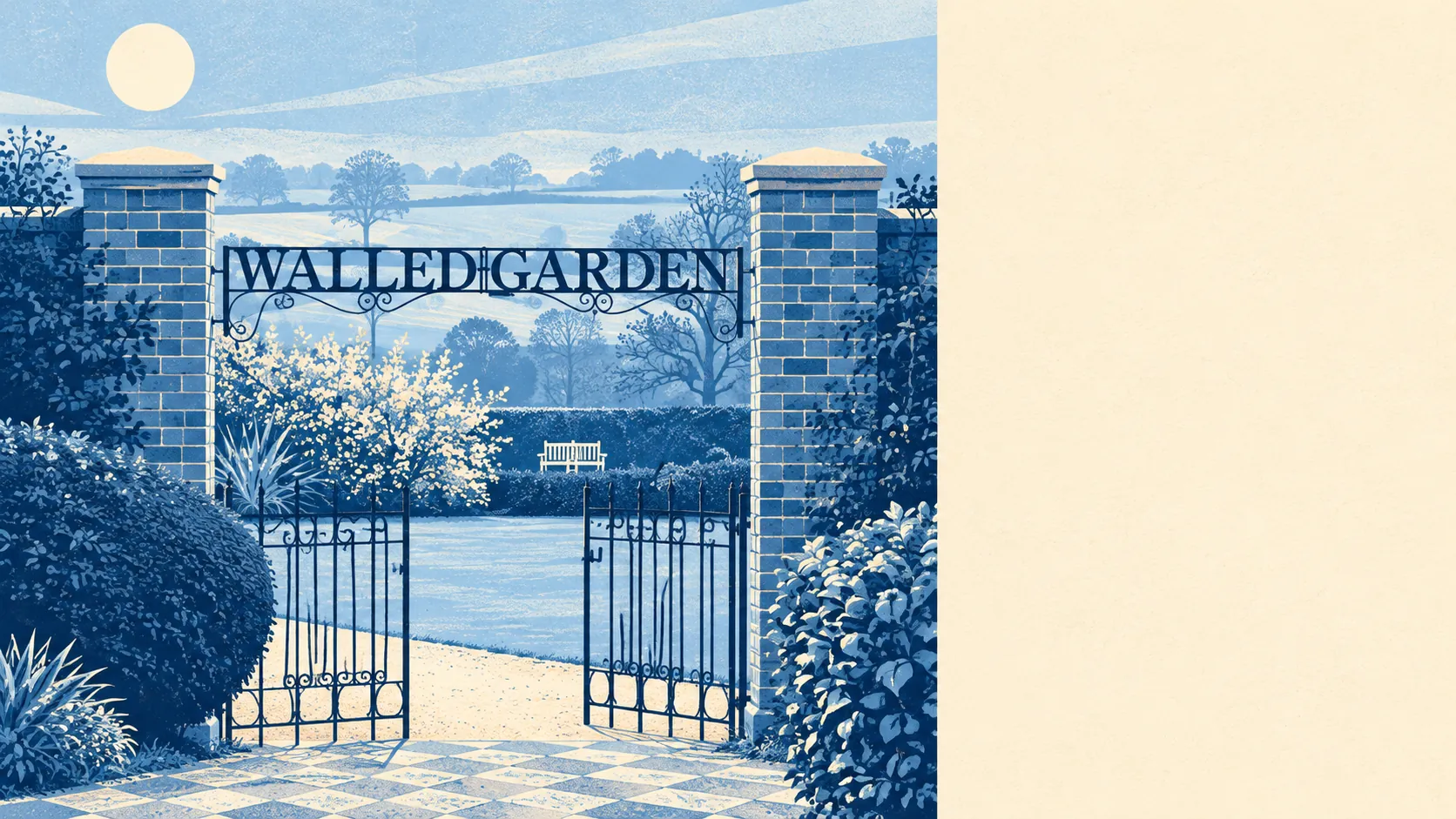
This is where Shenley earns its price. Green space is on average about 98 metres from a front door, with about 15 green spaces within a kilometre and water about 360 metres away. When the hospital site was redeveloped, Shenley Park came with it. The orchard and spinney were kept for walking, the tennis courts were rebuilt, and the walled garden was landscaped. King George V and Queen Mary opened those grounds for a hospital. They now belong to dog walkers.
Shenley is right for buyers who drive or work from home, want a park within sight of the house and low crime figures, and have the equity to clear the entry price. Anyone who needs a train from their own village, or a home in the low council-tax bands, should look elsewhere.
The price buys the park, the orchard and the low crime in one go, and none of it comes cheap. Even the cheapest terrace costs close to half a million. If that number works for you, Shenley gives more back than most buyers expect. If it doesn't, the rest of the village can't make up for it.