Yes, in most of Shefford you can extend, because the town has very few heritage constraints. There is no conservation area. Listed buildings are few, and almost all are the lowest grade. The neighbours put in planning applications all the time. The thing to worry about is the clay under the house, because the planners are unlikely to be a problem.
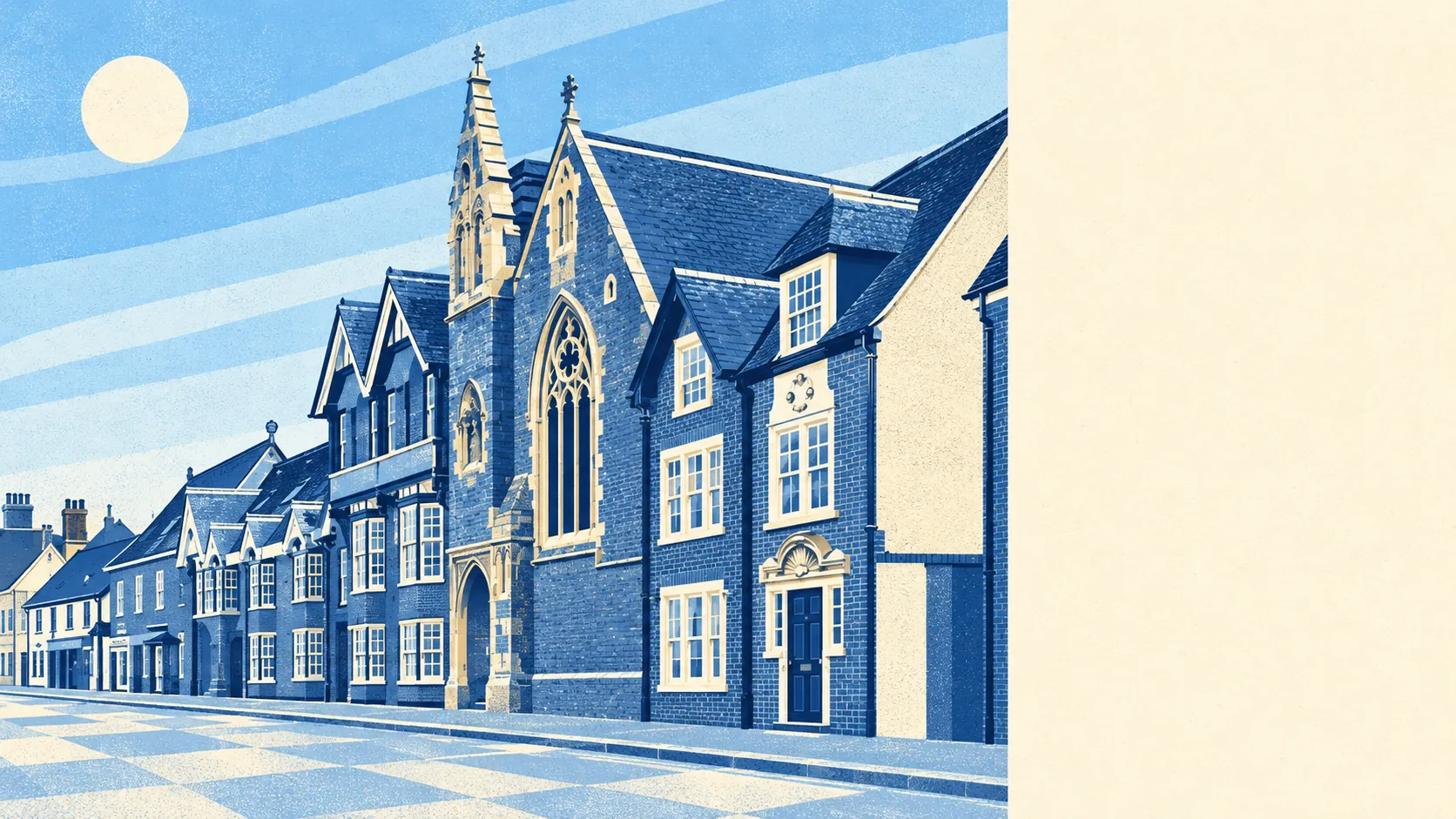
Shefford has 39 listed buildings in total. None is Grade I, one is Grade II* and the other 38 are Grade II. Listing covers the whole building, inside and out, so any change that affects its character needs listed building consent on top of ordinary planning permission, and the council's conservation staff will look at the details. That applies to 39 buildings. For every other house in town, the questions are about size, neighbours and drainage. If the single Grade II* building happens to be the one you own, almost every change will need a conversation with the council first.
Shefford's neighbours are already building. The town's planning records show 284 applications between April 2024 and June 2026, and 122 in the last twelve months. In a town of mostly post-war and late-century houses, those applications are mostly for extensions, loft conversions and dormers, much the same jobs on street after street. Altering a house is so normal here that a street with no scaffolding on it is the exception.
The ground needs more thought than the paperwork. The British Geological Survey puts Shefford in class 3 for shrink-swell, and every postcode in the town reaches that class. Shrink-swell clay expands when it is wet and shrinks when it dries, so the soil moves under a building through the seasons and around the roots of thirsty trees. For an extension, that usually means deeper foundations than a builder would dig on firmer ground, and a structural engineer should look at it before anything is priced. A tree a few metres from where the new wall will go can affect the cost as much as the building regulations do.
In practice, with no conservation area, an unlisted house in Shefford keeps the ordinary permitted development rights. That means some single-storey rear extensions and loft conversions can go ahead without a full planning application, within the national size limits, unless a condition attached when the estate was built has taken those rights away. Anything bigger, or anything on one of the 39 listed buildings, goes through the council. Check whether the house is on the National Heritage List for England, and ask the council whether the estate kept its permitted development rights. Both answers are free and take minutes, and a lot of the cost of an extension depends on them.
Shefford is one of the easier towns for anyone who wants to change their house. The clay will cost you more than the planning permission.