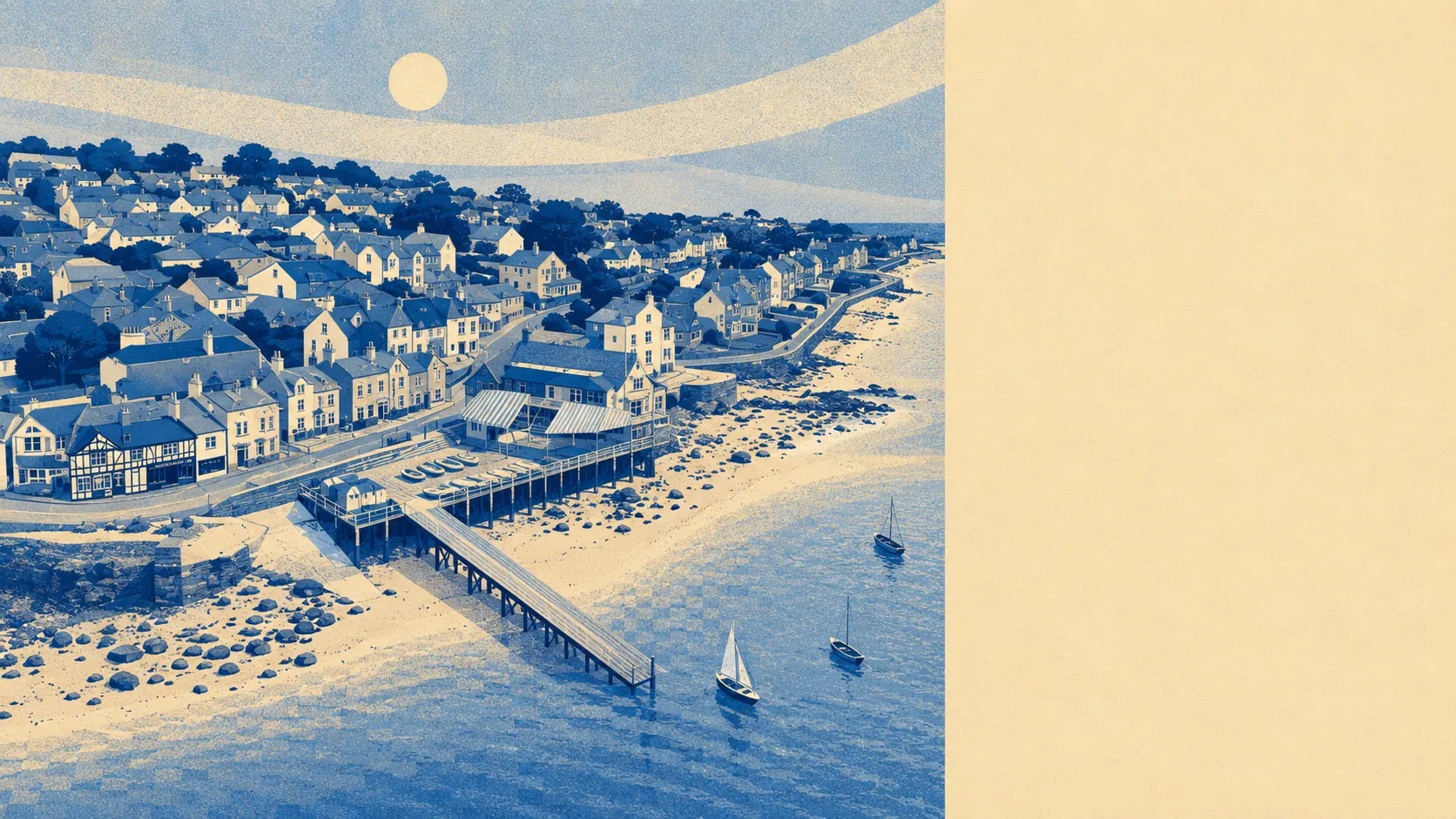
Owners, mostly, and older than the national average by a clean margin. The median resident is sixty. About five in six homes are owner-occupied. Around one in five households is a single pensioner living alone. The village is not where you start a career: it is where you stop having one.
Tenure is overwhelmingly owner-occupied. Around 84 per cent of households own their home, with mortgages or outright. Private renting accounts for about 13 per cent of households, and social renting for just over 3 per cent. The renters do not make up the difference: total renting hovers near one in six homes, well below the typical share for an English village. A village that owns its houses is a village whose residents tend to stay.
The age profile is what does most of the explaining. The median resident is sixty. Around one in eight residents falls into the prime working-age band of twenty-five to forty-four, which is the band most other places lean on for population renewal. That share is low here because the housing stock and the price tag together discourage it: most young households cannot afford the entry price, and the older households who are here are not moving on. The result is a community that grows by inheritance more than by recruitment.
Household income lands around £50,000 a year before tax and around £38,000 after tax and council tax. For a village with a typical sale price near £410,000, that is comfortable rather than wealthy: eight times income is a stretch on any national scale and a fact of life by coastal-village ones. Plenty of households here are retired and not drawing a wage at all, in which case the income figure understates what the savings and the property already own. The buyers paying full price tend to arrive with equity from elsewhere rather than a salary from here.
Households are smaller than the British average and skew towards single-person living. About three in ten households are a person living alone, and roughly two-thirds of those are pensioner-only. Couples with children make up around one in eight households, and lone-parent households just under one in seventeen. Overcrowding is essentially nil, sitting at around one per cent. Around four in five residents rate their general health as good or very good, with about one in twenty rating it bad or very bad. Around one in three residents holds a degree. Around one in six holds no formal qualifications. The composition is older, healthier, and more settled than the national norm, and the household statistics confirm it.
Who lives here is a village's worth of older owner-occupiers, with a smaller working-age population orbiting around them. The composition lands in the eighth decile of deprivation, which is the more-comfortable fifth of England in slightly more bureaucratic language. A village that sells slowly because nobody who has it wants to give it up.