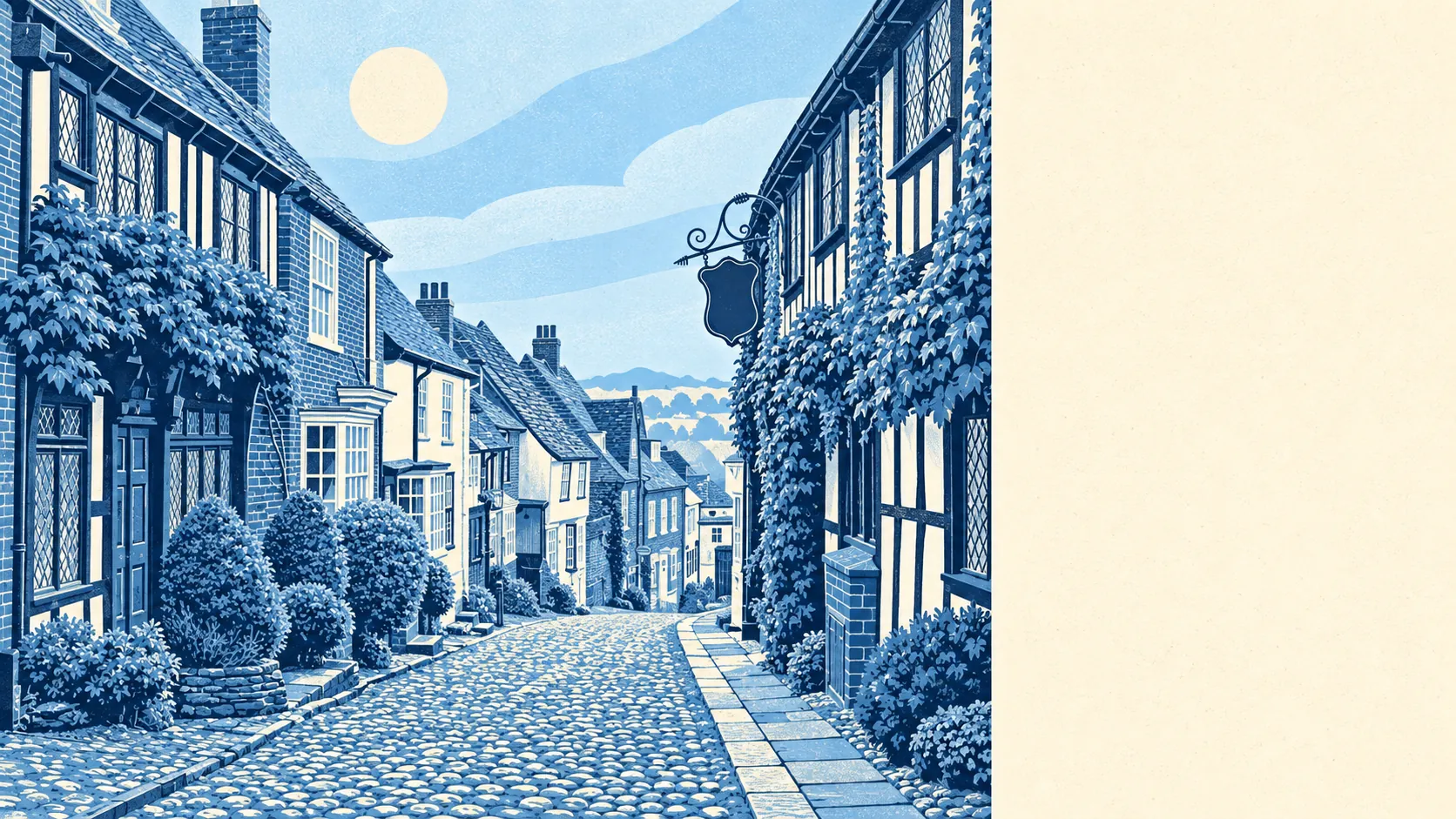
A typical Rye house sells for about £336,000. Terraces come in a bit under that. Detached houses reach half a million. Flats are the cheap way in, and there aren't many of them. You pay heritage-town prices without the heritage-town frenzy.
The Land Registry recorded 64 sales in Rye in the year to mid-May 2026, with a median of about £336,000. Terraces made up half of those sales, at 32, with a median of around £312,500. The 14 semis averaged about £397,500, and the 10 detached houses sold at a median of exactly £500,000. Only eight flats sold, at around £176,500. With a sample that small, one riverside conversion could move the figure more than the whole economy does. Flats in Rye are scarce, and eight sales in a year is the evidence.
Prices have barely moved. The official house price index for the area rose 0.4% in the year to May 2026, which is a rounding error in a waxed jacket. Flats did worse, down 2.4% over the same twelve months. That's still no crash, but it's enough to remind anyone buying a one-bed as an investment that nobody promised them a return.
Council tax most often falls in band C, and about 25% of homes sit in the two cheapest bands, A and B. A band D bill runs to about £2,701 a year and band A to about £1,801. So the town that once bargained with the Crown for tax exemptions now pays the going rate like everyone else.
Renters face a typical private rent of about £1,160 a month across the Rother area, as of April 2026. That's an average for the whole district from the Office for National Statistics' rent index, not Rye's own figure, and it's a mean rather than the middle of the listings. By size, a one-bed averages about £802 a month, a two-bed £1,030, a three-bed £1,292 and four bedrooms or more about £1,914. District-wide rents rose 0.9% over the year. Studio and room rents aren't published at this level, so any agent quoting you one is working from their own figures.
Now compare that with what people here earn. Median gross household income, before tax and averaged across the area, was modelled at about £48,600 for the financial year to March 2023. After tax that falls to about £37,200. Against a £336,000 median house, a household on local money isn't buying in Rye without a sizeable deposit or a previous house to sell. The market is set by people bringing equity from elsewhere, and the local wage just has to keep up with it.
By floor area, Rye sells for a median of about £4,250 per square metre. That comes from the 77% of sales that could be matched to an energy certificate, so it doesn't cover every sale. The typical home behind that figure is about 90 square metres. That's a normal family house, not a ship's captain's mansion, whatever the particulars suggest about the staircase.
The 2021 census gives Rye's bedroom mix. About 13% of homes have one bedroom, 31% have two, 39% have three and 17% have four or more. Three bedrooms is the standard Rye house, and two bedrooms is where most of the competition lands for anyone not arriving with the proceeds of a London flat.
Rye is priced firmly in the middle for this corner of Sussex: not cheap, not silly, and not moving much. Your money buys the town's history, and the house comes with it at a fair but unexciting price.