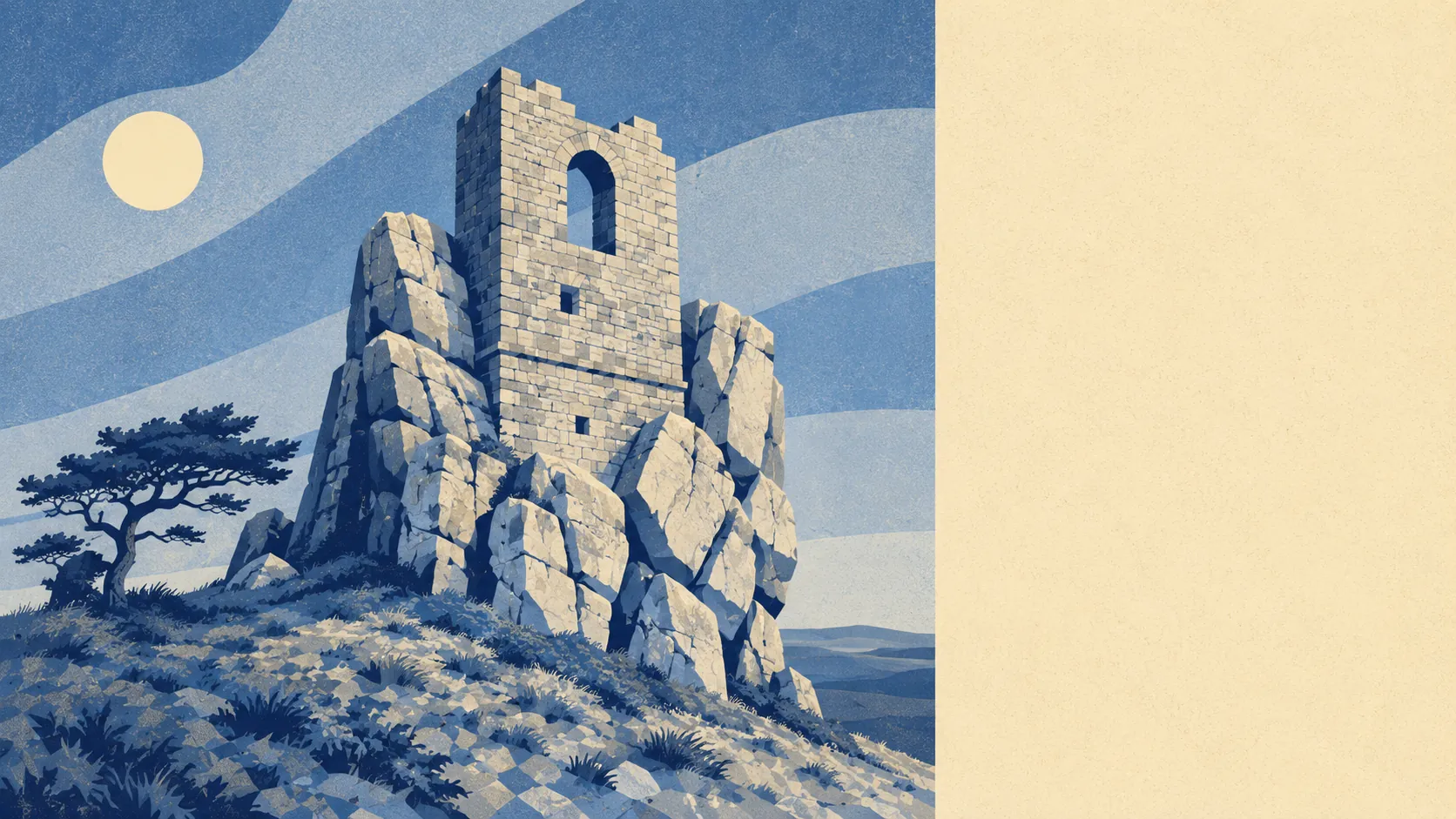
Open, working and entirely unbadged, which is the version of Cornwall that never makes a calendar. Green space starts about as far away as the end of a driveway. Water is a few hundred metres off in most directions. The cycle network runs right past. Nothing here is designated, protected or ticketed, and that is the whole character of the place.
Green space is the headline. The average postcode sits about 130 metres from the nearest one, with roughly 11 separate spaces inside a kilometre. That is not one large park serving a whole village. It is a scatter of smaller ones, which is the better arrangement, because the nearest is close to wherever you happen to have bought.
Water follows the same pattern. The average postcode is about 325 metres from blue space, with roughly 7 within a kilometre. In a village this far from the sea, that is streams, ponds and reservoirs rather than anything with a beach attached.
The National Cycle Network sits about 190 metres from the average postcode, and about 98% of postcodes here are close to it. Getting out into the landscape does not require driving to the start of the landscape first, which in rural Cornwall is less common than it sounds.
The commercial records for the area list 124 shops, 20 pubs and 14 restaurants. Pubs outnumbering restaurants by that margin says most of what needs saying about how the evening works around here. These are premises rather than a promise that any particular door is open.
On air, fine-particle pollution across the Cornwall council area measured about 5.1 micrograms per cubic metre in 2024. That is a council-wide figure rather than a Roche one.
The surrounding map is a run of small settlements: Bugle, Stenalees, Whitemoor, Victoria, Trezaise, Enniscaven, Tregonetha, Demelza. What is scattered between them is considerably older than any of them. A medieval chapel on Roche Rock, a round cairn with a beacon at Hensbarrow, a holy well, wayside crosses standing in field corners, a small hillfort near Demelza Farm and bowl barrows in the ground nearby. The Church of St Gomonda anchors the village itself. Alongside all that, the area's records carry 377 holiday lets, which is the wider countryside quietly admitting what a good deal of Cornwall does for a living.
Private outdoor space is the figure nobody quotes and everybody wants. Across the two neighbourhood areas covered, garden space runs to roughly 208,000 square metres per 1,000 residents. Public green space is one thing. Having your own is another, and here people generally do.
The local rating list carries 32 rateable premises, with the largest single category accounting for 11 of them. Those are premises on a valuation list rather than businesses currently trading, so the list tells you what exists in brick and not what is serving on a wet Tuesday.
Of the 10 food premises carrying a current hygiene rating, 60% hold the top score and none sit at the bottom of the scale. For an inland village, that is a clean sheet rather than a scene.
Worth stating plainly: no area of outstanding natural beauty overlaps here, no site of special scientific interest, and no ancient woodland. The landscape carries no designation at all. This is working countryside rather than protected countryside, which means nobody is managing it as scenery and nobody has built a car park to charge you for looking at it.
The setting is comfortably the best thing about living in Roche, and nothing else on its record comes close. Green in every direction, water a few hundred metres away, cycle routes past the door, and not a single visitor centre to make it self-conscious.