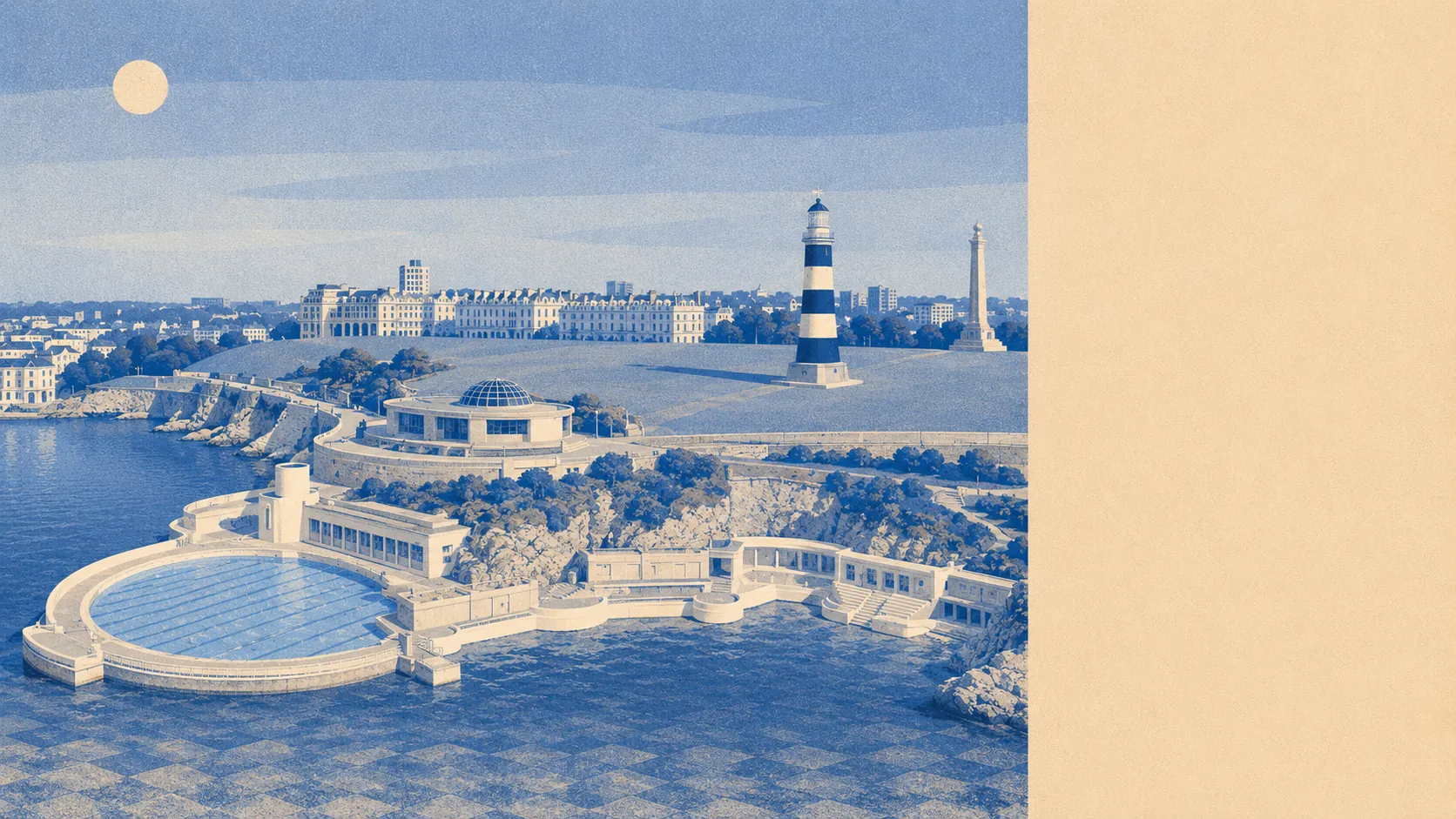
Yes, and you will be asking permission far more often than in most cities. Nearly a thousand buildings here are listed. Four conservation areas sit inside the mapped area. Fifty-two scheduled monuments are scattered across it. People still get work done constantly, they just do it with a planning consultant involved rather than a builder, a weekend and a hopeful attitude.
The listing count is the headline. There are 993 listed buildings in the mapped area, of which 31 are Grade I, 108 are Grade II star and 854 are Grade II. Listing protects the whole building rather than the front elevation, which catches windows, roofs, chimneys and internal features that an owner might reasonably assume are their own business. Listed building consent is a separate process from planning permission and is needed for alterations affecting the building's character, so the replacement windows that would be a Saturday job elsewhere become a submission with drawings. Owning a listed home is a pleasure. Maintaining one is a subscription.
Four conservation areas fall inside the mapped area, and they work differently from listing. Instead of protecting a single building, the designation protects the look and coherence of the whole street, which means changes get judged on how they read from outside as much as on what they do for the household inside. Councils can also restrict alterations that would otherwise count as permitted development within these boundaries, so the safe assumption inside a conservation area is that the permitted development rulebook does not apply until someone confirms it does.
There are also 52 scheduled monuments in the mapped area. That is the strictest tier of protection in the system, and for most householders it never comes up, because it bites on land, groundworks and anything disturbing what is under the soil rather than on a rear extension in a suburban garden. It matters if the plot happens to sit next to one.
None of this stops the work happening. Planning applications across the area ran to 3,633 between April 2024 and June 2026, with 1,578 of those lodged in the most recent twelve months. That is a city where altering homes is routine rather than exotic. It also tells you the planning department is not short of reading material, so anyone budgeting on a quick determination is budgeting on optimism.
Mining legacy, which trips up buyers in other parts of the country, barely registers here. Fewer than one postcode in a hundred has a recorded mine entry within 500 metres, no postcode has a recorded working directly beneath it, and the nearest recorded entry sits about 300 metres away. None of the area falls within a coalfield consultation zone. Where a mine entry does turn up nearby, the practical consequence is a mining search and possibly a specialist report, which is a conveyancing step and a lender question rather than a verdict on the building.
Thirteen listed buildings in the area sit on Historic England's Heritage at Risk register. That is a statement about the condition of those specific buildings, and it can open doors to grant support as easily as it signals neglect. It says nothing about the ordinary house down the road, whatever a nervous survey report tries to imply.
Practically, the answer depends entirely on which Plymouth the house is in. A post-war semi on the outer estates sits under the ordinary permitted development rules and the ordinary planning process. A terrace inside a conservation area, or anything listed, sits under a different set of rules where the phrase "scope to extend" in a listing description carries no weight at all. Check the listing status and the conservation area boundary before making an offer, not after the architect has been paid.
Freedom to alter a home is the weakest thing about buying here, and it is weak by a distance: a very high concentration of listed buildings, protected streetscapes and monuments in a city that also has a genuine appetite for extending. Buy the house you want to live in, not the house you plan to reinvent, unless the consent risk is priced into the offer.