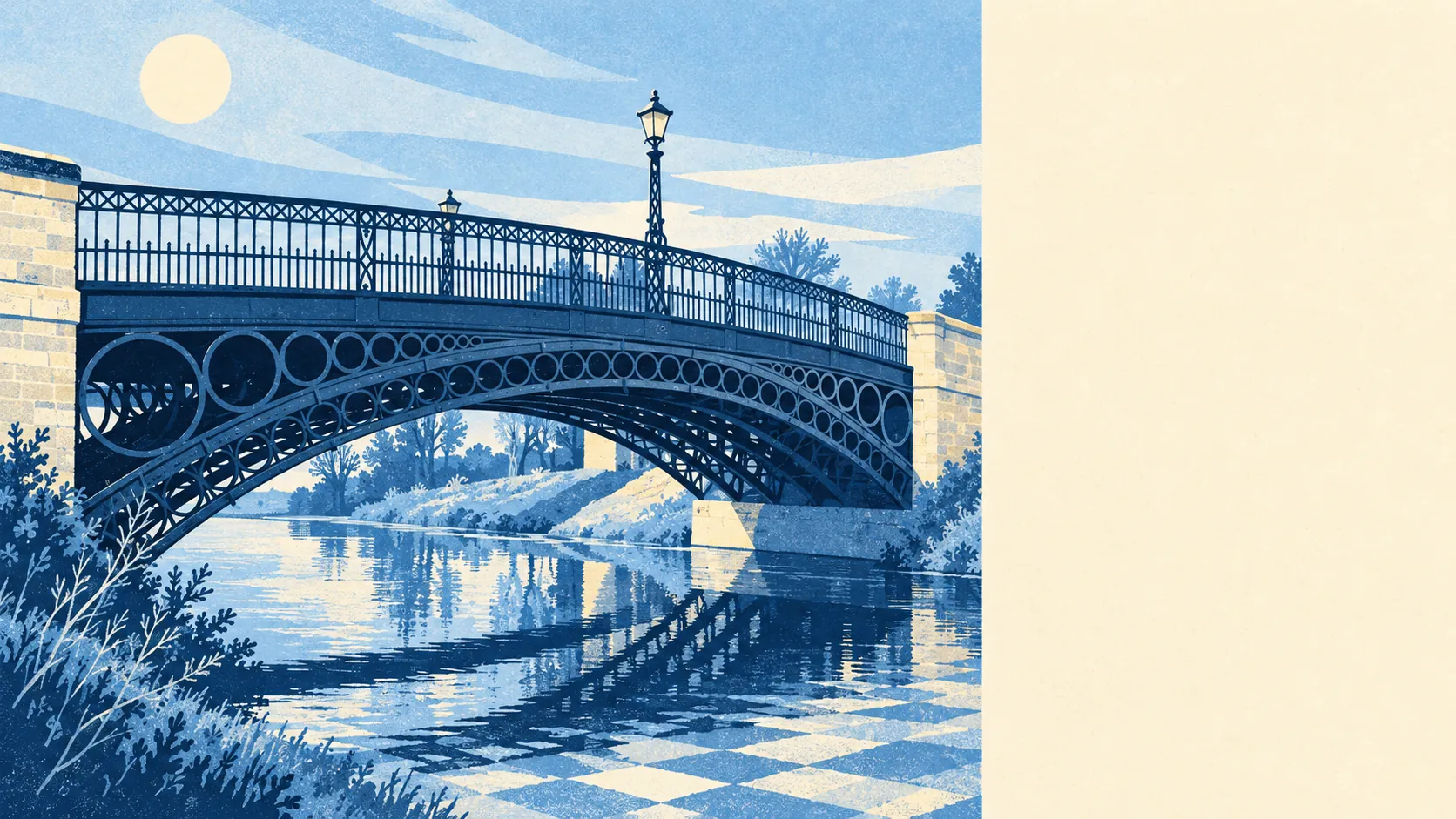
Newport Pagnell gets most things right for a household with a car and a mortgage, and only stumbles where the rivers come into it. Seven in ten own their home. Crime runs well under the borough's level. A park is round the corner from most front doors, and on the lower streets, so is the floodplain.
The town works best for families who want a proper house with a garden and plan to drive or work from home. Thames Valley Police recorded crime here at about 59 per 1,000 residents in the twelve months to May 2026, roughly 45% below the Milton Keynes average for the same period. The town's best-known fortifications are the Civil War defences in Bury Field. They are a scheduled monument now, and nobody has asked for them back.
Home ownership runs at about 73%, the typical resident is 43, and the Office for National Statistics models median gross household income across the area at around £63,000 for the financial year to March 2023. Those are people in the thick of school runs and mortgage renewals. Anyone looking for a scene will find a town where most people are busy enough already.
Flood is where Newport Pagnell gives ground. The River Ouzel, also called the Lovat, meets the Great Ouse here, and a large set of sluice gates near Tickford Bridge controls what heads downstream. About 16% of the town's postcodes carry a high rating on at least one flood indicator, surface water included, and about 26% a medium one. The Environment Agency's river-and-sea mapping is narrower: around 13% of postcodes fall in flood zone 2 and about 6% in zone 3. Around 31% of postcodes also come under the Buckingham and River Ouzel Internal Drainage Board, and a drainage board does not get set up where the ground looks after itself. A riverside town gets its walks and its insurance questions from the same water.
The town has no station of its own. The nearest are Milton Keynes Central and Wolverton, and at the 2021 census about 1% of working residents commuted by train. Around 46% drove and about 40% worked from home. The town has 64 bus stops, with each one averaging about 24 departures on a weekday and fewer than two an hour at peak. Gigabit broadband reaches about 98% of premises, and given those commuting numbers the router matters more than the timetable.
The Land Registry puts the typical sale price at about £328,000 in the year to May 2026. Terraced houses went for around £279,000, semis for about £345,000 and detached houses for about £545,000. Only 15 flats sold, at around £165,000, which is about right for a town built around the family house. Band C is the most common council tax band, and a third of homes are in A or B. Renters are working from a wider number. Across the Milton Keynes area, typical private rent was about £1,330 a month as of April 2026. That figure comes from the Office for National Statistics index for the whole authority, so it does not describe Newport Pagnell's streets alone.
The council tax list shows a near three-way tie among house types: about 29% semis, 28% terraces and 25% detached, plus about 9% flats and 8% bungalows. Only about 14% of homes were built before 1930, and the energy certificates show a mostly post-war town. About half the certificated homes are in bands A to C and about 42% in band D. Mains gas heats about 82% of homes. Most of the stock is newer than the town's reputation.
The older part still sets rules. There are 106 listed buildings, two of them at Grade I and one at Grade II*, and two conservation areas, Newport Pagnell and Great Linford. Changing windows, extending or rendering a front in those streets means planning permission or listed building consent, and people who skip that step find out from the council. The Domesday Book recorded the town as Neuport, the new market town, in 1086, and the name has had nine centuries to stop being accurate.
The outdoors is the town's best argument. On average the nearest green space is about 130 metres from a front door, with around 23 within a kilometre, and water is roughly 330 metres away. Lathbury lies just across the Great Ouse, almost wrapped in one of its meanders. Beyond it, Tyringham, Gayhurst, Sherington, Moulsoe, North Crawley, Stoke Goldington, Astwood and Hardmead give the town a fringe of villages that still feel like countryside.
The notable residents are mostly clerics. Lewis Atterbury was royal chaplain to two monarchs, and William Bull ministered to the town's Independent Church. In 1661 Arthur Annesley was made Baron Annesley of Newport Pagnell, so his title took the town's name and he never had to pay its stamp duty.
Newport Pagnell earns its place on the shortlist. Green space close to almost every door makes daily life easy, and the rivers that run past those parks are the thing to settle before anything else on the lower streets. It is right for families who drive or work from home and want a house rather than a flat. Rail commuters who want to walk to a station should look elsewhere, and so should anyone hoping for a riverside view with no flood questions attached.