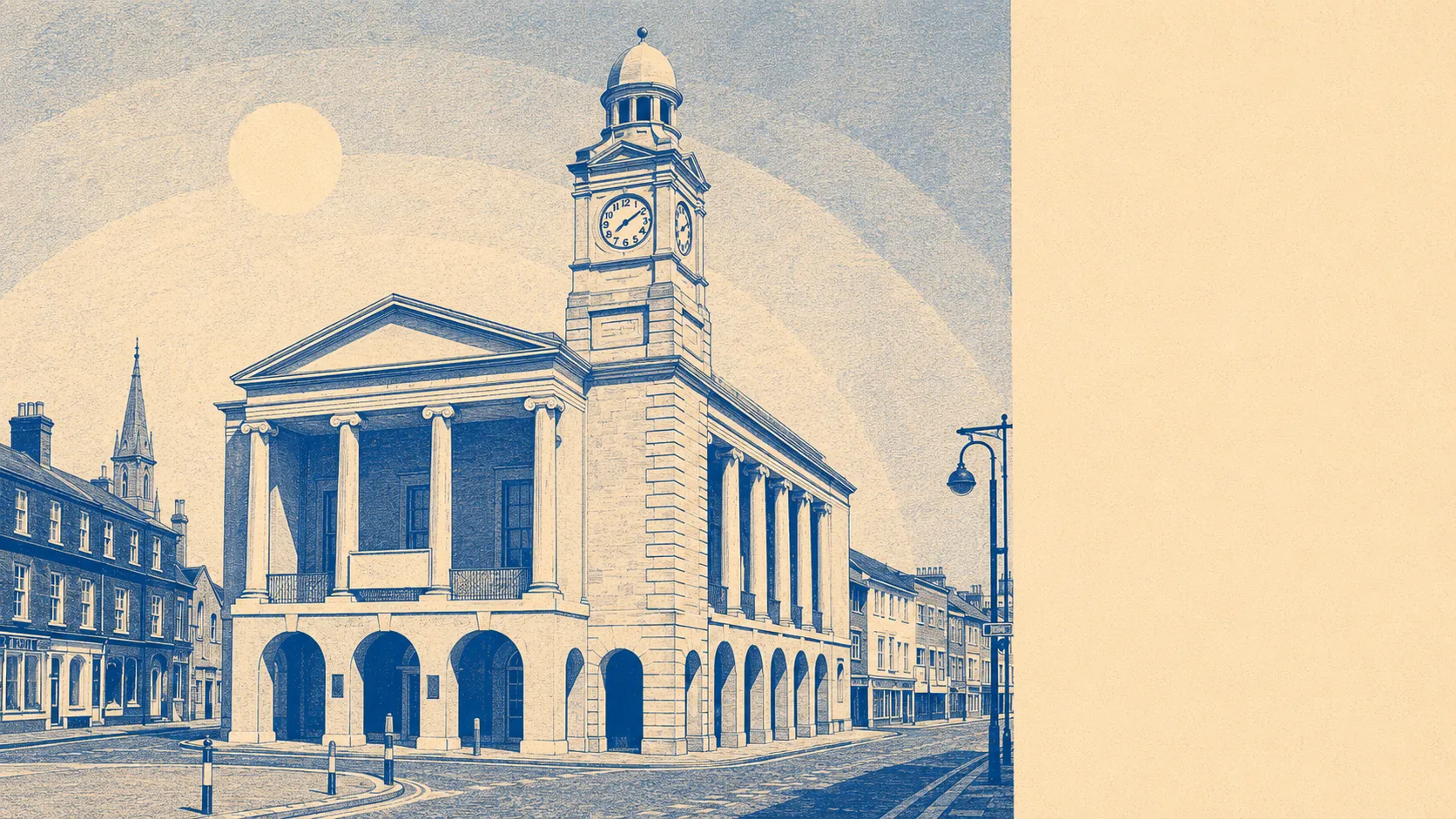
Yes, unless you bought a listed one. There are 322 listed buildings in the wider Newport area. Five at Grade I, seven at Grade II starred, and the rest at standard Grade II. Zero formally designated conservation areas inside the built-up boundary, plus three scheduled ancient monuments. Listed and protected is the constraint; everything else is the freedom.
The 322 listed buildings cover everything from the medieval church stock to the Victorian commercial frontages and a handful of grander country houses on the edges. Five carry the highest Grade I designation, which is reserved for buildings of exceptional national interest. Seven sit at Grade II starred, which marks them as particularly important. The remaining 310 are Grade II, the standard designation for buildings of special architectural or historical interest. Listed status means alteration, extension, demolition, and material change all require listed-building consent from the council, distinct from standard planning permission. The two are different applications, with different criteria and different appeal routes. Consent is not impossible. It is procedural. The building's significance is what the conservation officer is testing, and the proposed change has to be defensible against that significance, not against general planning policy.
For a property that is not listed and not inside a conservation area, the position is unusually clear. Permitted development rights are not curtailed by any local conservation-area designation here, because there are none inside the built-up boundary, which is unusual for a town of this size on the south coast. That means the standard national permitted-development allowances for rear extensions, loft conversions, outbuildings, and minor alterations apply by default, subject to the usual national thresholds on size and proximity to boundaries. Planning permission is still required for anything that exceeds the permitted-development limits, or for projects that fall outside that scope entirely. The Isle of Wight is a single planning authority, so the application route is the same wherever the property sits. Three scheduled ancient monuments in the area carry their own protection regime; these are sites, not houses, but they affect adjacent ground works for properties that happen to abut one. Most Newport properties do not. The minority that do know who they are. The other practical effect of the no-conservation-area position is that external materials, replacement windows, frontage changes, and roofline alterations are not subject to the kind of design-policing that a conservation officer would apply elsewhere on the south coast. The town centre has heritage. The planning regime, for non-listed properties, does not treat the whole town as heritage.
Two out of five for the freedom to extend. That reflects the constraint that the 322 listed buildings carry, not a wider regime that treats every property as if it were one of them. For most owners, the answer to whether they can extend is yes, with the standard planning paperwork. For owners of one of the listed minority, the answer is yes with the more involved listed-building paperwork on top.