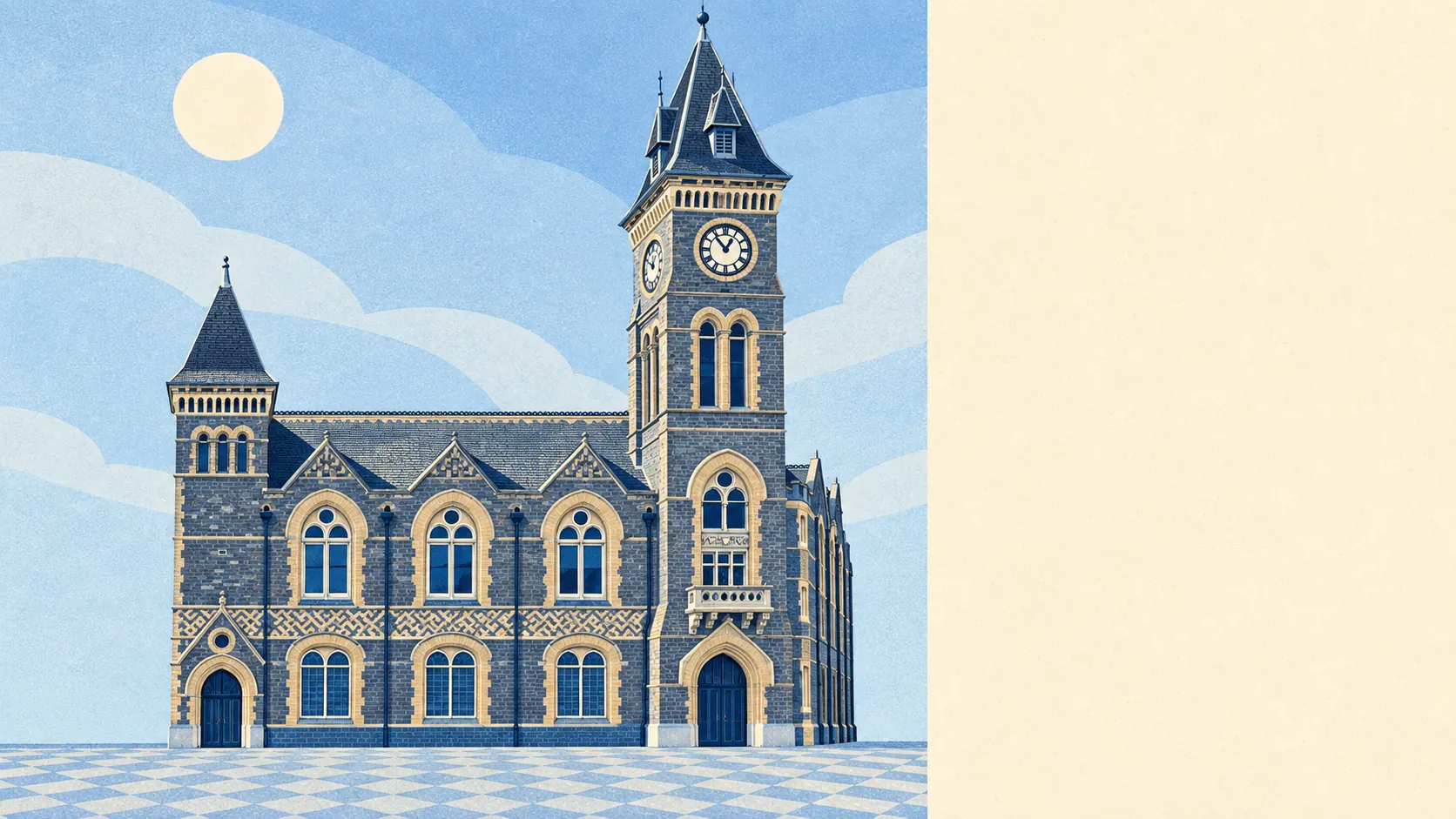
You can extend in Newbury, but the older the house, the longer the queue for permission. Hundreds of buildings are listed. A handful of ancient sites carry the strictest protection going. The neighbours file planning applications at a rate that suggests nobody is put off. Some of the ground underneath moves with the weather. The rules are tight in the middle of town and loosen as the houses get younger.
There are 320 listed buildings in and around Newbury. Five are Grade I, 24 are Grade II* and 291 are Grade II. Listing covers the whole building, inside and out, so replacing windows, moving walls or adding a rear extension to one of them needs listed building consent on top of any planning permission, and doing the work without it is a criminal offence rather than a paperwork slip. Grade II is the most common grade and the most forgiving, which in practice means the council will talk to you before saying no.
The area also holds 6 scheduled monuments, the strictest tier of heritage protection, ranging from barrows on Wash Common to the ruin of Donnington Castle. They matter mainly if your plot or garden sits next to one, where digging for foundations can become an archaeological conversation.
None of this has stopped anyone trying. Between April 2024 and June 2026 about 3,100 planning applications were lodged across the area, about 1,330 of them in the last twelve months. That is a town where people are adding kitchens, lofts and garden rooms as a matter of routine, and the planning office has plenty of practice reading the same drawings.
The ground deserves a look before the drawings do. Britain's geological survey rates shrink-swell clay here at Class 3 at its worst, a published hazard class, and about 15% of the area reaches that level. Clay that swells when wet and shrinks when dry can move shallow foundations over the years, so an extension in those parts needs a structural engineer's view on foundation depth before the builder quotes. The same 15% share reaches Class 3 for soluble rocks, which is another reason to let the engineer look at the site first. This is a cost to plan for, not a reason to walk away.
In practice, many ordinary changes to an unlisted house can go ahead under permitted development rights without a full application, within national size limits. A listed home needs consent for most work, including changes the street will never see. The heritage records for this patch show no conservation areas, which is a gap in the published data rather than proof that none apply, so check West Berkshire Council's own maps before assuming the front of your house is yours to change. A post-war semi on the edge of town is the easy case. A Georgian frontage near the market place is the long one.
Freedom to extend is one of Newbury's tighter spots: a modern house on the outskirts gets through without much fuss, while anything old, listed or on shifting clay costs extra time, extra drawings and an engineer's fee before the first brick goes down.