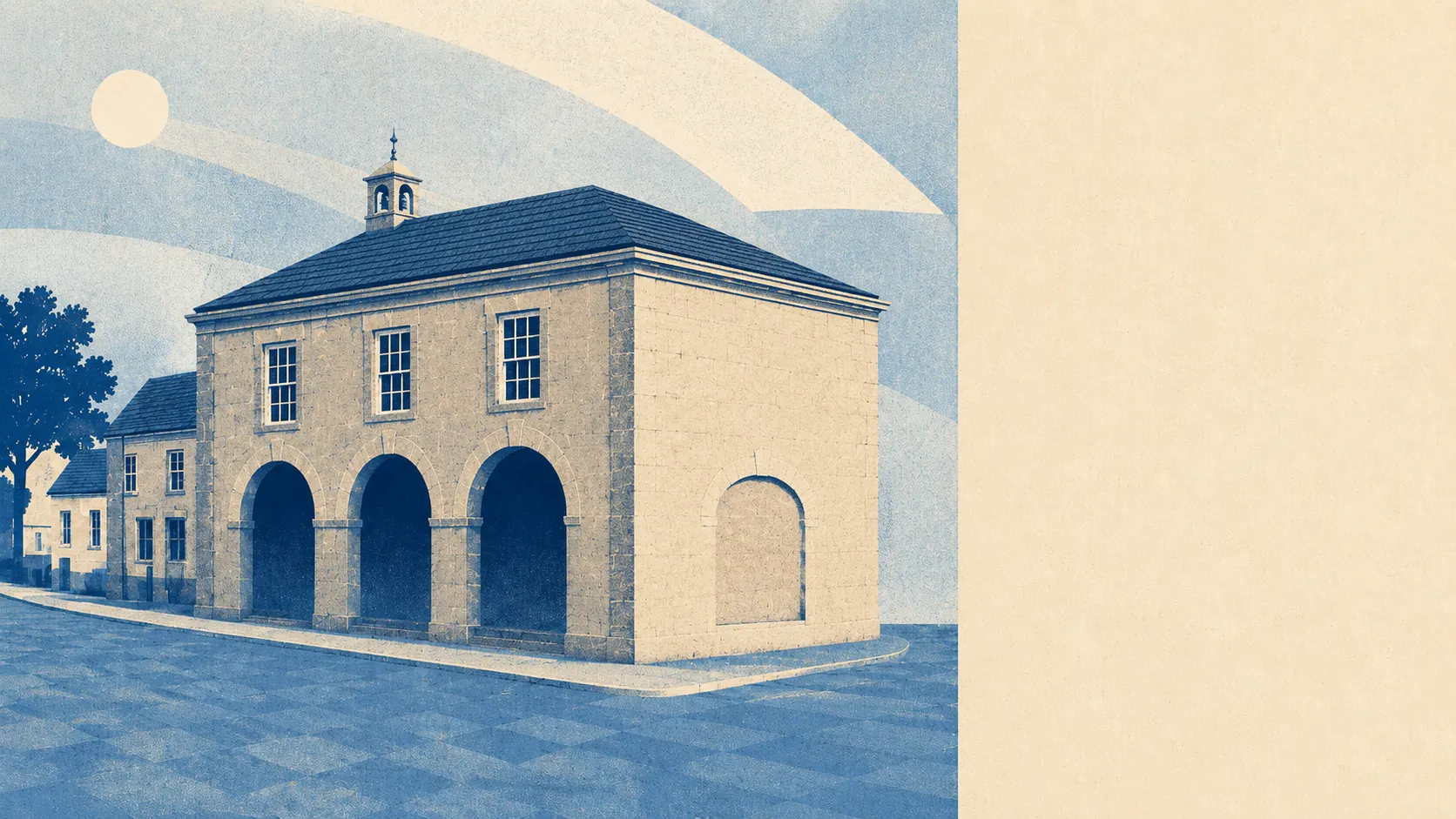
Yes, and you will meet the planning department properly while doing it. This corner of Somerset carries hundreds of listed buildings and more than twenty conservation areas between the villages. The ground under a good part of it swells and shrinks with the weather. People do extend here, constantly, but they do it with drawings and a heritage statement rather than a weekend and a skip hire. Of everything this area offers, freedom to alter a house is the thing in shortest supply.
The listing count is the headline. There are 457 listed buildings in the area, of which 15 are grade one and 28 are grade two star, with the remaining 414 at grade two. Listing is not a plaque on the front wall. It covers the whole building, inside and out, and works affecting its special interest need listed building consent regardless of whether planning permission is also required. That catches replacement windows, internal partitions, chimney breasts, staircases and a good deal else that owners of ordinary houses treat as maintenance. Anyone buying a period property here should establish its status before exchanging, not before starting the work.
There are 21 conservation areas covering these villages. Conservation area status brings extra control over demolition and over works to trees, and it can come with directions that strip out permitted development rights an unlisted house would normally enjoy. Whether any such direction applies to a specific address is a question for the council rather than an assumption to make from the map, and it is worth asking before the offer rather than after.
Eight scheduled monuments sit within the area. That is the strictest protection tier in the system, administered separately from planning, and it matters mainly to anyone whose land adjoins or contains one. If it applies, consent is a national process and not a local negotiation.
None of this means nothing gets built. Local planning records carry 2,601 applications across the area between April 2024 and July 2026, with 1,034 of them in the last twelve months. Whatever the constraints look like on paper, the queue at the planning department is long and busy, and a great many of those applications are householders adding a room, a garage or a rear extension. The system here is slow and particular. It is not closed.
The ground is worth a paragraph of its own. The British Geological Survey's shrink-swell mapping reaches class three in this area, its highest class present locally, and about 32% of postcodes sit at class three or above. That is clay that moves seasonally, which matters for foundation depth, for building near mature trees, and occasionally for what a structural engineer says about an existing extension somebody else built without asking. It is a design consideration and a cost line, not a reason to walk away.
One listed building in the area appears on Historic England's Heritage at Risk register. That means a building in poor condition, which brings both scrutiny and the possibility of grant support for repair. For anyone buying a normal house down the lane it changes nothing.
Practically, the split is simple enough. An unlisted house outside a conservation area works under the same permitted development rules as anywhere else in England, and a modest rear extension may need nothing more than a lawful development certificate. A listed building, or an unlisted one inside a conservation area, should be approached on the assumption that consent is needed and that the answer will involve materials, proportions and someone else's opinion about your windows. A pre-application conversation with the council costs a fee and saves months.
This is the hardest part of owning a house around here. The stock is lovely, the protections are dense, and a buyer who wants to reshape a period property to suit modern family life should budget for the professionals before falling in love with the elevation.