Yes, and plenty of people already are. Nearly 400 planning applications went in across the area in the space of a year. Seventy-odd buildings in the town carry a listing. A conservation area sits over the middle of it. Whether the answer is a simple yes or a two-year education in heritage vocabulary depends almost entirely on which side of that boundary your back garden falls.
There are 77 listed buildings in the area, of which 2 are Grade I, 3 are Grade II star and 72 are Grade II. Listing is not a plaque, it is a legal restriction, and it applies to the whole building rather than the pretty bits at the front. Alterations that affect the character of a listed building need listed building consent in their own right, which sits alongside planning permission rather than replacing it, and it reaches inside the house as well as outside it. Owners of Grade II cottages routinely discover that the internal wall they had earmarked for removal is the reason the building was listed in the first place.
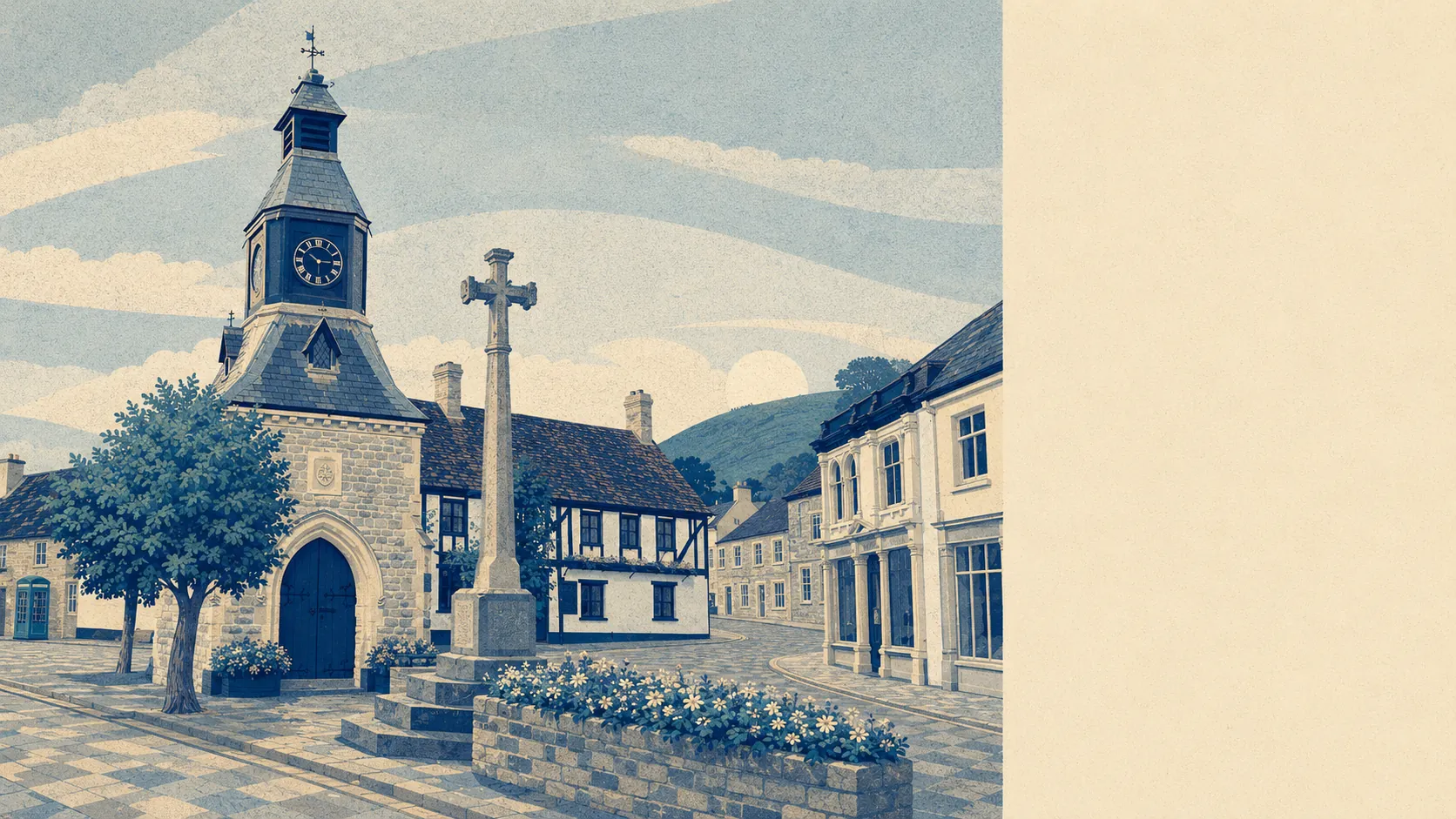
One conservation area covers Mere itself. Designation brings tighter control over demolition and over works to trees, and it can narrow what would otherwise count as permitted development, which is the polite way of saying that the shed, the porch and the window you assumed were nobody's business may turn out to be somebody's business. The boundary is the thing to check before you make an offer rather than after you have appointed an architect. Two houses on the same street, built in the same decade by the same builder, can sit on opposite sides of it and face entirely different rules.
Two scheduled monuments fall within the area. That is the strictest protection tier in the system, and it matters mainly if you are buying land close to one, where works can require scheduled monument consent on top of everything else. Mere has a great deal of prehistory in the ground around it, which is wonderful for a walk and inconvenient for a foundation trench.
The volume of activity says more than the constraints do. Across the window from April 2024 to June 2026, 903 planning applications were made in the area, with 396 of them in the most recent twelve months. Those are applications rather than outcomes, and this page makes no claim about how any of them ended. What the count establishes is simpler and more useful: altering a house here is a normal thing that normal people do in numbers, not a doomed campaign against an immovable planning department.
Practically, that splits the town into two experiences. Outside the conservation area and off the listed register, an ordinary house here behaves like an ordinary house anywhere, and the usual permitted development rights do the work for a rear extension or a loft conversion without troubling anyone. Inside the boundary, or on a listed building, assume consent is needed for more than you expected and budget for the specialist advice rather than resenting it. The order that saves money is boundary first, architect second.
Freedom to alter a home in Mere lands somewhere in the middle. The heritage protections are real and concentrated, the town is not blanketed by them, and the deciding factor is a boundary line rather than the town's character as a whole.