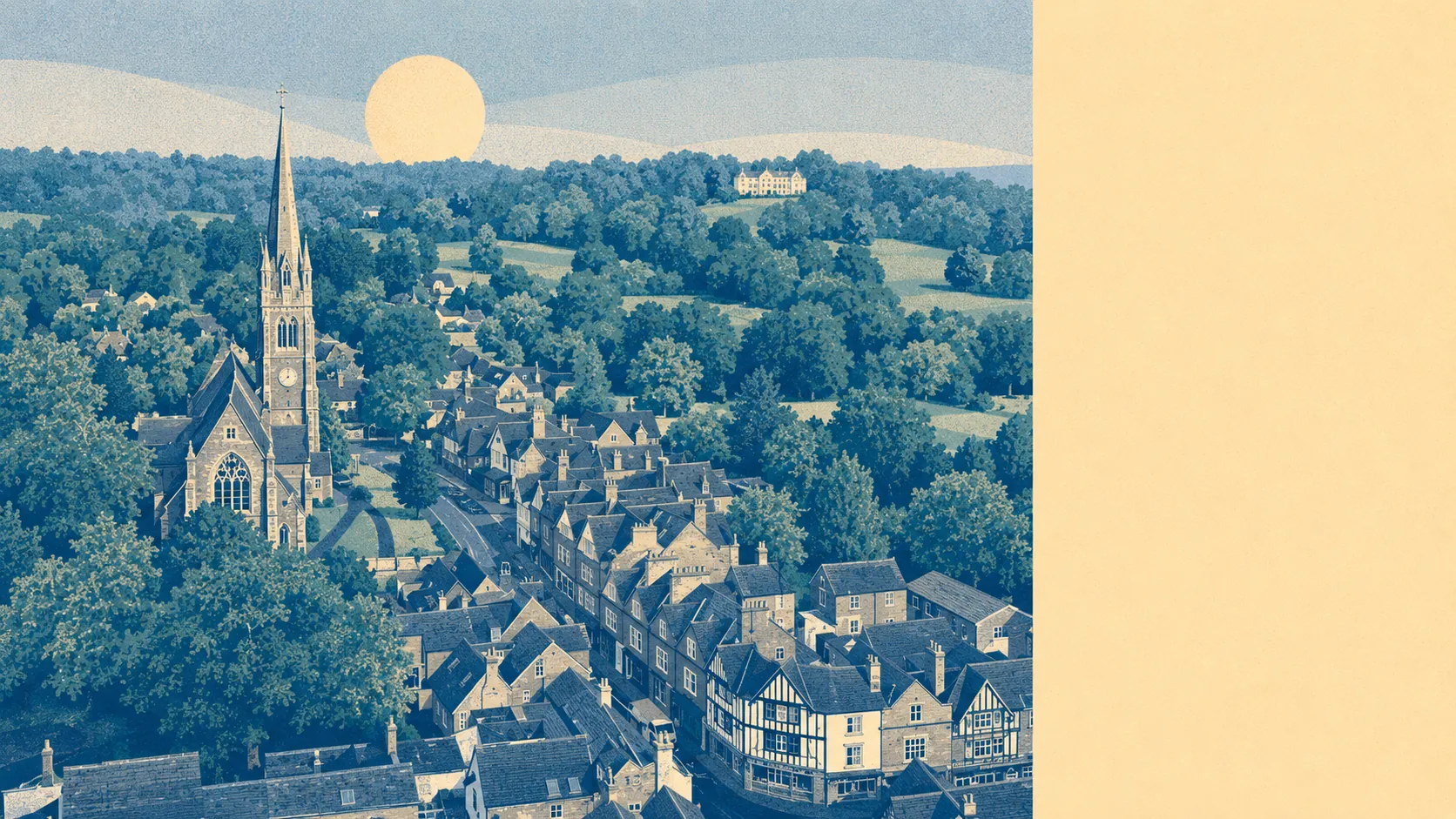
Extending a house in Lyndhurst is possible, but the paperwork starts before the builders do. The whole village sits inside the New Forest National Park, which tightens the normal rules everywhere. There are thirty-three listed buildings and two conservation areas layered on top of that. Whether you can swing a hammer freely depends almost entirely on which of those brackets your house falls into. For a lot of homes the answer is a straightforward yes with conditions, and for a meaningful minority it is a slow yes with a planning officer attached.
Listing is the tightest constraint, and Lyndhurst carries a fair amount of it. Of the thirty-three listed buildings, one holds the top Grade I designation and two are Grade II-starred, with the remaining thirty at Grade II. If your house is one of them, extending stops being a private decision. Listed building consent covers changes inside and out, and it reaches further than most owners expect, down to windows, doors, render and details that a normal house owner would swap on a weekend without a second thought. Even faithful repairs can need sign-off. Owning a listed home in the village buys you history and hands you a permissions process to go with it.
The two conservation areas, at Swan Green and Lyndhurst itself, add a softer but real layer. A conservation area does not freeze a house the way listing does, but it trims back the automatic rights you would otherwise rely on. External alterations that would be waved through elsewhere can need consent inside the boundary, demolition is controlled, and the trees are protected in their own right. If your property sits within one of those two areas, assume the bar for changing the outside of the house is higher than the national default, and check before you commit to a design.
For the many houses that are neither listed nor inside a conservation area, ordinary permitted development still applies, so modest extensions and internal work are often achievable without a full battle. The catch is the national park sitting over the entire village. That designation narrows permitted development compared with a normal town, so some projects that would need no application elsewhere will need one here. The practical move is to establish the exact status of the specific property first, because two houses on the same street can face very different rules depending on their listing and their position relative to a conservation boundary.
You can extend in Lyndhurst, with more hoops than the average town and fewer than a heritage showpiece. Before you buy on the strength of a loft conversion or a rear extension, confirm whether the house is listed or in a conservation area, because that single fact decides how free your hands actually are.