Yes, you can extend most houses in Lechlade-on-Thames, because most of them were built too recently for anyone to protect them. The old centre is a different matter. It has over a hundred listed buildings and one conservation area, named after the town. Under all of it is clay that moves. A newer house on the edge of town is a builder's job, and an old one in the centre means a lot of paperwork.
There are 107 listed buildings in the area: one at Grade I, none at Grade II* and 106 at Grade II. Listing covers the whole building, inside and out, so on any of them, changing windows, doors, walls or the roof needs listed building consent on top of any planning permission, and work done without it is a criminal offence and not just a planning dispute. A town that got its market charter in 1210 has had eight centuries to build up opinions about rooflines.
There is one conservation area in the area, Lechlade's own, and it covers the historic centre. In a conservation area, changes that would be routine elsewhere, such as some extensions, cladding, and work to trees, need consent or advance notice to the council, because the council judges how the street looks as well as the building itself. Lechlade's conservation area covers the part of town people actually photograph.
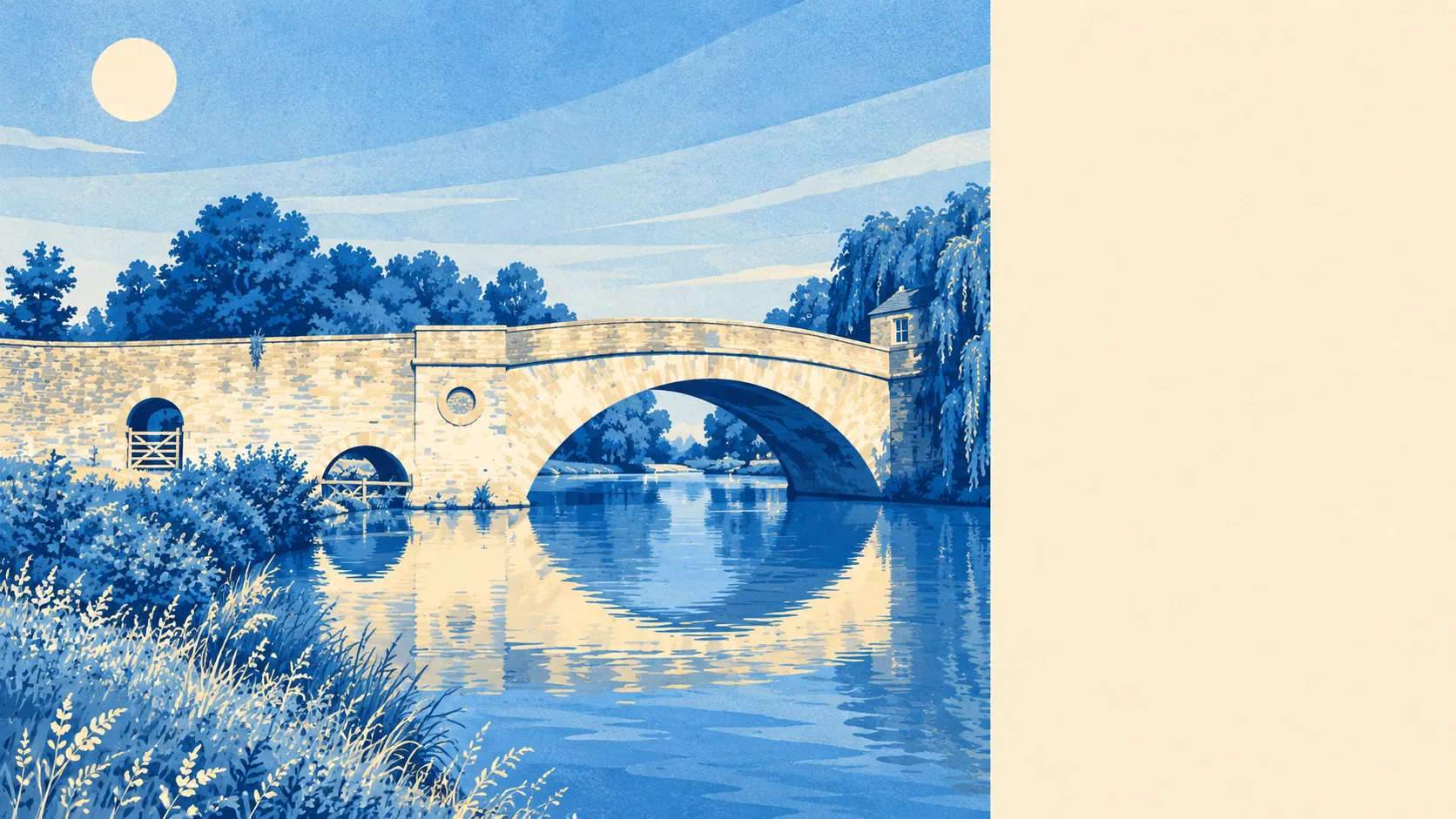
There are 2 scheduled monuments in the area, the strictest tier of protection, which matters mainly for land next to one. Halfpenny Bridge, where the main road crosses the Thames, is scheduled, and the only alterations it gets now are wear from the lorries.
The planning records covering the area logged 2,829 applications between April 2024 and June 2026, and 1,311 of those were in the last twelve months. That's a lot of people asking to change their homes. Whatever the rules are, nobody in Lechlade seems put off asking.
The British Geological Survey puts the area at class 3 for shrink-swell, a moderate hazard, and the whole area reaches that class. The ground is Oxford Clay and alluvium, which swells when wet and shrinks when dry. For an extension, that means a structural engineer should set the foundation depth, deeper than on firmer ground, with extra care near trees. Oxford Clay is the one thing in town that expands without planning permission.
Outside the conservation area, a house that isn't listed can often take a modest rear extension or a loft conversion under permitted development, the national rights that don't need a full application, although those rights are narrower inside a conservation area and don't apply to listed buildings at all. Cotswold District Council's online maps show whether a house is listed or inside the Lechlade conservation area, and that one check tells you which set of rules your plans fall under.
Freedom to extend in Lechlade-on-Thames is middling. A newer house is fairly easy to extend, while a home in the old centre needs consent before most changes.