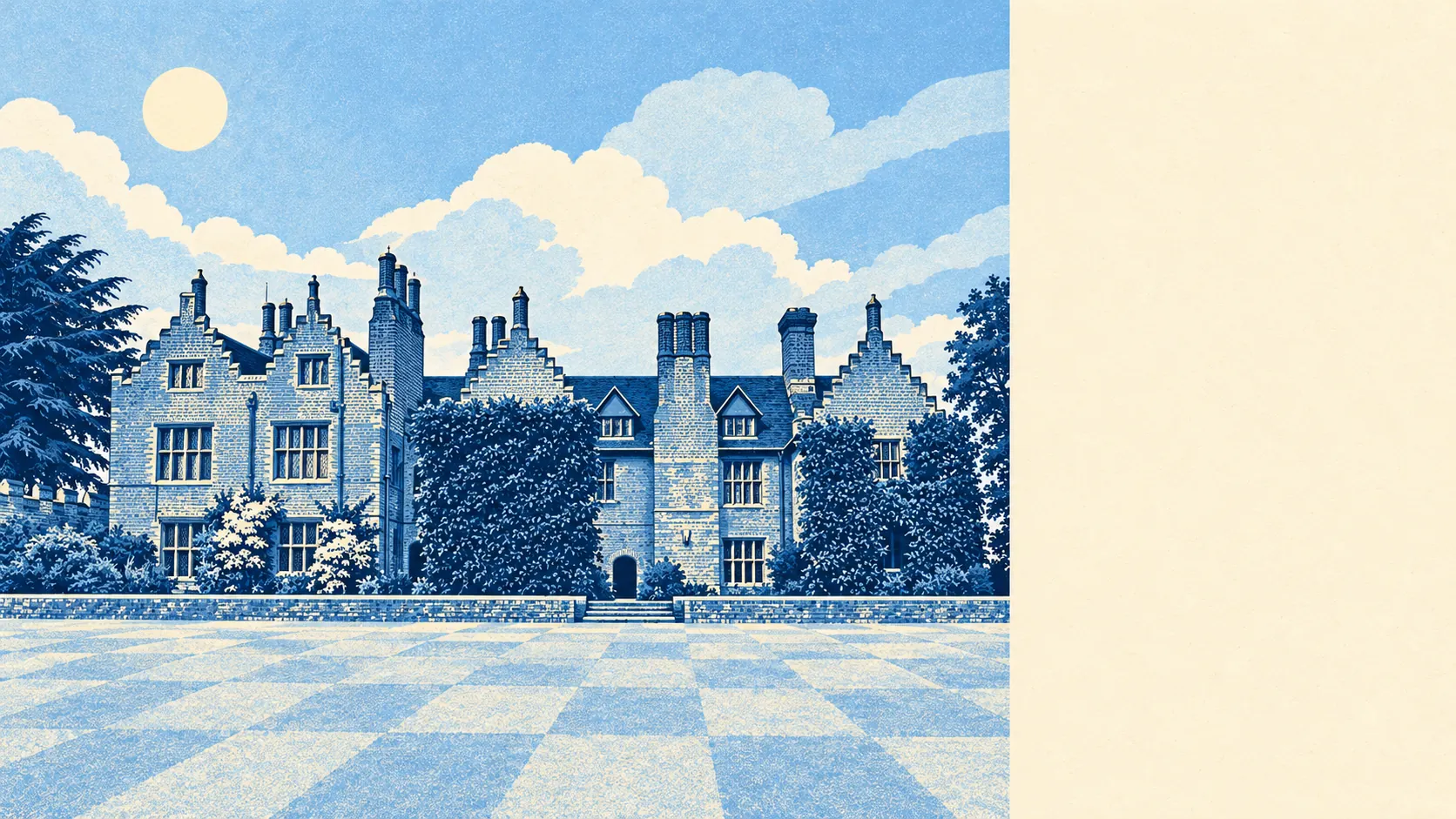
The area around Ingatestone is green, walkable and well stocked for a village. Parks and open space start a couple of minutes from most front doors. Water is close too. The gardens are big. The surrounding countryside is old farmland and estate land, kept that way more by the cost of the houses than by any official designation.
The average home in Ingatestone is about 200 metres from the nearest public green space, with about ten green spaces within a kilometre. Nobody here has to plan a trip to find grass.
Water is almost as close. The nearest pond, stream or river averages about 340 metres from home, with about ten such spots within a kilometre. The River Wid runs past the string of "Ing" villages around here, and on a walk it is the kind of water you notice at a footbridge.
Cycling out into it takes more effort. The nearest stretch of the National Cycle Network averages about 3.7 kilometres away, and no part of the village is close to it. Cyclists here mostly share the lanes with everyone else.
Across the rated premises in the area's postcodes there are 217 shops, 30 pubs and 17 restaurants. Pubs outnumber restaurants, which is roughly the priority a former coaching stop on the Essex Great Road ought to keep. The Bell on the High Street still has its Elizabethan brick fireplace in the lounge bar.
Brentwood borough's air carried about 7.5 micrograms of fine particles per cubic metre in 2024, the figure for the whole council area.
The landscape is old in the ordinary way. Ingatestone Hall, built by Sir William Petre after he bought the manor from the Crown, still anchors the edge of the village. Mill Green Windmill and Mountnessing Windmill stand in the countryside nearby, a multi-period scheduled monument lies close by, and the remains of Thoby Priory lie to the south. Fryerning, Blackmore and Stock are the smaller villages around it, with hamlets such as Mill Green and Margaretting Tye scattered between, and Fryerning's churchyard has an ancient yew reckoned to be one of the oldest trees in Essex. Two windmills within a short drive, and the only thing that runs on a timetable here now is the train.
Private outdoor space is generous. Across Ingatestone there are about 279,000 square metres of garden for every 1,000 residents. That works out at real lawns, the kind that need a ride-on mower, and a buyer coming from a town should budget a weekend each month to keep one under control.
On the business rates list, the village has 130 premises, led by 52 offices and 43 shops, with smaller numbers of other commercial units after that. These are premises on the valuation list, so they count buildings that pay rates, whether or not each one is trading under the same sign today. Offices outnumbering shops tells you where a fair amount of the daytime village is: at a desk above the High Street.
Eating out is a safe bet. Of the 27 food premises rated for hygiene, about 85% hold the top score and none sit at the bottom of the scale.
No protected landscape overlaps the area. There is no area of outstanding natural beauty, no site of special scientific interest and no ancient woodland on the official registers. The countryside here is working farmland and old estate land, which gives it fewer signs explaining why it matters and more room to walk the dog.
The surroundings are one of Ingatestone's real strengths. Green space is on the doorstep, the gardens are big and the village keeps its pubs busier than its restaurants.