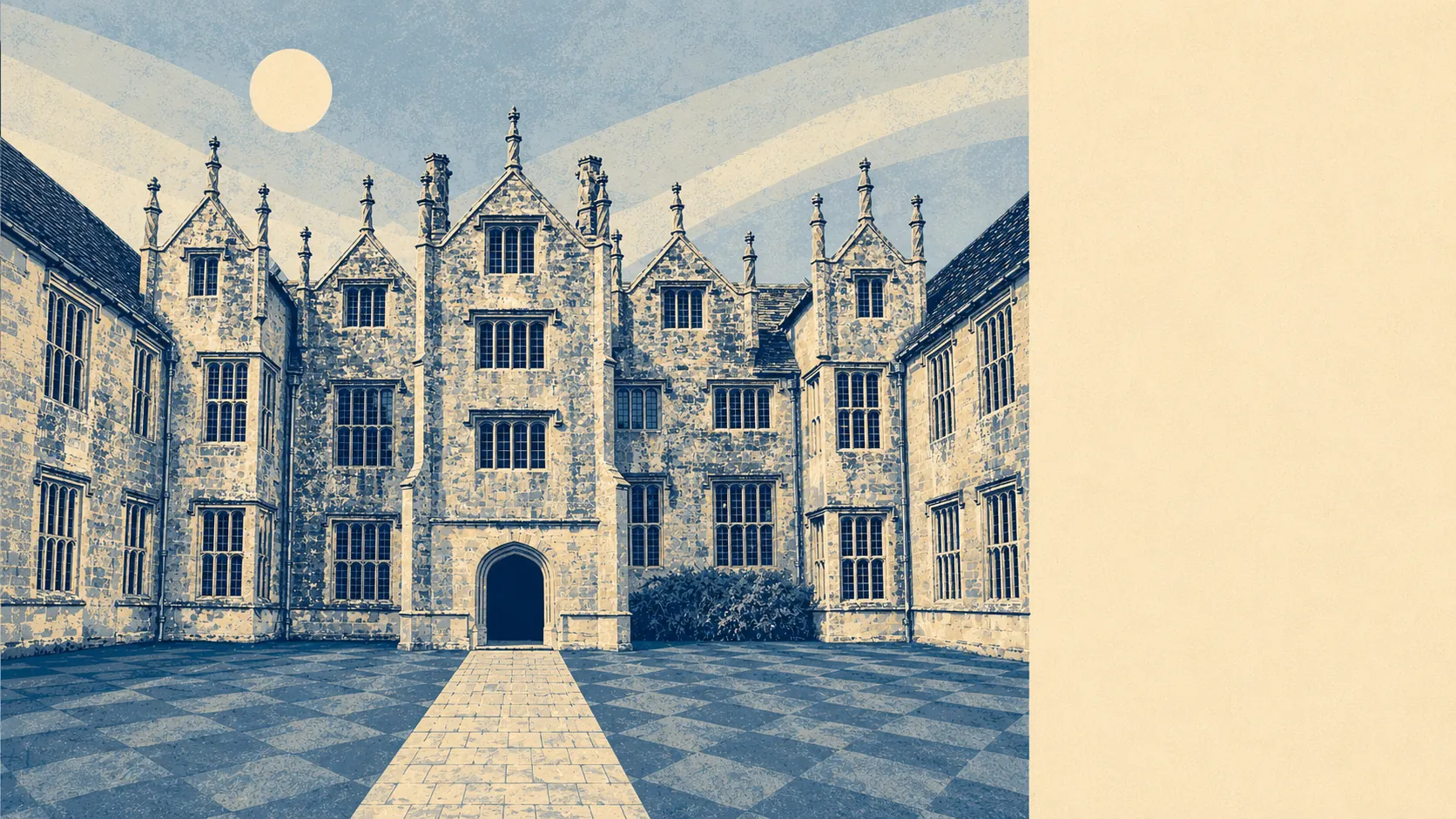
Yes, and you will be doing it with an audience. The area carries more than six hundred listed buildings. Eleven separate conservation areas sit inside it. Scheduled monuments are dotted through the surrounding fields. Extending here is less a building project than a negotiation with several centuries at once, and the centuries have the better lawyers.
Historic England's register lists 613 listed buildings across the area: 8 at grade one, 44 at grade two star and 561 at grade two. Listing is not a decorative honour. It applies to the whole building inside and out, which means internal walls, staircases, fireplaces, windows and doors all fall within it, and works that would be routine elsewhere require listed building consent as well as any planning permission. Doing them without consent is a criminal offence rather than a paperwork oversight, which is a distinction some buyers discover late.
On top of that, 11 conservation areas cover parts of the area, including Ilminster itself along with Shepton Beauchamp, Dowlish Wake, Barrington, Hinton St George and Chaffcombe. Conservation area designation tightens control over alterations, demolition and work to trees, and narrows what can be done without an application. The practical effect is that materials and detailing become the council's business as well as the owner's, and the current rules for any specific address are worth confirming with the council before an offer rather than after.
There are also 7 scheduled monuments recorded in the area. That is the strictest tier of protection in the system, and it matters mainly to anyone whose plans involve ground near one, where consent sits with the national body rather than the local authority.
None of this stops people building. Planning applications across the area ran to 333 between April 2024 and June 2026, with 150 of those lodged in the last twelve months. Extensions, alterations and conversions happen here constantly. They happen with an agent, a heritage statement and a longer calendar than the owner first imagined, which is a different thing from not happening.
Underneath, the ground is mostly cooperative. The British Geological Survey puts the highest shrink-swell class present at class three, the moderate band, reaching that level across about 2% of the area. On a clay-affected plot that translates into foundation depth and a structural engineer's opinion rather than a reason to walk away, and it is the sort of thing a builder quoting for an extension should be asked about at the quotation stage, not the excavation stage.
One listed building in the area sits on Historic England's Heritage at Risk register. That describes a building in poor condition, where repair may attract grant support and will certainly attract scrutiny. It says nothing about the ordinary house down the road, and buyers should not read it as a warning about the town.
The practical position is straightforward enough. Outside the designated areas and away from listed buildings, normal permitted development rules apply and a modest rear extension is an ordinary project. Inside them, permitted development rights are curtailed, consent is needed for work that would elsewhere need none, and the answer to what can be built depends on the specific address rather than the town. Anyone buying with a plan already drawn should get a planning opinion before exchange, because the survey will tell you what the house is and only the council will tell you what it is allowed to become.
Of everything this area offers, freedom to reshape a house is the thing it offers least. Buy here for a home that already suits, and treat every proposed change as an application rather than a decision.