Yes, and there's very little heritage in the way. There are no conservation areas. Only a handful of buildings are listed. Neighbours put in planning applications constantly. The real obstacle is the ground under the house, not the planning office.
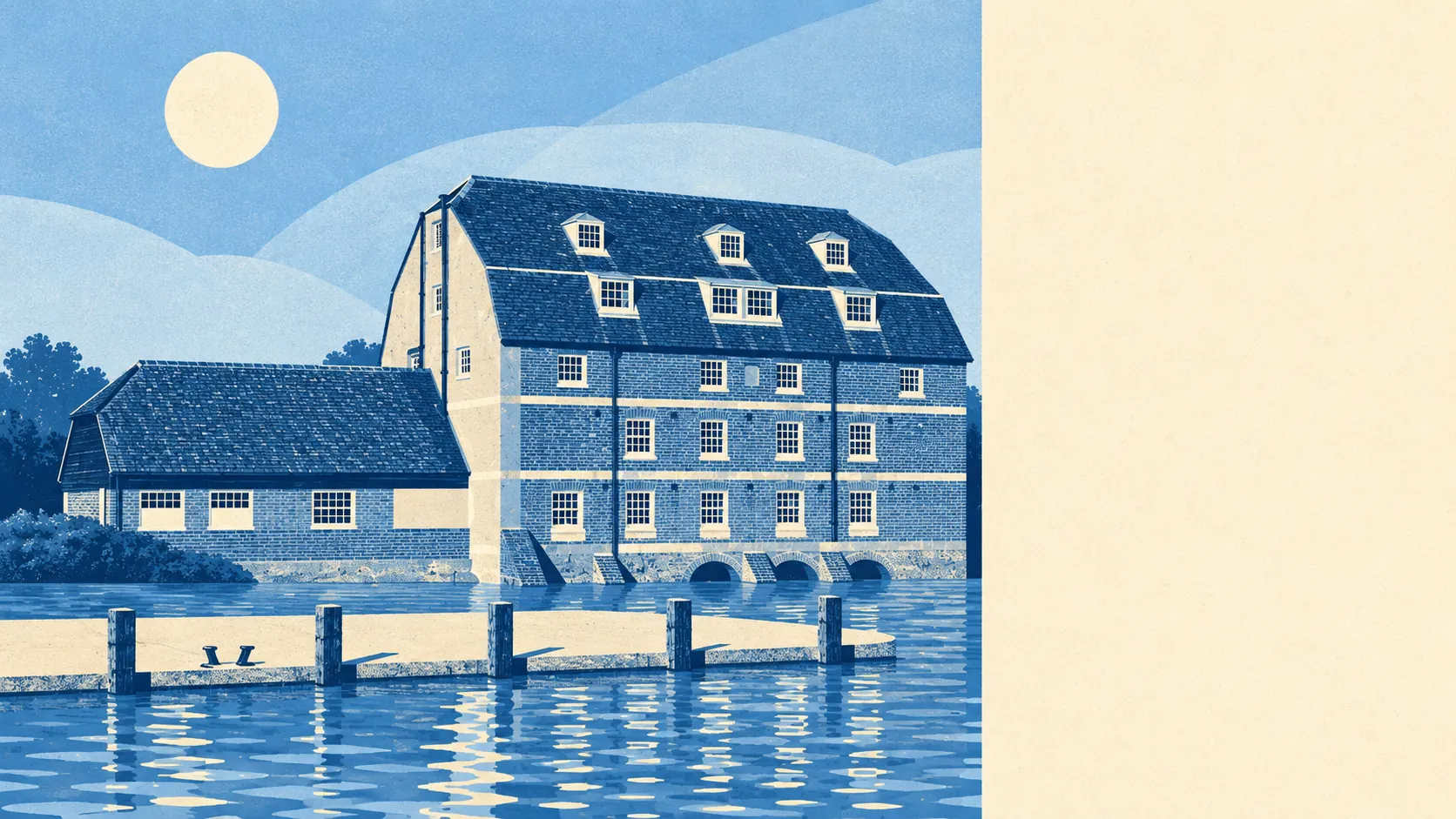
Holbury has eight listed buildings: one at Grade I, none at Grade II*, and seven at Grade II. Listing means almost any change to the building itself, inside or out, needs listed building consent on top of any planning permission, and the rules are strict. With eight listed buildings in a village of several thousand homes, the odds of buying one by accident are low. If a sale particulars mention one, the conveyancer will flag it long before the builder arrives.
There's one scheduled monument in the area, the strictest tier of heritage protection. It matters to anyone whose land borders it and to nobody else's loft conversion.
The neighbours are clearly extending. There were 424 planning applications between April 2024 and July 2026, and 187 in the last twelve months alone. That's a village busy adding kitchens, dormers and garden rooms. The volume shows people here do alter their homes. It says nothing about which applications succeeded, so the neighbour's extension proves they applied, not that yours will be approved.
The ground is the real catch. The geological survey's ground-stability mapping puts the whole area in shrink-swell class 3, the class where clay soils expand when wet and shrink when dry enough to affect foundations. That's normal for this kind of ground and nothing to panic about, but an extension here needs foundations designed for it. Get a structural engineer to check the foundation depth before signing off the plans, and pay attention to any large trees near where the new walls will go. Clay plus a thirsty oak is how extensions crack.
Without a conservation area, ordinary homes in Holbury have the full standard permitted development rights. Many modest rear extensions, loft conversions and outbuildings can go ahead without a full planning application, subject to national size and height limits, although some need prior notification to the council. Anything bigger, anything facing the street, or anything on a listed building needs consent. Before paying an architect, check the property's own planning history. Earlier owners or the original developer may have removed permitted development rights by condition, and the only way to find out is to look.
Freedom to extend is one of Holbury's stronger points. There's little heritage protection to get past, and the clay only means the foundations need proper engineering.