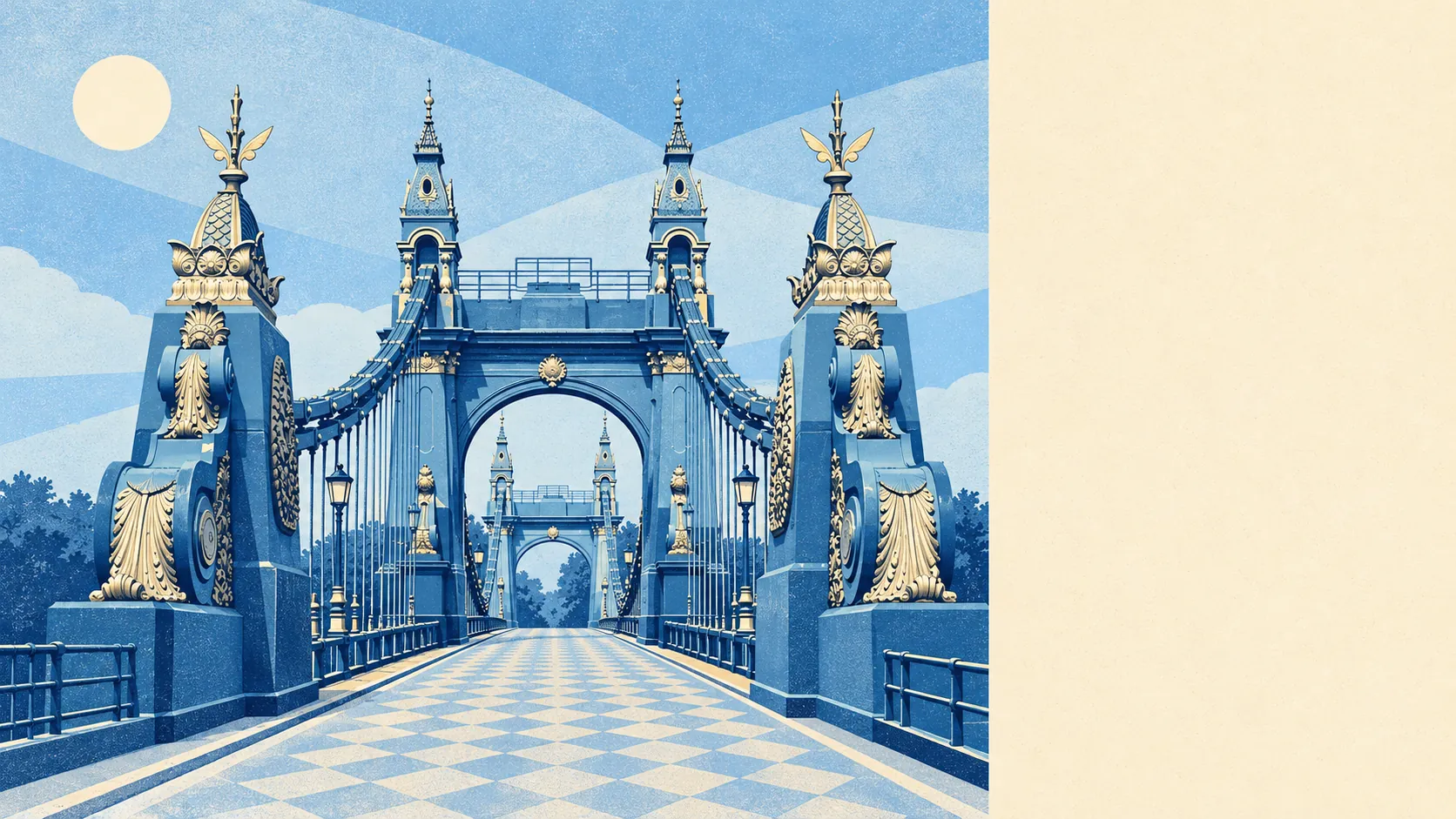
Hammersmith is a middling bet, and the crime figure decides most of it: about 184 recorded crimes a year for every 1,000 residents. That number counts because the money here is serious and the neighbours are close. Three in four homes are flats, and a typical sale is about £727,000. Green space is a two-minute walk from most front doors and the Thames is not much further. Buyers come for the riverside and still have to live with the Broadway.
The Metropolitan Police recorded those 184 crimes per 1,000 residents across the twelve months from June 2025 to May 2026, a published rate roughly 27% above the Hammersmith and Fulham average. The mix leans away from the most serious end. Violence and sexual offences make up about 24% of the total here against 35% across England and Wales, while anti-social behaviour runs at 22% against 16% nationally and shoplifting at 11% against 8%. So most of it is nuisance and theft from shops, which is grim to read about on a stairwell noticeboard but a different thing from violence. Across the whole Met, about 10% of crimes ended in a charge over the same year, below the national 12%, and that is a force-wide figure for all of London. In 1804 Francis Smith stood trial for the murder of Thomas Millwood in Beaver Lane, the case history remembers as the Hammersmith Ghost murder. The modern caseload is mostly people walking out of shops without paying.
Flood risk is mostly about the river. On the Environment Agency's river-and-sea mapping, about 91% of Hammersmith's postcodes fall in Flood Zone 3, the highest-probability zone, which is what happens when a district grows up along a bend in the Thames. That zone ignores defences. Counted with the defences modelled in, only about 0.5% of postcodes land in the high-risk undefended extent, and the Agency puts 44 homes at high risk from rivers and sea. On a broader measure, 16% of postcodes show high risk on at least one flood indicator, surface water included, and 27% show medium. The last recorded flood was in January 1928, when the river overtopped its defences. The flood zone map and the risk to an actual front door are two very different documents.
The Land Registry logged 272 sales in the twelve months to May 2026, with a median of about £727,000. That headline describes almost nobody. Flats went for about £555,000 across 182 sales, terraced houses for about £1,345,000 across 78, and the handful of semis and detached homes for about £2,275,000 and £2,850,000. The Land Registry's house price index puts the average down about 11% in the year to May 2026. Band D is the commonest council tax band, and only about 10% of homes sit in bands A or B. A terrace costs more than twice a flat, so the real decision here is whether you can afford stairs that belong to you.
Renting is the default. Across the Hammersmith and Fulham council area, private rents average about £2,760 a month as of April 2026, a borough-wide figure from the Office for National Statistics, with one-bedroom homes at about £1,950 and two-bedroom at about £2,550. About 37% of households here rent privately and 28% from a social landlord.
The council tax list says about 74% of Hammersmith's homes are flats and 21% terraced houses, with semis at 3% and detached homes under 1%. About 57% were built before 1930, so a good share of those flats are Victorian and Edwardian houses carved up floor by floor. On energy certificates, 58% of rated homes reach band C or better, 34% are band D and 8% are E or worse. About 68% of households heat with mains gas and 11% rely on electric heating alone. A converted top floor with electric heaters and original sash windows is a lovely thing to look at in a viewing and a different thing in January.
Hammersmith has 254 listed buildings in and around it, three of them Grade I and 22 Grade II*, and six conservation areas fall in the surrounding area. Hammersmith Terrace and Upper Mall carry listed houses right on the river, and eight entries sit on Historic England's Heritage at Risk register. If you buy a period house near the water, plan on asking permission for the windows.
Getting around is easy without a car, and most households have already worked that out: about six in ten have no car at all. Hammersmith's two Underground stations between them serve the Piccadilly, District, Circle and Hammersmith & City lines, and the area has 154 bus stops averaging about 560 weekday departures each, with around 29 buses an hour at the peak. Hammersmith Bridge closed to traffic, cyclists and pedestrians in August 2020, cutting the direct route to Barnes. At the 2021 census, about 54% of working residents worked from home and only 2% took the train. Gigabit broadband reaches about 80% of premises and superfast 94%.
The people are young, renting and well paid. About a third of households own their home, the median age is 35, and the Office for National Statistics models average gross household income at about £78,700 for the year to March 2023. About 59% hold a degree. Plenty of people here earn well and still can't buy here, which is how a district ends up with this many professional tenants.
Green space is the surprise. Most front doors are about 130 metres from some, and the river is roughly 425 metres away on average. St Peter's Square is a listed garden square, and in 1745 James Lee and Lewis Kennedy opened the Vineyard Nursery here, the business that brought the fuchsia and the standard rose tree to England. Gustav Holst, Eric Gill and Frank Brangwyn all count among Hammersmith's past residents, as does Caroline of Brunswick, Queen Consort of George IV. Not one of them had to queue for the Piccadilly line.
Hammersmith works for people who want a flat with Zone 2 trains, a river walk and a park at the end of the road, and who are happy to rent or buy small to get them. Families who want a house with a garden on a calm street will pay a terraced-house price for it, and those set on a car will spend their evenings circling. Safety is the part to be clear-eyed about. The crime that drives the rate is mostly nuisance and shoplifting, and it follows the shops and the busy roads, so the flat you pick and the route you walk home matter more here than in most of the borough. Weighed up, it comes out average: excellent riverside and parks, and a town centre that keeps the police busy.