Forest Hill gets more right than wrong, and most of what it gets right is green and within a few minutes' walk of the front door. Life here happens on a slope: a museum garden near the top, a railway through the middle, the South Circular grinding along the bottom. It works best for people who rent or buy a flat, need central London on some days and not others, and want a park closer than the corner shop. Wanting a whole house for an ordinary budget is where it starts to hurt.
Safety is better than the borough's reputation might lead you to expect. Police.uk puts recorded crime at about 89 per 1,000 residents in the year to May 2026, a little over a quarter below the Lewisham average. Vehicle crime makes up about 11% of incidents here, against 5% across England and Wales. About four in ten households have no car, and on those numbers the car-free look like the shrewd ones.
The Land Registry's last twelve months, to May 2026, give a typical sale price of about £504,000, and flats drag that figure down. The 186 flats that sold went for about £410,000. Terraced houses fetched about £778,000 across 93 sales, the 37 semis about £975,000, and the eight detached houses about £945,000. Paying more for half a house than for a whole one is a very London habit, and Forest Hill keeps it up without blinking. On the council-tax list the most common band is C, with about 28% of homes in bands A or B.
Renting is the cheaper way in for most people. Typical private rent across the whole Lewisham area is about £1,820 a month as of April 2026, on the Office for National Statistics' index. That is a borough-wide average, and a two-bed near the station will set its own price.
The housing is mostly flats. The council-tax list, which covers every home, has flats at about 57%, terraces at 28%, semis at 10% and detached houses at 3%, and nearly half of all homes were built before 1930. The homes with energy certificates split almost evenly between bands C and D. About 48% are rated C or better and 11% are E or worse, so most of these walls were built well before anyone fitted insulation. About 79% of homes heat with mains gas and 7% rely on electric heating alone.
Getting about is the point of the place. Forest Hill station runs London Overground and Southern trains to London Bridge, Victoria, Croydon, Crystal Palace, Dalston Junction and Highbury & Islington, and Honor Oak Park station covers the other end of the hill. The 2021 census caught about 53% of working residents working from home and only 7% commuting by train, so the trains suit the hybrid worker about as well as anything could. There are 126 bus stops, averaging about 265 weekday departures each, and gigabit broadband reaches about 90% of premises.
None of the area falls inside the Environment Agency's river-and-sea flood zones. Measured by postcode, about 14% rate high on at least one flood indicator once surface water is included, and another 20% rate medium. On a hill, the rain is the river.
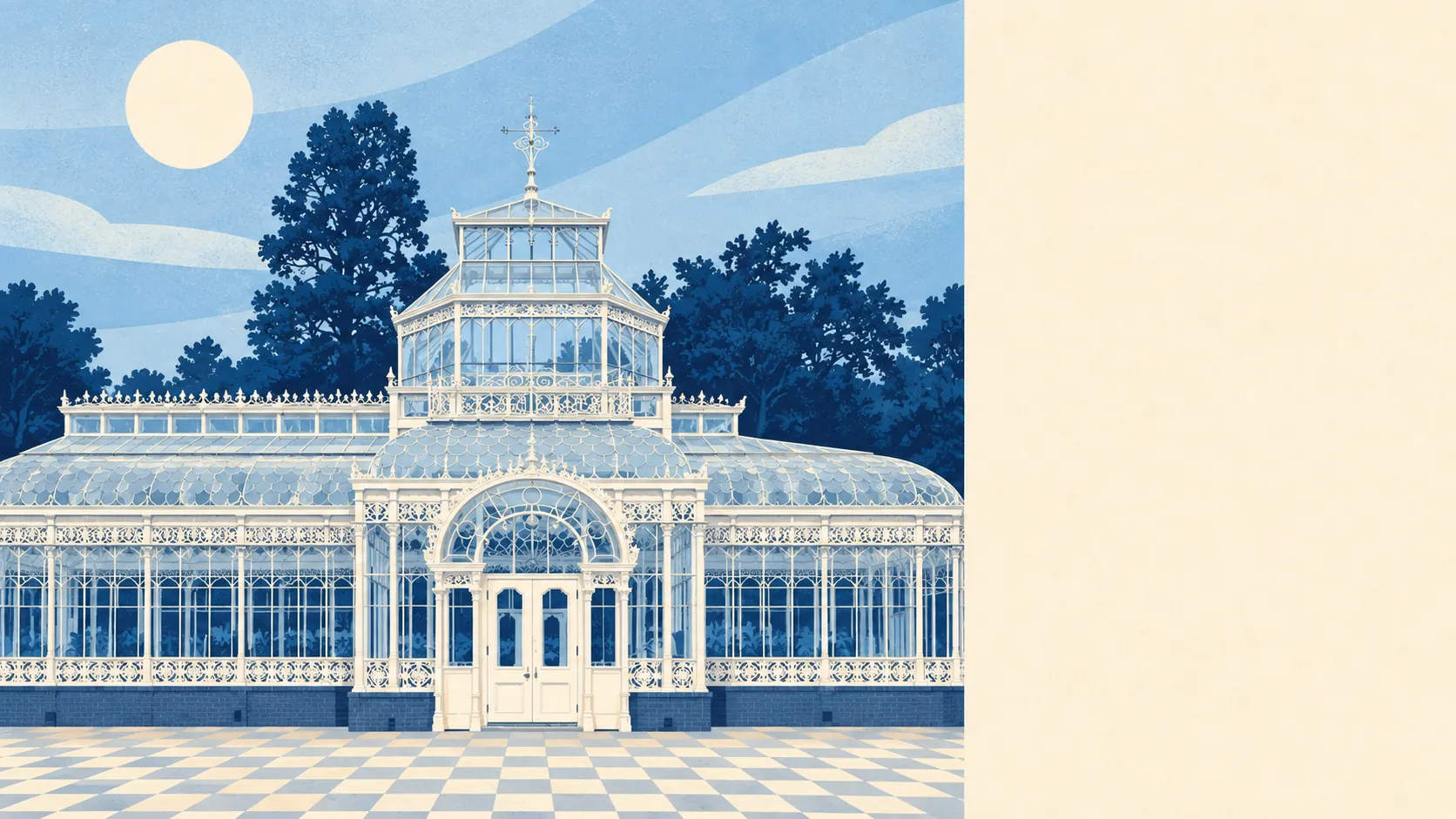
Historic England lists 79 buildings here, one at Grade II* and the rest at Grade II, and six appear on its Heritage at Risk register. There are two conservation areas, Honor Oak Rise and The Gardens. If you live in either, or in a listed building, changing windows, doors or anything visible from the street means asking the council first. The Horniman Museum is on that list. Frederick Horniman, a tea merchant, built it for his natural history collection and gave the building and its gardens to the public in 1901, and nobody has given anyone round here anything that useful since.
About 52% of households own their home and the typical resident is 36. The Office for National Statistics models gross household income across the area at about £81,000 a year, for the financial year to March 2023, before tax. Plenty of people earning that still rent, and on these prices it is easy to see why.
The green space is where Forest Hill wins outright. The average home is about 150 metres from green space, with around 34 green spaces within a kilometre, and water about 900 metres away. Horniman Gardens is on the hill, and Dacres Wood Nature Reserve hides off the side of it. Honor Oak takes its name from an oak on One Tree Hill that Elizabeth I is said to have picnicked under, and the parks have been doing the persuading ever since. Perry Vale, east of the station, gets the same short walk to grass.
The list of past residents is short and odd. Dietrich Bonhoeffer, the German theologian, briefly lived and preached here, Dame Doris Beale was born here in 1889, and Linda Barker, the home décor presenter, makes the list as well. Theology and soft furnishings between them cover most of what a Forest Hill flat needs.
Forest Hill is a better place to live than its price tags make it feel. A buyer gets a park on the doorstep, a station with two routes into town and crime well under the borough average. The cost comes in the house prices, where a family house costs the kind of money that makes people check the map for somewhere further out. For a flat buyer, a renter or anyone whose weekends revolve around grass and a museum garden, it is a strong choice. Anyone who wants a semi with a drive on an average salary should keep looking along the line.